Business payroll software revolutionizes the way companies handle employee compensation and related records. With its myriad features, it ensures accuracy and efficiency while saving valuable time for businesses both large and small. From automating tax calculations to effortlessly managing benefits, payroll software serves as an essential tool that streamlines payroll processes, allowing organizations to focus on their core activities.
In a world where financial accuracy is paramount, investing in reliable payroll software can drastically improve operational workflows. Various solutions exist in the market, each offering unique features tailored to meet the diverse needs of companies. Understanding these aspects is crucial for making an informed choice that aligns with your business goals.
Business Payroll Software Overview
Business payroll software is a specialized application designed to streamline the payroll process, making it efficient and accurate. It automates various payroll functions, including calculating employee wages, deducting taxes, and managing benefits. This software is essential for businesses of all sizes, ensuring compliance with tax regulations, improving data accuracy, and saving valuable time that can be redirected toward core business operations.The importance of payroll software cannot be understated, as it serves as a vital tool for both small and large businesses.
For small businesses, it provides an affordable solution to manage payroll without the need for a dedicated HR team, reducing the risk of costly errors. Larger organizations benefit from more advanced features that can handle complex payroll structures, multiple employee classifications, and various state or country regulations. This software not only enhances efficiency but also supports better employee satisfaction by facilitating timely and accurate salary payments.
Popular Payroll Software Solutions
There are numerous payroll software options available in the market, each offering unique features and pricing structures. This section highlights some of the most recognized solutions, providing insight into their capabilities.
- Gusto
Gusto is well-known for its user-friendly interface and all-in-one platform that includes payroll, benefits, and compliance management. It offers features like automated tax calculations and direct deposit options. Pricing starts at approximately $39 per month, plus $6 per employee.
- ADP
ADP is a long-standing leader in payroll solutions, catering to businesses of all sizes with customizable plans. Its features encompass payroll processing, tax filing, and HR management tools. Pricing is tailored based on the services selected, usually starting around $59 per month for basic services.
- Paychex
Paychex provides comprehensive payroll services and HR solutions, ideal for growing businesses. It includes features such as mobile access, automated payroll, and employee self-service options. Pricing typically starts at $60 per month, varying based on additional features.
- QuickBooks Payroll
Integrated with QuickBooks accounting software, QuickBooks Payroll offers seamless payroll management alongside financial tracking. It features automated payroll, tax calculations, and easy integration with accounting records. Pricing begins at $45 per month, plus an additional fee per employee.
- Zenefits
Zenefits combines payroll with benefits administration and HR tools, making it a go-to solution for small businesses. Its platform simplifies onboarding and compliance while providing payroll services. Monthly pricing starts around $10 per employee, making it a budget-friendly option.
Choosing the right payroll software can significantly impact your business’s efficiency and compliance. The right tool not only saves time but also minimizes errors, ultimately enhancing employee satisfaction.
Key Features of Payroll Software
Every business, regardless of its size, requires an efficient way to manage employee payments. Payroll software serves as a crucial tool to streamline these processes, ensuring accuracy and compliance. Understanding the key features of payroll software can help businesses optimize their payroll operations and enhance overall efficiency.A comprehensive payroll software solution encompasses several essential features that facilitate effective management of employee payments.
These features not only simplify payroll processing but also provide valuable insights for decision-making. The following points highlight the crucial aspects that every payroll software should include:
Essential Features of Payroll Software
A robust payroll system should offer an array of functionalities that cater to the diverse needs of businesses. The following features are fundamental for ensuring seamless payroll management:
- Automated Payroll Processing: Automation reduces the chances of human error and ensures timely payments to employees. This feature allows for scheduled payroll runs, minimizing manual input.
- Tax Compliance: Payroll software must include tools for calculating and withholding the correct amount of taxes. This feature ensures compliance with federal, state, and local tax regulations, reducing the risk of penalties.
- Employee Self-Service Portal: A self-service portal empowers employees to access their pay stubs, tax forms, and personal information. This feature increases transparency and reduces administrative workload.
- Time and Attendance Tracking: Integrating time-tracking functionalities streamlines the payroll process by automatically calculating hours worked based on attendance data, minimizing discrepancies.
- Direct Deposit Options: Payroll software should facilitate direct deposit options, allowing employees to receive payments directly into their bank accounts, which enhances convenience and security.
Reporting Capabilities
Reporting functionalities are vital for businesses to manage payroll data effectively. With the right reporting tools, companies can gain insights that drive strategic decision-making.
The ability to generate detailed reports on payroll expenditure, tax liabilities, and employee earnings allows businesses to make informed financial decisions.
Reports can be customized to track a variety of metrics, including labor costs, overtime hours, and employee contributions to retirement plans. Reports can also assist in auditing processes and strategic planning, enabling businesses to identify trends and allocate resources accordingly.
Examine how best hr software for startups can boost performance in your area.
Integration with Other Business Systems, Business payroll software
Integration possibilities with other business systems significantly enhance the capabilities of payroll software. Seamless integration with accounting software and HR management tools allows for a unified approach to managing financial and employee-related data.Integrating payroll software with accounting systems ensures that financial records are automatically updated whenever payroll changes occur. This reduces redundancy and improves accuracy in financial reporting. Similarly, linking payroll with HR management tools supports better workforce management by synchronizing employee data, such as benefits and performance metrics.
Effective integration allows for a comprehensive view of both payroll and personnel data, enhancing operational efficiency and strategic planning.
This interconnectedness fosters a more streamlined workflow, allowing businesses to focus on growth while maintaining compliance and accuracy in payroll management.
Benefits of Using Payroll Software

Implementing payroll software can significantly streamline the payroll process for businesses of all sizes. By moving away from traditional payroll methods, organizations can leverage automated systems to improve efficiency, accuracy, and overall employee satisfaction. This shift not only simplifies payroll management but also enhances compliance with tax regulations and labor laws.Payroll software offers numerous advantages over conventional payroll practices. One of the most notable benefits is the enhancement of accuracy and the reduction of errors in payroll processing.
Manual calculations are prone to human error, which can lead to incorrect paychecks and compliance issues. Payroll software automates calculations, ensuring that employees are paid accurately and promptly.
Accuracy and Reduction of Errors
The precision of payroll software is critical in minimizing mistakes that can arise during payroll processing. Automated systems conduct real-time calculations based on input data, which eliminates common errors that occur with manual entries. Key benefits include:
- Real-time updates: Changes in tax rates, employee information, or hours worked are updated instantly, ensuring all calculations reflect the latest data.
- Automated compliance: Payroll software automatically applies the latest regulations and tax laws, reducing the risk of non-compliance penalties.
- Audit trails: Detailed records and logs of payroll transactions help identify any discrepancies quickly and easily.
Time Savings and Reduction of Administrative Workloads
Using payroll software significantly cuts down the time spent on payroll-related tasks. Traditional payroll methods often require hours of manual data entry and calculation, which can be a drain on resources. The software allows for streamlined processes that enhance productivity within the HR department. Important points include:
- Automated reporting: Payroll software generates reports automatically, enabling HR managers to summarize payroll data without manual effort.
- Self-service portals: Employees can access their payroll information, such as payslips and tax documents, without assistance, freeing up HR staff to focus on other critical areas.
- Integration capabilities: Payroll systems can integrate with other business software (like accounting and HR management systems), further reducing administrative burdens and errors.
Utilizing payroll software allows businesses to allocate their time and resources more efficiently, ultimately leading to improved employee satisfaction and operational effectiveness.
Challenges of Implementing Payroll Software
Transitioning from manual payroll systems to automated software solutions can be a significant leap for many businesses. While the benefits of payroll software are extensive, the implementation process can present several challenges. Understanding these challenges is crucial for a smooth transition that minimizes disruption and maximizes efficiency.One of the primary challenges businesses face when implementing payroll software is data migration.
This process requires transferring existing employee data from manual systems to the new software. Inaccuracies can occur during this transfer, leading to payroll errors that can affect employee satisfaction and compliance with regulations. To overcome this challenge, organizations should conduct thorough audits of existing data before the migration to ensure accuracy and completeness.
Employee Training and Adaptation
Training employees to effectively use payroll software is vital for its successful implementation. Insufficient training can lead to mistakes, decreased productivity, and frustration among staff members. A well-structured training program should include hands-on demonstrations and resources that address common issues users might face.To facilitate effective training, businesses can consider the following strategies:
- Develop comprehensive training materials, including step-by-step guides and video tutorials, to support various learning styles.
- Organize workshops and Q&A sessions where employees can ask questions and receive immediate feedback from experts.
- Assign ‘super users’ within departments who can provide ongoing support and help troubleshoot issues as they arise.
“Investing in employee training ensures the successful adoption of payroll software and minimizes the risk of errors.”
Adapting to new software can also create resistance among employees who are accustomed to the manual systems. Clear communication about the benefits of the new software, coupled with a phased implementation approach, can help ease the transition. Providing employees with a platform to voice their concerns and suggestions fosters a sense of involvement, leading to greater acceptance of the change.In addition to employee training, businesses must prioritize ongoing support.
As software updates are released, continuous education ensures that employees remain proficient in using the system. Regular feedback sessions allow for the identification of any additional training needs, creating a culture of learning and adaptation that benefits the organization as a whole.
Cost Considerations in Payroll Software
Budgeting for payroll software involves understanding various factors that influence its cost. These considerations can significantly impact a business’s financial planning, especially for small to medium-sized enterprises. As payroll is a crucial component of business operations, thoughtful investment in software can lead to enhanced efficiency and accuracy.Several factors affect the overall cost of payroll software, including the size of the business, number of employees, required features, and the chosen pricing model.
It’s essential to consider these elements when estimating the budget for payroll solutions.
Factors Influencing the Cost of Payroll Software
Understanding the factors that can influence the cost of payroll software is crucial for effective budgeting. Businesses should evaluate:
- Business Size: The number of employees can dictate pricing, as many software solutions charge per employee or tier based on employee count.
- Feature Set: More advanced features, such as benefits management or time tracking, often come with higher costs. Choosing a solution that aligns with specific business needs can help control expenses.
- Integration Needs: If the software needs to integrate with existing systems (like accounting software), additional costs may arise during setup and ongoing maintenance.
- Customer Support: Some software packages include premium support options, which can add to the overall price but can be worthwhile for troubleshooting and assistance.
Comparing Pricing Models of Payroll Software
Businesses can choose between different pricing models for payroll software, primarily subscriptions and one-time purchases. Each has its advantages and drawbacks:
- Subscription-Based Pricing: Typically charged monthly or annually, this model spreads costs over time and often includes regular updates and support. Ideal for businesses that prefer predictable cash flow.
- One-Time Purchase: A larger upfront investment, this option provides permanent access to the software but may require additional costs for updates and support in the long run. It can be a suitable choice for companies that prefer to avoid ongoing fees.
Long-Term Financial Benefits of Payroll Software
Investing in payroll software can yield significant long-term financial benefits. The potential savings from reduced payroll errors far outweigh the initial costs:
- Avoiding Penalties: Payroll mistakes can lead to costly penalties from tax authorities. A reliable payroll system minimizes the risk of errors, saving businesses from these unnecessary expenses.
- Increased Efficiency: Automating payroll processes frees up time for HR staff to focus on strategic initiatives, thereby increasing productivity and allowing for growth opportunities.
- Accurate Reporting: Enhanced reporting capabilities enable better financial planning and forecasting, contributing to more informed business decisions and improved cash flow management.
Investing in payroll software not only streamlines operations but also safeguards against potential losses associated with human error.
Future Trends in Payroll Software
As businesses evolve in the digital age, payroll software is experiencing significant transformations driven by technological advancements and regulatory changes. The future of payroll is set to be more automated, intelligent, and compliant with evolving regulations, making it essential for businesses to stay informed about these trends.One of the most notable trends in payroll technology is the increasing use of automation and artificial intelligence (AI).
Automation streamlines payroll processes, significantly reducing manual tasks and minimizing errors. AI integration allows for predictive analytics, enabling businesses to forecast payroll expenses accurately and make more informed financial decisions. Moreover, AI can enhance employee experience by providing self-service options, where employees can access their payroll information, request time off, and manage benefits seamlessly.
Impact of Regulatory Changes on Payroll Software
Regulatory changes play a critical role in shaping payroll software systems. As governments worldwide implement new labor laws and tax regulations, payroll software must adapt to ensure compliance. The following points highlight how these changes influence payroll software:
- Real-time compliance updates: Payroll software must integrate mechanisms to automatically update in response to regulatory changes, ensuring that businesses are always compliant.
- Enhanced reporting features: Software will need to provide advanced reporting capabilities to meet new compliance requirements, particularly in data collection and transparency.
- Multi-country support: As globalization increases, payroll software will evolve to handle complex multi-country regulations, including different tax laws and labor standards.
- Data security and privacy: With stricter privacy laws such as GDPR, payroll software must prioritize data protection and secure employee information.
Predictions for the Evolution of Payroll Software
As the landscape of work continues to change, payroll software is predicted to evolve in several key areas. Businesses will increasingly demand more from their payroll solutions, leading to innovations that enhance functionality and user experience. Notable predictions include:
- Integration with HR systems: Payroll software will more frequently integrate with human resource management systems (HRMS) to provide a comprehensive view of employee lifecycle management.
- Mobile accessibility: The demand for mobile-friendly interfaces will grow, allowing employees and managers to access payroll information on the go.
- Enhanced analytics capabilities: Future payroll systems will leverage big data analytics to provide insights into employee performance and payroll trends, supporting better strategic decisions.
- Greater focus on employee engagement: Payroll software will evolve to include features that enhance employee engagement, such as personalized compensation reports and benefits management.
Choosing the Right Payroll Software for Your Business
Selecting the right payroll software is a critical decision for any business. It can significantly impact efficiency, employee satisfaction, and compliance with regulations. The right software automates processes, reduces errors, and saves time, making the selection process an important step for any organization.A structured approach to evaluating payroll software can guide businesses in making informed choices. This involves understanding specific needs, researching options, and considering various essential criteria before settling on a solution.
Here is a process that businesses can follow to find the payroll software that best suits their requirements.
Evaluation Criteria for Payroll Software
Identifying the key criteria is vital for making a sound decision. Here are several important factors to consider:
- Scalability: The software should grow with your business, accommodating an increase in employees or complexity as your company expands.
- User-Friendliness: An intuitive interface reduces training time and enhances user experience, making it easier for staff to operate the system.
- Compliance Features: Ensure the software is up-to-date with tax laws and labor regulations to avoid costly penalties.
- Integration Capabilities: Look for software that can easily integrate with existing systems, such as accounting software or HR platforms.
- Reporting and Analytics: Robust reporting features allow for better data-driven decision-making, providing insights into payroll-related expenditures.
- Customer Support: Reliable customer service is essential for resolving issues quickly and efficiently, ensuring minimal disruption to payroll operations.
Testing Payroll Software Before Commitment
Before making a final decision, testing payroll software is crucial for ensuring it meets your needs. Here are some tips on how to effectively evaluate a potential solution:
Free Trials and Demos
Obtain direct knowledge about the efficiency of hr management software for small business through case studies.
Many payroll software providers offer free trials or demo versions. Take advantage of these to explore the functionalities and interface.
For descriptions on additional topics like hr software for small companies, please visit the available hr software for small companies.
Simulate Payroll Processes
Use sample data to run payroll through the system to see how it handles various scenarios, including bonuses, overtime, and deductions.
Involve Key Stakeholders
Engage employees who will be using the software to gather their feedback on usability and interface, ensuring it meets their needs.
Assess Customization Options
Evaluate how easily the software can be customized to fit your company’s unique payroll processes or requirements.
Seek Reviews and Recommendations
Research online reviews, ask for references, and consult industry peers for their experiences with the software to gain additional insights.By following these structured steps and focusing on essential criteria, businesses can confidently select payroll software that not only meets their current needs but also supports future growth and efficiency.
Real-World Case Studies of Payroll Software Implementation: Business Payroll Software
Implementing payroll software can significantly transform how businesses manage their payroll processes. Various companies have effectively utilized payroll solutions to streamline operations and enhance efficiency. Examining these real-world success stories provides valuable insights into the challenges faced and the outcomes achieved through software implementation.
Case Study: Tech Innovations Inc.
Tech Innovations Inc., a medium-sized software development company, encountered numerous challenges with their manual payroll system, including errors in calculations, delayed payments, and compliance issues. To address these challenges, they implemented a robust payroll software solution.The specific hurdles they faced included:
- High error rates in payroll calculations leading to employee dissatisfaction.
- Time-consuming payroll processing that diverted resources from core business functions.
- Difficulty in staying compliant with changing tax regulations.
By adopting payroll software, Tech Innovations Inc. saw remarkable improvements, such as:
- A 75% reduction in payroll errors, leading to higher employee trust and morale.
- Payroll processing time cut from several days to just a few hours, allowing HR to focus on strategic initiatives.
- Streamlined compliance management, ensuring adherence to tax laws with automated updates.
Case Study: Green Fields Agriculture
Green Fields Agriculture, a large agricultural enterprise, struggled with managing payroll for a seasonal workforce. Their traditional methods were cumbersome and inefficient, causing delays in employee compensation.The main challenges included:
- Difficulty managing fluctuating employee numbers during peak seasons.
- Confusion surrounding benefits and overtime calculations.
- Lack of real-time data to support decision-making.
After implementing a tailored payroll software solution, Green Fields experienced significant benefits:
- Enhanced accuracy in managing payroll for seasonal workers with automated calculations.
- Improved employee satisfaction through timely and precise payments.
- Access to real-time data analytics, enabling better workforce planning and budgeting.
Case Study: Retail Wonders
Retail Wonders, a chain of retail stores, faced difficulties in payroll processing due to the diverse range of employment types, including part-time and full-time workers. Their outdated payroll system was unable to accommodate the complex calculations required.The challenges they encountered were:
- Inconsistent payroll processing across different store locations.
- Challenges in tracking employee hours and overtime.
- Complications in handling payroll deductions and benefits.
With the implementation of advanced payroll software, Retail Wonders achieved significant outcomes:
- Standardized payroll processes across all locations, ensuring consistency.
- Improved tracking of employee hours, leading to better labor cost management.
- Simplified management of deductions, which increased compliance and reduced errors.
These case studies illustrate how modern payroll software can address specific business challenges, enhance operational efficiency, and provide measurable improvements in employee satisfaction and compliance.
Conclusive Thoughts
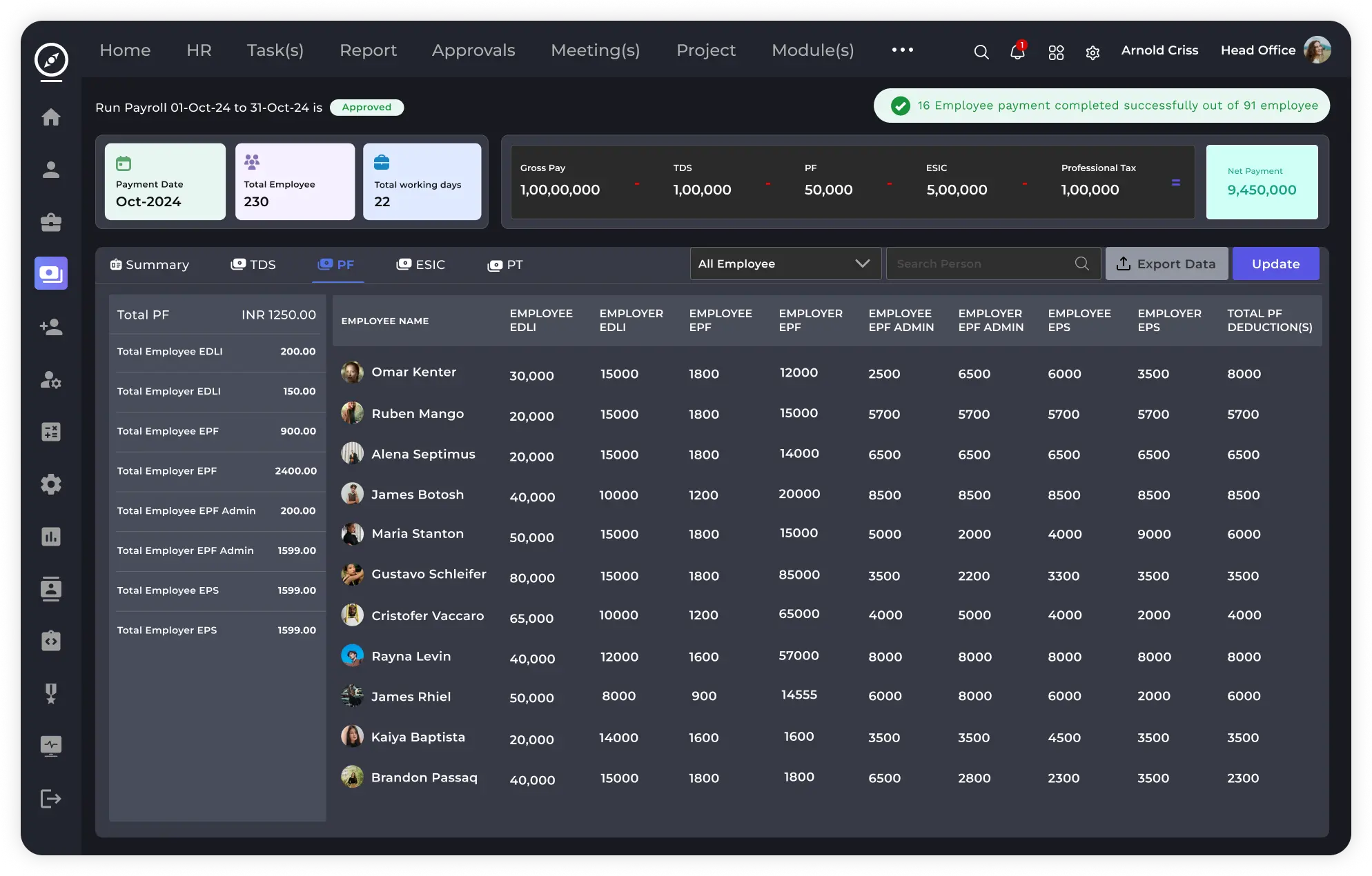
In summary, adopting business payroll software not only enhances payroll accuracy but also significantly reduces the administrative burden on HR teams. As we move toward an increasingly digital future, staying ahead with technologically advanced payroll solutions is essential for fostering organizational growth and employee satisfaction. Embracing these tools can lead to measurable improvements, making it a worthy investment for any business.
Helpful Answers
What is payroll software?
Payroll software is a digital tool that automates the process of calculating and distributing employee wages, tax deductions, and benefits.
Who can benefit from payroll software?
Both small and large businesses can benefit, as it streamlines payroll processes, reduces errors, and saves time.
Is payroll software expensive?
Costs vary depending on features and pricing models, including subscriptions or one-time purchases. It’s important to assess your business needs before investing.
How does payroll software improve accuracy?
By automating calculations and keeping up with tax regulations, payroll software minimizes human error and ensures compliance.
Can payroll software integrate with other systems?
Yes, many payroll software solutions offer integration capabilities with accounting software and HR management tools to enhance overall efficiency.