Best employee engagement software sets the stage for this enthralling narrative, offering readers a glimpse into the vital role such tools play in enhancing workplace culture and productivity. In today’s fast-paced work environment, investing in effective employee engagement solutions is no longer optional but essential for organizations aiming to thrive. With the right software, companies can significantly boost morale, foster collaboration, and ultimately drive success.
From enabling real-time feedback to providing insightful analytics, engagement software not only streamlines communication but also empowers employees to be more involved in their work. As we explore various aspects of these tools, including key features and future trends, it’s clear that the right choice can make a significant difference in cultivating a positive work environment.
Exploring the Importance of Employee Engagement Software in Modern Workplaces
In today’s fast-paced corporate environment, fostering a thriving workplace culture has never been more crucial. Employee engagement software serves as a cornerstone for organizations seeking to enhance not only employee morale but also overall productivity. These tools provide a platform for feedback, recognition, and communication, making them indispensable for modern businesses aiming to build strong, engaged teams.Investing in employee engagement tools can lead to a multitude of advantages for organizations.
These platforms are not merely technological add-ons; they are strategic assets that can transform company culture, drive performance, and improve retention rates. By leveraging these tools, companies can facilitate open lines of communication, encourage collaboration, and create an environment where employees feel valued and motivated to contribute their best work.
Impact of Employee Engagement on Productivity
The relationship between employee engagement and productivity is well documented, with several statistics underscoring its significance. Engaged employees are not just more satisfied; they are also more productive, which directly impacts a company’s bottom line. For instance, a study by Gallup found that organizations with high employee engagement levels experience 21% greater profitability than their less engaged counterparts. This correlation emphasizes the importance of investing in tools that foster engagement.Furthermore, organizations with engaged employees report lower turnover rates.
According to research by the Society for Human Resource Management (SHRM), companies with high levels of employee engagement see a 65% reduction in employee turnover. This highlights that employee engagement software can play a pivotal role in retaining talent, ultimately saving costs related to hiring and training new staff.In addition to enhancing retention and productivity, employee engagement software also contributes to stronger teamwork and collaboration.
By providing platforms for recognition and feedback, these tools help cultivate a culture of appreciation and support. When employees feel acknowledged for their contributions, it boosts their morale and encourages a more collaborative atmosphere.
“Engaged employees are not just more satisfied; they are also more productive, which directly impacts a company’s bottom line.”
The implementation of employee engagement software can lead to measurable improvements across multiple dimensions of the workplace. Companies that prioritize employee engagement through technology are not only investing in their workforce but are also setting the stage for long-term success in a competitive landscape.
Key Features to Look for in Top Employee Engagement Software
In today’s fast-paced work environment, employee engagement software plays a critical role in fostering a motivated and productive workforce. The right software can help organizations enhance communication, gather feedback, and boost team morale. However, not all engagement tools are created equal. Identifying the essential features that make engagement software effective is crucial for ensuring it meets the needs of both employees and management.The effectiveness of employee engagement software largely depends on its user-friendliness and functionality.
A software solution that is intuitive and easy to navigate encourages higher adoption rates among employees. If the interface is complicated or overwhelming, employees may shy away from using it, negating its purpose. A seamless user experience ensures that employees can quickly access the features they need, leading to consistent engagement and feedback.
User-Friendly Interfaces and Software Adoption, Best employee engagement software
A user-friendly interface is paramount in driving software adoption in the workplace. When employees find the software easy to use, they are more likely to engage with it regularly. Here are key attributes that contribute to a positive user experience:
- Intuitive Navigation: A well-structured layout allows users to easily find what they need without extensive training.
- Mobile Compatibility: Accessibility on mobile devices ensures that employees can engage with the software anytime and anywhere, accommodating their varied work styles.
- Customizable Dashboards: Personalized dashboards let employees prioritize the information most relevant to their roles, enhancing their experience.
- Clear Visuals and Reports: Easy-to-understand graphics and reporting tools help users quickly evaluate engagement levels and feedback.
Real-Time Feedback Mechanisms Versus Traditional Survey Methods
The advent of real-time feedback mechanisms marks a significant shift in how organizations gather insights from their employees. Unlike traditional survey methods, which often involve lengthy questionnaires conducted on an infrequent basis, real-time feedback allows for ongoing dialogue between employees and management. The benefits of this approach are numerous:
- Immediate Insights: Real-time feedback provides instant insights into employee sentiments, enabling timely responses to issues as they arise.
- Increased Engagement: Continuous feedback encourages a culture of openness and dialogue, leading to higher employee participation and engagement levels.
- Actionable Data: The immediacy of feedback means that data can be acted upon quickly, driving adjustments to policies or practices before they become larger problems.
- Frequent Interactions: Regular check-ins foster relationships between employees and managers, strengthening workplace connections and collaboration.
In conclusion, understanding and leveraging the essential features of employee engagement software—such as user-friendly interfaces and real-time feedback mechanisms—can significantly enhance employee morale and productivity. By prioritizing these aspects, organizations position themselves to create a more engaged and motivated workforce.
Evaluating the Best Employee Engagement Software Options Available
In today’s competitive business landscape, selecting the right employee engagement software is crucial for fostering a motivated and productive workforce. With numerous options available, it can be overwhelming for organizations to identify which software aligns best with their specific needs. This section will provide a comparative analysis of leading employee engagement software providers, alongside insights on pricing structures and user feedback to aid in making an informed decision.
Comparative Analysis of Leading Software Providers
When evaluating employee engagement software, it is essential to consider the unique features and functionalities that different providers offer. Here are some of the top contenders and what sets them apart:
- OfficeVibe: OfficeVibe focuses on continuous feedback and pulse surveys, enabling real-time insights into employee sentiment. Its intuitive platform fosters open communication and engagement, making it suitable for companies looking to enhance workplace culture.
- 15Five: Renowned for its performance management features, 15Five integrates employee engagement with goal tracking and performance reviews. This dual approach encourages employees to develop professionally while feeling valued.
- Tinypulse: Tinypulse excels in gathering anonymous feedback through its easy-to-use interface. It helps organizations identify areas for improvement and recognize employee achievements, fostering a culture of appreciation and transparency.
- EngageRocket: This software offers predictive analytics to assess employee engagement levels and provide actionable insights. It is ideal for data-driven companies looking to leverage engagement metrics to improve retention and productivity.
- Culture Amp: Culture Amp stands out for its comprehensive engagement surveys and benchmarking capabilities. It allows organizations to compare their engagement levels against industry standards, making it perfect for businesses focused on continuous improvement.
Pricing Structures and Investment Expectations
Understanding the pricing models can help businesses determine which software fits their budget while meeting their engagement goals. Here’s a breakdown of common pricing structures you can expect:
- Subscription-based pricing: Most employee engagement software providers charge a monthly or annual subscription fee, often based on the number of users. For example, OfficeVibe offers plans ranging from $5 to $10 per user per month, depending on the features selected.
- Tiered pricing plans: Some software providers offer several tiers of service, with each level providing different features. For instance, 15Five has a basic plan that caters to small teams and a premium plan that includes advanced performance management tools.
- Freemium models: A few platforms, like Tinypulse, provide basic functionality for free, allowing organizations to test the software before committing to paid plans for additional features.
- One-time fees: EngageRocket may charge a one-time implementation fee, covering setup and training, in addition to ongoing subscription costs.
User Reviews and Testimonials on Software Effectiveness
User reviews and testimonials can provide valuable insights into the effectiveness of various employee engagement software solutions. By analyzing feedback, organizations can gauge the real-world impact of these tools. Here are some common themes identified in user reviews:
- Ease of use: Many users appreciate platforms that offer intuitive interfaces, as they encourage higher adoption rates among employees. For example, Culture Amp users often highlight its user-friendly design, which simplifies the survey process.
- Customer support: The quality of customer support can significantly influence user satisfaction. Users of 15Five commend its responsive support team, which assists with troubleshooting and feature inquiries.
- Impact on engagement: Numerous testimonials cite noticeable improvements in team collaboration and morale after implementing engagement tools. OfficeVibe users report enhanced communication and a more open workplace culture.
- Data-driven insights: Users of EngageRocket frequently mention the value of predictive analytics in shaping their engagement strategies, enabling more data-informed decision-making.
The Role of Analytics in Employee Engagement Software
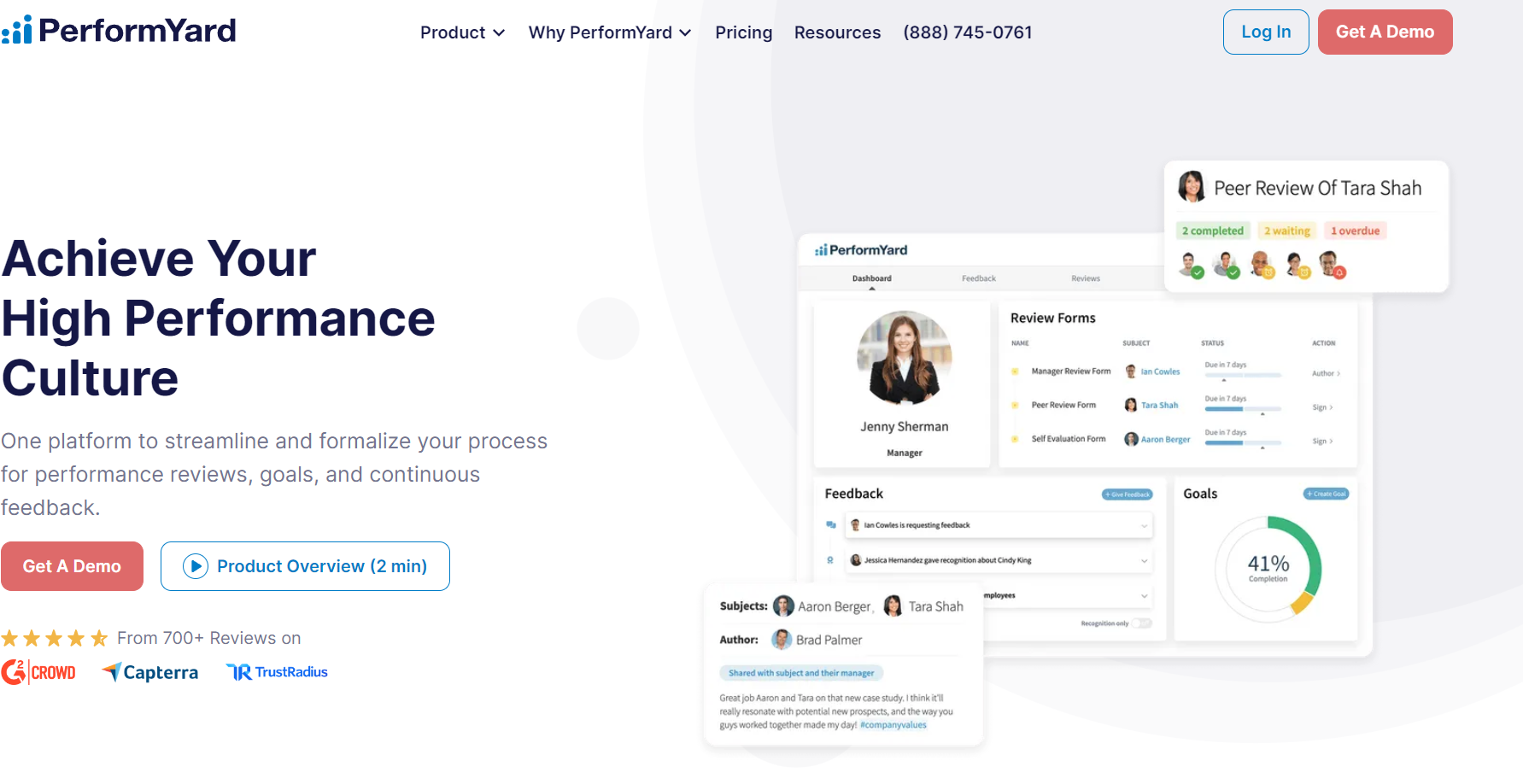
In the fast-paced modern workplace, harnessing the power of data analytics is essential for shaping effective employee engagement strategies. Analytics not only provides insight into organizational health but also drives informed decision-making, ultimately fostering a more engaged workforce. By leveraging data, businesses can pinpoint areas for improvement, enhance employee experiences, and align their strategies with employee needs.Data analytics plays a pivotal role in transforming raw information into actionable insights that inform decisions regarding employee engagement.
By analyzing trends and patterns in employee behavior and satisfaction, organizations can tailor their approaches to meet the evolving needs of their teams. For example, tracking participation in engagement surveys over time can reveal how engagement levels fluctuate, leading to targeted interventions.
Measuring Employee Sentiment through Software Tools
Understanding employee sentiment is crucial for cultivating a positive workplace culture. Employee engagement software often includes features that facilitate the measurement of sentiment through real-time feedback mechanisms, pulse surveys, and sentiment analysis tools. These tools enable organizations to capture employee feelings, opinions, and attitudes, providing a comprehensive view of overall morale.The importance of measuring employee sentiment can be highlighted through the following aspects:
- Proactive Issue Identification: Continuous sentiment analysis helps identify potential challenges before they escalate, allowing management to address concerns proactively.
- Informed Strategic Planning: Understanding the current sentiment enables leaders to make informed decisions that align with employee preferences and experiences.
- Enhanced Communication: Tools that measure sentiment can foster open communication channels where employees feel heard, leading to increased trust and transparency.
Interpreting Engagement Data to Improve Workplace Strategies
Interpreting engagement data effectively is essential for refining workplace strategies. Engagement analytics offers valuable insights into various factors influencing employee satisfaction and productivity. By analyzing this data, organizations can develop targeted strategies to enhance engagement, leading to improved retention rates and overall performance.To interpret engagement data effectively, organizations can employ several methods:
- Benchmarking Against Industry Standards: Comparing engagement metrics against industry benchmarks helps organizations understand their standing and areas for improvement.
- Segmentation Analysis: Breaking down engagement data by demographics or departments allows for a more granular understanding of specific groups’ needs and preferences.
- Trend Analysis: Monitoring engagement over time can reveal patterns, helping organizations identify successful strategies and areas needing attention.
Incorporating analytics into employee engagement software provides organizations with the tools needed to create a responsive and dynamic workplace. By focusing on data-driven decision-making and continuously measuring employee sentiment, companies can improve their engagement strategies and cultivate a thriving work environment.
Integrating Employee Engagement Software with Existing HR Systems
Integrating employee engagement software with existing HR systems is essential for ensuring that the transition is smooth and that all aspects of employee management work harmoniously. This process not only enhances the employee experience but also leverages existing data, making it easier to understand employee behaviors and sentiments. A well-integrated system can lead to improved communication, engagement, and retention rates.To ensure a seamless integration with current HR technology, organizations should follow a structured approach.
This involves thorough planning, understanding the technical requirements, and ensuring that all stakeholders are involved throughout the process. Below are key steps that can facilitate a successful integration:
Steps for Seamless Integration
The integration of employee engagement software into existing HR systems can be complex; however, following these steps can help streamline the process:
- Conduct a Needs Assessment: Identify the specific features and capabilities your organization requires from the employee engagement software. This assessment should align with existing HR processes to ensure compatibility.
- Choose Compatible Software: Select software that is designed to integrate with your current HR systems. Look for platforms that offer API support and have a history of successful integrations.
- Establish Clear Objectives: Define what you aim to achieve through the integration. Clear objectives help in measuring success and guide the implementation process.
- Involve Stakeholders: Engage HR staff, IT teams, and employee representatives early in the integration process. Their input will provide valuable insights and foster buy-in across the organization.
- Plan for Data Migration: Data transfer from existing systems should be meticulously planned. Ensure data accuracy and integrity during the migration to avoid potential disruptions.
- Test the Integration: Pilot the integration with a small group before full deployment. This allows for troubleshooting and adjustments based on real-user feedback.
- Provide Training: Ensure that all employees are trained on how to use the new software effectively. A well-informed workforce will utilize the features better and enhance engagement.
- Monitor and Optimize: After implementation, continuously monitor the software’s performance and gather user feedback to make necessary adjustments. Regular updates and optimizations can improve the system’s efficacy over time.
Challenges and Solutions in Integration
Despite careful planning, several challenges may arise during the integration of employee engagement software with existing HR systems. Understanding these challenges can help organizations proactively address them.
Browse the multiple elements of hris small business to gain a more broad understanding.
- Data Compatibility Issues: Different systems may store data in varied formats, leading to compatibility challenges. To overcome this, investing in data cleansing and transformation tools can facilitate smoother data migration.
- Resistance to Change: Employees may be resistant to adopting new technologies. To mitigate this, provide comprehensive training and demonstrate the benefits of the new software to encourage enthusiasm and acceptance.
- Technical Glitches: Integration may result in unforeseen technical errors. Having a dedicated IT support team ready to tackle these issues can minimize downtime and maintain productivity.
- Budget Constraints: Integrating new software can incur costs that exceed budgets. Careful financial planning and phased implementation can help manage expenses effectively.
Successful Integration Case Studies
Several organizations have successfully integrated employee engagement software with their HR systems, showcasing effective strategies and outcomes.
- XYZ Corporation: After integrating their employee engagement platform with their HRIS, XYZ Corporation improved their employee satisfaction scores by 30% within six months. They achieved this by utilizing analytics from the engagement tool to target specific areas for improvement.
- ABC Inc: In the retail sector, ABC Inc integrated their engagement software with their payroll system, allowing for seamless communication regarding employee rewards and recognition. This integration resulted in a 20% decrease in turnover rates over one year.
- DEF Tech: DEF Tech, a technology firm, integrated their employee engagement software with their Learning Management System (LMS). This enhanced the onboarding process for new hires, leading to a 40% increase in engagement scores among new employees within their first month.
Best Practices for Implementing Employee Engagement Software
Implementing employee engagement software is more than just a technical task; it’s about fostering a culture of communication, collaboration, and connection across your organization. A successful rollout can transform how your team interacts, boosting morale and productivity. By adhering to best practices, you can ensure a smooth transition and maximize the benefits of your new system.A careful approach to launching employee engagement initiatives involves several essential steps.
Below is a structured guide to help you navigate this process effectively.
Step-by-Step Guide to Launching Employee Engagement Initiatives
A well-planned launch can set the foundation for successful engagement software adoption. Here’s a step-by-step guide:
- Assess Needs: Begin by evaluating your organization’s specific engagement needs. Consider employee surveys or focus groups to identify areas requiring improvement.
- Select the Right Software: Choose software that aligns with your identified needs, ensuring it includes essential features like feedback tools, recognition capabilities, and reporting analytics.
- Develop an Implementation Plan: Create a detailed rollout plan that includes timelines, responsibilities, and key milestones.
- Involve Leadership: Engage management and team leaders early in the process to garner support and champion the initiative.
- Communicate Clearly: Inform all employees about the new software, explaining its purpose and the benefits it brings to their work experience.
- Launch with Training: Provide comprehensive training sessions tailored to different user levels, ensuring employees feel confident using the platform.
- Gather Feedback: After the launch, collect feedback to identify any issues or additional training needs, allowing for quick adjustments.
Promoting Software Use Among Employees and Management
Encouraging active participation in the use of employee engagement software is crucial for its success. Here are some effective strategies:To foster a culture of engagement and ensure sustained use of the software, consider the following tips:
- Create Incentives: Develop recognition programs that reward employees who actively engage with the software, such as participating in surveys or giving feedback.
- Highlight Success Stories: Share real examples of how the software has positively impacted teams or individual employees to motivate others.
- Regular Check-ins: Schedule periodic meetings to discuss engagement insights and updates, encouraging open dialogue and adjustments as necessary.
- Promote Ease of Use: Highlight user-friendly features and shortcuts to reduce any resistance stemming from the learning curve.
Importance of Continuous Training and Support After Implementation
Ongoing training and support are vital for maximizing the potential of your engagement software. As the workplace evolves, so too do the needs of your employees and the capabilities of the software.Implementing a continuous training program ensures that employees can adapt to new features and updates effectively. Here’s why this is important:
“Continuous training fosters a culture of learning, encouraging employees to explore the full capabilities of the engagement software.”
Here are some best practices for ongoing support:
- Regular Refresher Courses: Offer regular training sessions that cover new features and best practices to keep everyone updated.
- Create a Resource Hub: Develop an online repository of tutorials, FAQs, and guides that employees can access anytime they have questions.
- Encourage Peer Support: Foster an environment where employees can help each other with the software, creating champions within teams who can assist their colleagues.
Future Trends in Employee Engagement Software: Best Employee Engagement Software
The landscape of employee engagement software is rapidly evolving, influenced by advancements in technology and changing workplace dynamics. As organizations strive to create more inclusive and motivating environments, understanding emerging trends becomes essential. This discussion highlights the key innovations shaping the future of these tools, from AI integration to remote engagement strategies.
Emerging Technologies Shaping Employee Engagement Tools
The integration of advanced technologies is revolutionizing how employee engagement software operates. Notably, AI and machine learning are at the forefront of this transformation. By automating processes and providing deeper insights, these technologies enhance the employee experience. For instance, AI algorithms can analyze employee feedback in real time, allowing organizations to respond promptly to concerns and suggestions. Another significant trend is the use of virtual and augmented reality (VR/AR) in training and engagement activities.
These immersive technologies create interactive environments for employees, fostering collaboration and engagement in ways traditional methods cannot. For example, companies like Accenture are utilizing VR for training simulations, enabling employees to experience real-life scenarios without the associated risks.
Influence of AI and Machine Learning on Employee Feedback Systems
AI and machine learning are reshaping feedback mechanisms, making them more effective and personalized. Through sentiment analysis, these technologies scan employee feedback in various forms, including surveys, chats, and emails, to gauge overall morale and engagement. This leads to actionable insights, helping HR teams address issues before they escalate.Additionally, predictive analytics powered by AI can identify potential disengagement before it occurs.
Find out further about the benefits of hr system for small business that can provide significant benefits.
For instance, if a pattern emerges indicating a decline in employee satisfaction, organizations can proactively implement strategies to improve engagement rather than reacting after the fact. This shift from reactive to proactive management can significantly enhance workplace culture and retention rates.
Evolving Remote Engagement Strategies within Software Solutions
The rise of remote work has prompted a reevaluation of engagement strategies, particularly within employee engagement software. Organizations are focusing on features that cater to distributed teams, ensuring that remote employees feel connected and valued. Tools such as virtual team-building activities and real-time collaboration platforms support a sense of belonging among remote workers.Moreover, hybrid work models are encouraging the integration of flexibility within engagement software.
Companies are now looking for solutions that facilitate personalized experiences based on individual preferences, work styles, and locations. For example, platforms like Microsoft Teams and Slack are enhancing their functionalities to support asynchronous communication, allowing employees to engage on their terms.In summary, the future of employee engagement software lies in harnessing the power of emerging technologies. By embracing AI, machine learning, and innovative engagement strategies, organizations can foster a more connected and motivated workforce in both traditional and remote settings.
Real-World Case Studies of Successful Employee Engagement Software Usage
Employee engagement software has transformed the way organizations connect with their workforce, leading to significant improvements in morale, productivity, and retention. By leveraging these tools, companies have been able to foster a culture of openness and inclusion, ultimately enhancing overall job satisfaction.One notable example is Google, which has utilized its own employee engagement platform, Google Forms, to regularly gather feedback from its employees.
The company encourages open communication through pulse surveys that assess job satisfaction and provide insights into employee sentiments. By acting on feedback, Google has managed to maintain high engagement levels, which are reflected in its consistently low turnover rates and high employee satisfaction scores.
Company Examples Demonstrating Effective Software Use
Several organizations have successfully implemented employee engagement software, showcasing specific strategies that have maximized its effectiveness. Here are a few noteworthy cases:
- Zappos: Known for its unique culture, Zappos uses a combination of engagement tools to enhance employee experience. They implemented a peer recognition program through their software, which allows employees to celebrate each other’s successes. This initiative has led to a 30% increase in employee morale, reinforcing the importance of recognition in the workplace.
- Salesforce: This company utilizes its own platform, Salesforce Chatter, to promote collaboration among teams. By integrating social features into their work environment, employees feel more connected and engaged. As a result, Salesforce reported a 25% increase in employee productivity, driven by improved communication and teamwork.
- Microsoft: Microsoft adopted the use of Microsoft Teams to enhance internal communications. They emphasized team-building activities and regular feedback loops through this software, which led to a 40% improvement in employee engagement metrics. Regular engagement surveys helped the company tailor its initiatives better to the needs of its workforce.
These companies not only adopted engagement software but also tailored their strategies to foster a culture that values employee input and collaboration.
Investigate the pros of accepting hr management systems for small business in your business strategies.
Quantifiable Results Achieved
The impact of using employee engagement software is evidenced by measurable outcomes that companies have reported. Here are some significant results observed across various organizations:
- Increased Retention Rates: Companies like LinkedIn saw a 50% reduction in employee turnover after implementing targeted engagement software, which allowed for anonymous feedback and improved employee relations.
- Boosted Productivity: Organizations such as Adobe reported a 30% increase in employee productivity after using engagement tools that facilitated regular performance feedback, enabling staff to better understand their contributions.
- Enhanced Job Satisfaction: A survey conducted by Gallup showed that firms using robust engagement platforms witnessed a 12% increase in overall employee satisfaction scores, reinforcing the correlation between engagement tools and job happiness.
Through these case studies, it becomes clear that the successful implementation of employee engagement software can lead to tangible benefits, driving both individual and organizational success.
Closing Summary
In conclusion, selecting the best employee engagement software is crucial for organizations aiming to enhance their workplace culture and boost overall productivity. By understanding key features, evaluating options, and keeping an eye on future trends, businesses can successfully implement tools that not only engage employees but also drive performance. As we move forward in a world increasingly driven by technology, the right engagement software can be the key to unlocking a motivated and productive workforce.
Commonly Asked Questions
What is employee engagement software?
Employee engagement software is a tool that helps organizations monitor, manage, and improve employee engagement and satisfaction within the workplace.
How does employee engagement software improve productivity?
By facilitating communication, providing real-time feedback, and offering insights into employee sentiment, engagement software helps increase morale and productivity.
What features should I look for in employee engagement software?
Key features include user-friendly interfaces, real-time feedback mechanisms, analytics capabilities, integration options with existing systems, and robust reporting tools.
Is it necessary to train employees on using engagement software?
Yes, training ensures that employees are comfortable and proficient in using the software, which can enhance its effectiveness and adoption rates.
Can small businesses benefit from employee engagement software?
Absolutely, small businesses can greatly benefit as these tools help foster a positive work environment and improve retention, which is crucial for growth.