With hr management software for small business at the forefront, small business owners can finally simplify their HR processes and focus on what truly matters: growth and employee satisfaction. In today’s fast-paced world, managing human resources can be a daunting task, especially for small enterprises. This software not only streamlines various HR functions but also enhances employee engagement, making it an essential tool for operational success.
The implementation of HR management software can significantly improve efficiency by automating time-consuming tasks such as payroll processing, recruitment, and employee onboarding. By addressing common HR challenges faced by small businesses, such as limited resources and high turnover rates, this software presents a valuable solution that can save time and reduce errors. Not only does it foster a more organized environment, but it also empowers employees through self-service options, leading to higher job satisfaction.
The Importance of HR Management Software for Small Businesses

The implementation of HR management software is a game changer for small businesses. These systems streamline various HR processes, making it easier for small business owners to manage their workforce efficiently. With limited resources and a smaller team, small businesses often face significant challenges in handling HR tasks such as recruitment, payroll, and employee engagement. Adopting HR management software can transform these challenges into manageable tasks, leading to improved operational efficiency.The significance of HR management software lies in its ability to automate repetitive tasks, which allows HR personnel to focus on strategic activities that drive the business forward.
For instance, this software can handle onboarding processes, benefits administration, and employee records management seamlessly. Such automation reduces the likelihood of errors, speeds up the workflow, and enhances data accuracy. When HR tasks are streamlined, small businesses can operate more efficiently, leading to increased productivity and a more motivated workforce.
Improvement of Employee Engagement and Satisfaction
Employee engagement is crucial for retaining top talent and fostering a positive work culture. HR management software plays a vital role in enhancing employee satisfaction through various features that cater to their needs. For instance, many HR systems include self-service portals where employees can access their information, such as payroll details and leave balances. This transparency instills trust and empowers employees to take charge of their HR-related inquiries.Moreover, HR management software often comes equipped with performance management tools.
These tools facilitate regular feedback, performance reviews, and recognition programs that promote employee growth and motivation. When employees feel valued and recognized for their contributions, their engagement levels rise, which is essential for the success of any small business. Key features of HR management software that particularly benefit small businesses include:
- Automated Payroll Processing: This feature ensures timely and accurate payroll management, reducing administrative workload and minimizing compliance risks.
- Recruitment and Applicant Tracking: Streamlined hiring processes allow small businesses to attract and select the best candidates efficiently.
- Employee Self-Service Portals: Employees can manage their personal information and access HR documents, which enhances satisfaction and reduces HR workload.
- Performance Management Tools: These tools enable ongoing feedback and performance evaluations, fostering a culture of continuous improvement.
- Compliance Management: Keeping up with labor laws and regulations is simplified, helping small businesses avoid costly penalties.
By leveraging these features, small businesses can not only overcome common HR challenges but also create an environment where employees feel engaged and satisfied, ultimately contributing to the growth and success of the organization.
Key Features to Look for in HR Management Software: Hr Management Software For Small Business
Selecting the right HR management software is a critical step for small businesses aiming to streamline operations and enhance employee satisfaction. With an array of functionalities available, it’s essential to pinpoint the features that will best serve your organization’s unique needs. One of the most vital aspects to consider is the software’s ability to manage payroll, recruitment, and employee self-service efficiently.
These functionalities not only simplify administrative tasks but also contribute to employee engagement and retention.
Essential Functionalities
A comprehensive HR management software should encompass several key functionalities that are indispensable for small businesses. Below are crucial features that should be prioritized:
- Payroll Management: Efficient payroll processing is a must. Look for software that automates payroll calculations, tax withholdings, and generates pay slips seamlessly.
- Recruitment Tools: An integrated recruitment module allows businesses to post job openings, track applications, and manage candidate communication, making hiring more efficient.
- Employee Self-Service Portal: Empower employees by enabling them to access their information, request time off, and update personal details without needing HR intervention.
- Performance Management: Tools for setting performance goals, conducting reviews, and providing feedback help in nurturing employee development and aligning individual objectives with company goals.
- Compliance Management: The software should help ensure adherence to labor laws and regulations by automating compliance tracking and reporting.
Cloud-based vs. On-Premise Solutions, Hr management software for small business
When choosing HR management solutions, small businesses often face the decision between cloud-based and on-premise software. Each has its pros and cons that can influence decision-making. Cloud-based HR software offers flexibility and accessibility, allowing users to access the system from anywhere with an internet connection. This approach often requires less upfront investment and includes automatic updates, ensuring that users are always up-to-date with the latest features.
However, concerns regarding data security and reliance on internet connectivity remain.On the other hand, on-premise solutions provide businesses with complete control over their data and infrastructure, potentially enhancing security and compliance. Yet, they necessitate significant upfront costs and ongoing maintenance, which can be burdensome for small enterprises.
| Feature Category | Must-Haves | Nice-to-Haves |
|---|---|---|
| Payroll Management | Automated calculations, tax compliance | Direct deposit, mobile access |
| Recruitment Tools | Job posting, application tracking | Candidate assessment tools |
| Employee Self-Service | Access to personal information | Time-off requests |
| Performance Management | Goal setting, review tracking | Feedback tools |
| Compliance Management | Automated reporting | Policy management tools |
Cost Considerations When Choosing HR Management Software
Selecting HR management software is a significant decision for small businesses, particularly in terms of budgeting. Understanding the various pricing models available is crucial, as they can significantly influence a business’s financial landscape. Many HR software solutions employ different approaches to pricing, which can include subscription-based models, one-time purchases, or tiered pricing structures. Each model comes with its own set of implications regarding initial costs, ongoing expenses, and the features included, all of which are essential considerations for small business owners.One of the most common pricing models is the subscription-based approach, where businesses pay a monthly or annual fee to access the software.
This model often includes updates, customer support, and additional features as part of the subscription. The advantage of this model is that it helps businesses manage cash flow better, as they can budget for predictable expenses over time. However, it is important for small businesses to examine the terms of these subscriptions closely, as costs can escalate if additional features or user licenses are required later on.An alternative is the one-time purchase model, where businesses pay a single fee for perpetual access to the software.
While this might appear cost-effective in the short term, it can lead to higher long-term costs if updates and support aren’t included or if the software becomes outdated.
Assessing Budget for HR Software
To effectively assess a budget for HR software, small businesses should begin by identifying essential features that meet their unique needs without overspending. It’s crucial to create a list of must-have functionalities, such as payroll management, employee self-service portals, and performance tracking, while also considering any optional features that could enhance operations. For instance, businesses may want to explore cost-effective HR software solutions like Gusto, which offers basic HR services at competitive rates, or BambooHR, which provides comprehensive HR features suitable for small teams.
These options not only cater to budget constraints but also provide scalable solutions as businesses grow.Here are some additional cost-effective HR software solutions tailored to small business needs:
- Zoho People: Offers an affordable plan for small businesses with essential HR features.
- Freshteam: Provides a free tier for limited users, making it ideal for startups.
- Namely: Designed for small to mid-sized businesses, focusing on usability and cost efficiency.
Implementation Strategies for HR Management Software
Successful implementation of HR management software is crucial for small businesses aiming to streamline their HR processes. This stage involves careful planning and execution to ensure that the software meets the specific needs of the business while minimizing disruption to ongoing operations.To implement HR management software effectively, small businesses should follow a structured approach. This ensures that every aspect of the transition is covered, from initial research to ongoing support after the software goes live.
Step-by-Step Implementation Procedures
An organized approach is essential when introducing HR management software. The following steps can help guide small businesses through the implementation process:
1. Define Objectives
Clearly Artikel what you want to achieve with the new HR software. This includes identifying pain points in your current processes that the software will address.
2. Select the Right Software
Based on defined objectives, research and select software that aligns with your business needs. Consider factors like functionality, usability, and scalability.
3. Assemble an Implementation Team
Designate a team responsible for the implementation. This team should include HR personnel, IT support, and representatives from various departments for comprehensive input.
4. Develop an Implementation Plan
Create a detailed plan that includes timelines, milestones, and responsibilities. This plan should ensure that all stakeholders are aligned and aware of their roles.
5. Data Migration
Prepare for the transfer of existing employee data into the new system. This step is crucial and requires careful planning to ensure accuracy and security.
6. Conduct Testing
Before launching the software, conduct thorough testing to identify any issues. This should include user testing to ensure all features work as intended.
7. Launch the Software
After testing, roll out the software across the organization. Ensure that communication is clear regarding the launch date and expectations.
8. Provide Ongoing Support and Training
After implementation, continue to provide support and training to staff to ensure they are comfortable using the new system. Regular check-ins can help address any issues that arise.
Potential Obstacles and Overcoming Strategies
During the implementation phase, small businesses may encounter several challenges. Recognizing these obstacles in advance can facilitate smoother transitions:
Resistance to Change
Employees may resist new technology or processes. To mitigate this, involve staff early in the decision-making process and communicate the benefits clearly.
Limited IT Resources
Small businesses often have limited IT support. Consider outsourcing IT support for the duration of the implementation to bridge gaps in expertise.
Data Security Concerns
Transitioning sensitive employee information requires a focus on data security. Implement strict data protection measures and ensure compliance with relevant regulations to build trust.
Integration Issues
The new software must work seamlessly with existing systems. Choose software with robust integration capabilities or consult with IT specialists to troubleshoot potential issues.
Importance of Staff Training and Support
Training is a critical component of a successful transition to HR management software. Effective training ensures that employees are comfortable and proficient in using the new system. Here are key aspects to consider:
Comprehensive Training Programs
Develop training sessions tailored to different user groups based on their roles within the organization. This ensures that all employees receive relevant information.
Accessible Resources
Provide ongoing access to training materials such as user guides, video tutorials, and FAQs. This promotes self-learning and helps resolve issues as they arise.
Support Mechanism
Establish a reliable support system where employees can seek assistance. This could be an internal helpdesk or access to the vendor’s customer support.
Regular Feedback and Updates
Encourage employees to provide feedback on the software and training process. Use this information to make continuous improvements and keep the training program updated.Investing time in staff training and support not only enhances user satisfaction but also maximizes the software’s effectiveness, leading to improved HR operations overall.
Measuring the Success of HR Management Software
To determine how well HR management software is functioning within a small business, it is essential to track specific metrics and key performance indicators (KPIs). By focusing on quantifiable outcomes, businesses can assess the software’s effectiveness in streamlining HR processes, improving employee engagement, and enhancing overall productivity.Evaluating the success of HR management software involves monitoring various metrics. Small businesses should consider the following KPIs to gain insights into their software’s performance:
Key Metrics and KPIs
Understanding which KPIs to track is crucial for assessing the impact of HR management software. Here are key metrics that can provide valuable insights:
- Employee Turnover Rate: This measures the percentage of employees who leave the company in a given period. A declining turnover rate post-implementation may indicate improved employee satisfaction and retention due to better HR practices.
- Time to Hire: This metric tracks the average duration from job posting to hiring. A reduction in time to hire after software implementation suggests more efficient recruitment processes.
- Employee Engagement Scores: Regular surveys can gauge employee satisfaction and engagement levels. Improved scores post-implementation can reflect the software’s effectiveness in promoting a positive workplace culture.
- HR Resolution Time: Monitoring the time taken to resolve HR issues can help determine how quickly the software facilitates problem-solving, leading to smoother operations.
- Training Completion Rate: This indicates the proportion of employees who complete training programs. Higher rates can signify enhanced learning opportunities provided by the software.
Gathering employee feedback after the implementation of HR management software is vital for understanding its effectiveness and identifying areas for improvement. A structured approach can ensure comprehensive insights into employee experiences and satisfaction:
Employee Feedback Collection
Establishing a feedback loop post-implementation can significantly enhance the usability of HR management software. Here are strategies to effectively gather feedback:
- Conduct anonymous surveys focused on specific features of the software, asking employees to rate their experiences and suggest improvements.
- Organize focus groups with a diverse range of employees to discuss their experiences with the software, emphasizing areas of ease and difficulty.
- Implement suggestion boxes, both physical and digital, to encourage ongoing feedback from employees about their interactions with the HR software.
- Schedule regular check-ins or interviews with a representative sample of employees to assess their satisfaction levels over time and capture detailed insights.
This approach fosters an open communication channel where employees feel valued and heard, leading to continuous software improvement.Utilizing HR management software effectively can yield several positive business outcomes. The following points illustrate the benefits small businesses can expect from successful implementation:
Positive Business Outcomes
When HR management software is used to its full potential, small businesses can anticipate the following outcomes:
- Increased operational efficiency through automated processes that reduce administrative burdens on HR staff.
- Enhanced employee satisfaction and engagement, leading to a more motivated workforce.
- Improved compliance with labor laws and regulations, minimizing the risk of legal issues.
- Data-driven decision-making facilitated by comprehensive analytics and reporting features.
- Streamlined recruitment processes, enabling businesses to attract and hire top talent more effectively.
Future Trends in HR Management Software for Small Businesses

As the workplace continues to evolve, small businesses must stay ahead of the curve by adopting the latest HR management software solutions. Emerging technologies are rapidly transforming traditional HR processes, offering innovative ways to enhance efficiency, improve employee engagement, and streamline operations. By understanding these trends, small businesses can better position themselves to leverage the benefits that come with advanced HR management tools.One significant trend reshaping HR management software is the integration of artificial intelligence (AI) and automation.
These technologies are revolutionizing how small businesses manage their human resources by simplifying tasks such as recruitment, employee onboarding, and performance reviews. AI-driven analytics can provide insights into employee performance and engagement levels, allowing HR departments to make data-informed decisions. For instance, AI can analyze large volumes of applicant data to identify the most suitable candidates more efficiently, thereby reducing the time spent on recruitment processes.
Impact of AI and Automation on HR Processes
The incorporation of AI and automation into HR processes can lead to numerous advantages for small enterprises. These technologies can help in various ways:
Streamlined Recruitment
Automated systems can sift through resumes and applications, identifying the best matches for job roles based on predefined criteria. This not only saves time but also reduces the likelihood of human bias in the hiring process.
Enhanced Employee Experiences
AI-powered chatbots can assist employees with HR-related inquiries, providing instant support and freeing up HR personnel to focus on more complex tasks.
Predictive Analytics
By analyzing employee data, AI can help predict turnover rates and identify factors that may lead to dissatisfaction, allowing HR to proactively address potential issues.To adapt to these evolving technologies, small businesses must prioritize continuous learning and development. Regular training sessions can help HR teams familiarize themselves with new software and tools. Participating in webinars or industry conferences can also provide valuable insights into the latest advancements in HR technology.
Furthermore, small businesses should consider partnerships with technology vendors to ensure they are implementing the right tools tailored to their specific needs. By embracing these future trends, small businesses can not only improve their HR practices but also enhance overall organizational performance.
Wrap-Up
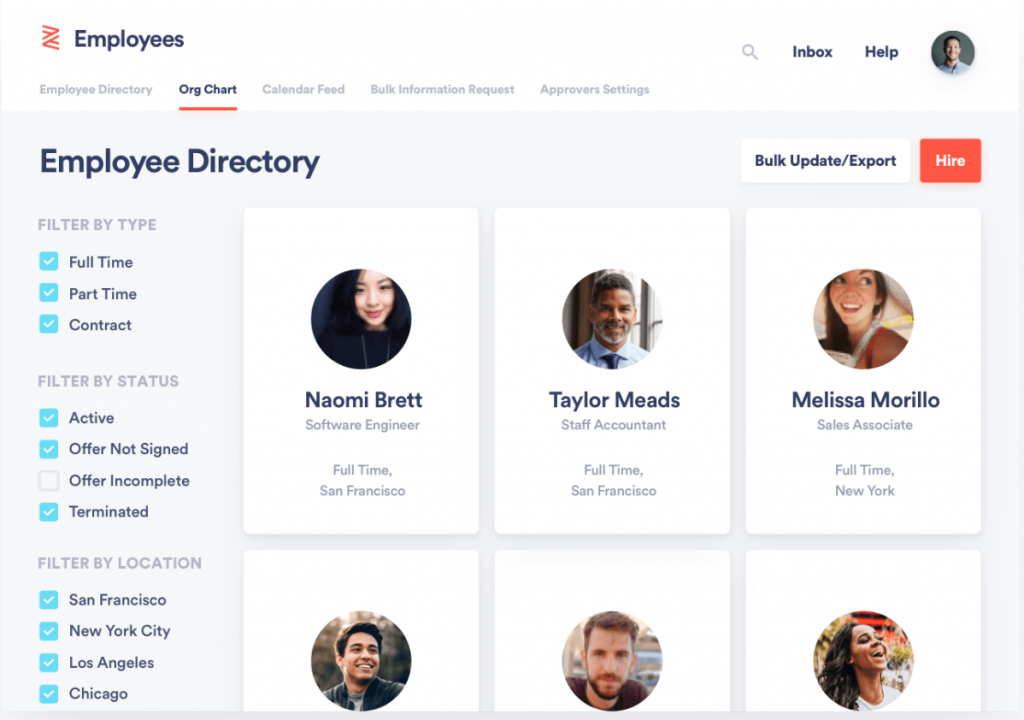
In summary, the right hr management software for small business can transform the way small enterprises handle their human resources. By embracing these systems, businesses can not only streamline their operations but also create a more engaged and satisfied workforce. As small businesses continue to evolve, staying updated with the latest HR technologies will be key to achieving lasting success and overcoming future challenges.
Expert Answers
What is HR management software?
HR management software is a digital solution designed to help businesses manage their human resources functions more efficiently, including payroll, recruitment, and employee records.
Why should small businesses use HR management software?
It helps small businesses save time, reduce errors, improve employee engagement, and streamline various HR processes, which can enhance overall productivity.
What features are essential in HR management software for small businesses?
Essential features include payroll processing, recruitment tools, employee self-service options, performance management, and compliance tracking.
How can small businesses assess their budget for HR software?
Small businesses should evaluate their specific HR needs, consider the pricing models of various software, and determine which features are crucial for their operations without exceeding their budget.
What are the common challenges in implementing HR management software?
Common challenges include resistance to change, lack of training, and potential data migration issues, which can be mitigated through proper planning and staff involvement.