hr software for small companies is becoming increasingly crucial in today’s competitive landscape. As small businesses navigate the complexities of human resource management, the right software can serve as a powerful tool for growth and efficiency. This technology addresses common challenges such as employee retention, compliance, and recruitment, ensuring that small companies can focus on their core operations while optimizing their HR processes.
By embracing HR software, businesses can not only streamline operations but also foster a more engaged and satisfied workforce.
The integration of advanced features tailored for small businesses allows HR departments to manage tasks like payroll, performance tracking, and employee development with ease. As these companies grow, scalable software options can adapt to evolving needs, making HR management both effective and sustainable. Overall, investing in HR software is a step toward elevating the workplace experience and driving long-term success.
The importance of human resource management in small companies
In small businesses, effective human resource management (HRM) is crucial for fostering a positive work environment and driving growth. HR professionals in small companies often wear multiple hats, balancing recruitment, training, compliance, and employee relations. The role of HR is not just about maintaining personnel records; it encompasses strategic planning to align workforce capabilities with business goals, ultimately impacting profitability and sustainability.
HR management is pivotal in shaping company culture and ensuring that employees are engaged and motivated. When HR practices are implemented effectively, they contribute significantly to employee satisfaction and retention. Satisfied employees are more likely to remain with the organization, reducing turnover costs and fostering a stable workforce. High employee retention is especially important for small companies that may not have the resources to continuously recruit and train new staff.
Common HR challenges faced by small companies
Despite the importance of HRM, small companies often encounter several challenges. Identifying these hurdles is essential for implementing effective solutions, and HR software can play a significant role in overcoming them. Common HR challenges include:
- Limited Resources: Small businesses usually operate with tight budgets, making it difficult to invest in comprehensive HR solutions and staff training.
- Compliance with Regulations: Navigating employment laws and regulations can be complex. Small businesses may struggle to keep up with changes in labor laws, risking non-compliance.
- Recruitment and Retention: Attracting and retaining top talent is crucial for growth, yet small companies often compete with larger corporations that can offer better salaries and benefits.
- Employee Development: Providing training and professional development opportunities can be challenging due to budget constraints, leading to potential stagnation in employee skill sets.
- Performance Management: Establishing fair and effective performance evaluation processes can seem daunting without the right tools and frameworks.
Utilizing HR software can significantly alleviate these challenges. For instance, automated recruitment tools can simplify the hiring process, while compliance tracking features can help businesses stay updated on legal requirements. Additionally, employee self-service portals can enhance communication and empower employees, leading to higher satisfaction levels.
“Effective HR management not only drives employee satisfaction but also lays the foundation for sustainable business growth in small companies.”
Key features to look for in HR software tailored for small businesses: Hr Software For Small Companies
![15+ Best HR software for small business [2025] | HiBob](https://www.hibob.com/wp-content/uploads/Deel_Product_image.png "15+ Best HR software for small business [2025] | HiBob")
Selecting the right HR software is crucial for small businesses striving to streamline their operations and enhance employee satisfaction. Small companies often operate with limited resources, so choosing software that addresses their specific needs is essential. The right features can significantly improve efficiency and enable better management of human resources, which is the backbone of any successful organization.When evaluating HR software options, small businesses should prioritize several key features that directly impact their functionality and user experience.
The following features are essential for optimizing HR processes in smaller organizations:
Essential HR Software Features
A solid HR software solution should include various features to address the multifaceted needs of small businesses. Here are some critical functionalities to consider:
| Feature | Description |
|---|---|
| Payroll Processing | Automates salary calculations, tax deductions, and compliance with regulations, ensuring accuracy and saving time. |
| Employee Self-Service | Allows employees to access their personal information, request leaves, and update details without HR intervention. |
| Performance Tracking | Enables managers to monitor employee performance, set goals, and conduct evaluations, fostering a culture of feedback. |
| Recruitment Tools | Streamlines the hiring process by offering job posting, applicant tracking, and interview scheduling features. |
| Time and Attendance Tracking | Records employee attendance and working hours, minimizing discrepancies and aiding in payroll accuracy. |
Additionally, scalability plays a critical role when selecting HR software for small businesses. As these companies grow, their HR needs often become more complex. Choosing software that can easily scale and adapt to an increasing workforce, changing regulations, and evolving business strategies is vital. This means opting for a solution that not only meets current requirements but also has the capability to expand its features and functionalities as the business matures.For instance, a small startup may initially prioritize basic payroll and employee management features.
However, as they grow, they may require advanced analytics, comprehensive performance management tools, and deeper integration with other business systems. Selecting software with scalable options ensures that a business won’t have to switch providers or undergo significant system changes as they expand.In summary, small businesses must carefully consider essential features when selecting HR software to enhance operational efficiency and prepare for future growth.
Cost considerations when adopting HR software for small companies
Investing in HR software can seem daunting for small businesses, especially when weighing the costs involved against the potential benefits. Understanding the financial aspects is crucial to making an informed decision that aligns with your company’s budget and growth strategy. This section will break down the costs associated with implementing HR software, share budget-friendly options available for small enterprises, and highlight the long-term financial advantages of adopting HR technology.When it comes to implementing HR software, several cost components should be considered.
The primary expense typically involves subscription fees, which can vary significantly based on the features and number of users. Many vendors offer pricing models based on monthly or annual subscriptions, and discounts may be available for longer commitments. Additionally, training expenses may arise, as it’s essential for your team to understand how to effectively use the new software. This could involve costs for training sessions, whether through webinars, in-person workshops, or self-guided online resources.
Furthermore, businesses should also factor in any potential hidden costs such as implementation fees, data migration costs, and ongoing maintenance or support fees.
Budget-friendly HR software options available for small businesses
For small businesses searching for cost-effective HR solutions, there are several budget-friendly software options that can provide robust features without breaking the bank.
- Gusto: Gusto offers a user-friendly platform ideal for small businesses, with plans starting as low as $39 per month plus $6 per employee. This software covers payroll, benefits, and compliance tracking.
- Zenefits: Zenefits is another affordable option, starting at $10 per employee per month. It provides comprehensive HR management tools, including onboarding, time-off tracking, and benefits management.
- BambooHR: BambooHR specializes in small to medium-sized businesses, offering plans that begin around $99 per month, depending on the features chosen.
These options are designed to scale with your business, ensuring you don’t pay for features you don’t need right away while still providing essential tools for managing your HR tasks.Investing in HR technology can yield significant long-term financial benefits compared to traditional methods. For instance, automating HR processes can save time and reduce the risk of costly human errors in payroll and compliance.
A study by the Society for Human Resource Management (SHRM) notes that automating HR tasks can save companies an average of 50% in time spent on manual processes. Additionally, with better employee management and streamlined hiring processes, small businesses can see improved retention rates, ultimately reducing the costs associated with turnover and recruitment.By adopting HR software, small companies position themselves for growth while optimizing their resources, leading to increased efficiency and reduced operational costs over time.
How HR software can enhance recruiting and onboarding processes
The recruitment and onboarding processes are critical for small companies looking to build a strong workforce. With limited resources, small businesses need efficient systems that can streamline these processes. HR software specifically designed for small companies can significantly enhance these functions by automating tasks, improving candidate experiences, and ensuring compliance with hiring regulations. As a result, businesses can focus on what truly matters—finding and nurturing the right talent.HR software enhances recruiting and onboarding through several key functionalities.
First, automated applicant tracking systems (ATS) allow businesses to manage job applications seamlessly. Small companies can post job listings on multiple platforms simultaneously, ensuring broader visibility for their job openings. This also simplifies resume sorting, as candidates can be filtered based on predefined criteria, enabling recruiters to focus on the most suitable applicants.The onboarding experience can be vastly improved by utilizing HR software.
From pre-boarding activities, such as document submission and policy acknowledgments, to scheduling training sessions, HR software can handle various tasks automatically. This not only saves time but also reduces the risk of human error during the onboarding process. Moreover, new hires can access information about company culture, policies, and their roles even before their first day, enhancing their overall experience.
Automated onboarding process flowchart
An effective automated onboarding process facilitated by HR software typically consists of the following steps:
1. Job offer acceptance
Once the candidate accepts the offer, HR software triggers the onboarding workflow.
2. Pre-boarding tasks
New employees are sent welcome emails containing necessary documents and information.
3. Forms and document submission
New hires can complete and submit HR forms online, reducing paperwork.
4. Training scheduling
The software schedules training sessions and notifies relevant teams.
5. Introduction to team
The software can facilitate introductions via team chats or forums.
6. Feedback collection
After onboarding, feedback is collected from new hires to improve the process.
“Automated onboarding not only enhances efficiency but also significantly improves the candidate experience and engagement.”
The benefits of using HR software to improve candidate experience and engagement are numerous. Personalized communication helps new hires feel welcomed and valued, while user-friendly interfaces make it easier for them to navigate onboarding tasks. Furthermore, by automating repetitive tasks, HR personnel can devote more time to building relationships with new employees, which fosters a positive work culture and increases retention rates.
Enhanced engagement during the onboarding phase sets the tone for a long-term, productive relationship between the employee and the organization.
The impact of HR software on compliance and risk management
In the dynamic landscape of small businesses, compliance with labor laws and regulations is crucial yet often overwhelming. Small companies are frequently challenged by the complexity of employment laws, which vary by location and industry. HR software emerges as a vital tool, enabling these businesses to navigate compliance effortlessly while minimizing risk. By automating compliance processes, HR software ensures that small companies remain informed and aligned with legal standards.One significant way HR software assists in maintaining compliance is by offering features that centralize employee data and automate key tasks.
This enables small businesses to keep track of various compliance requirements, such as payroll taxes, benefits administration, and labor law updates. For instance, many HR software solutions provide automated alerts for approaching deadlines related to tax filings or required employee training. This proactive approach to compliance reduces the likelihood of oversights that could result in fines or legal issues.
Compliance features in HR software
Understanding the specific compliance features offered by HR software can empower small businesses to choose the right solution for their needs. Here are some common features that enhance compliance and risk management:
- Automated Reporting: HR software can generate necessary compliance reports, such as EEO-1 reports, ensuring that businesses meet regulatory requirements without manual effort.
- Document Management: Many solutions include secure storage for essential employment documents, such as I-9 forms and employee handbooks, making it easy to access and audit when needed.
- Policy Management: HR software often provides tools for creating, distributing, and tracking employee acknowledgment of policies, ensuring that all staff are aware of and understand compliance-related policies.
- Training Management: Some platforms offer integrated training modules to ensure employees receive necessary compliance training on topics such as workplace harassment or safety regulations.
- Audit Trails: Comprehensive audit trails maintain records of who accessed sensitive information and when, which is vital for compliance and internal reviews.
Neglecting compliance can expose small businesses to severe risks, such as costly fines, lawsuits, and damage to reputation. For example, companies that fail to adhere to the Fair Labor Standards Act (FLSA) may face penalties that can significantly impact their financial stability. By implementing HR software, small businesses can mitigate these risks through consistent monitoring of compliance requirements and by maintaining up-to-date records.
This not only helps in avoiding penalties but also fosters a culture of accountability and transparency within the organization. With the right HR software in place, small companies can focus on growing their business with confidence that they are managing compliance effectively.
Enhancing employee performance and development through HR software
In the competitive landscape of small businesses, optimizing employee performance and fostering development is crucial for sustained success. HR software serves as a valuable tool that enables organizations to systematically track and enhance employee performance, ensuring that each team member can reach their full potential. By integrating performance management capabilities into daily operations, small companies can cultivate a motivated workforce that drives growth and innovation.HR software enhances employee performance tracking through features that allow for real-time monitoring of individual and team objectives.
It offers functionalities such as goal setting, performance reviews, and progress tracking, enabling managers to assess employee contributions effectively. Performance management tools can facilitate structured development planning by identifying skill gaps and suggesting relevant training programs. This systematic approach helps align employee aspirations with organizational goals, leading to mutual growth.
Performance management tools available in HR software
When selecting HR software, small businesses should explore various performance management tools that can significantly boost their HR processes. Below are some essential tools that can aid in tracking and enhancing employee performance:
- Goal Management: Tools that allow for setting, tracking, and evaluating employee objectives and company goals.
- Performance Reviews: Features that enable regular performance evaluations, providing both quantitative and qualitative assessments.
- 360-Degree Feedback: A comprehensive feedback system that collects insights from various sources, including peers, managers, and direct reports.
- Learning Management Systems (LMS): Platforms integrated within HR software to offer training and development resources tailored to individual needs.
- Succession Planning: Tools that help identify and develop future leaders within the company based on performance metrics and potential.
Continuous feedback and employee engagement tools play a pivotal role in maximizing performance. HR software often incorporates features that facilitate ongoing feedback mechanisms, allowing managers to provide real-time insights into employee work. This immediate acknowledgment not only boosts morale but also fosters a culture of open communication. Engagement tools, such as pulse surveys and recognition programs, help maintain employee motivation and satisfaction, ultimately leading to higher retention rates.Incorporating these performance management and feedback mechanisms into HR software enhances not only individual performance but also overall organizational efficiency.
By leveraging technology, small businesses can create a supportive environment that nurtures employee development and drives success.
Integration of HR software with other business tools for small companies
In today’s fast-paced business environment, it is crucial for small companies to leverage technology to stay competitive and efficient. One of the most significant advancements in this realm is the utilization of integrated HR software. The seamless integration of HR systems with other business applications not only streamlines operations but also enhances overall productivity, leading to a more cohesive work environment.
By connecting HR software with tools like accounting systems, project management software, and communication platforms, small companies can eliminate redundant tasks and improve data accuracy across departments.Integrated HR software serves as the backbone of a well-coordinated business strategy. When HR systems communicate with other applications, such as payroll, performance management, and applicant tracking systems, businesses can ensure that all data is up-to-date and easily accessible.
This connectivity fosters a more informed decision-making process, allowing managers to focus on strategic initiatives rather than getting bogged down in administrative duties. Furthermore, by reducing the time spent on manual data entry and cross-departmental communication, small businesses can allocate resources more effectively.
Comparison of Popular Integrations for Enhanced Productivity, Hr software for small companies
When considering HR software, it is imperative to evaluate the integrations that can provide the most value. Below is a table comparing popular integrations that can significantly enhance productivity for small businesses:
| Integration Tool | Key Features | Benefits |
|---|---|---|
| Accounting Software (e.g., QuickBooks) | Automated payroll processing, expense tracking | Reduces errors, saves time on financial reporting |
| Project Management Tools (e.g., Trello, Asana) | Task assignment, deadline tracking | Improves collaboration, enhances project visibility |
| Communication Platforms (e.g., Slack, Microsoft Teams) | Real-time messaging, file sharing | Streamlines communication, enhances team engagement |
| Time Tracking Software (e.g., Harvest) | Attendance monitoring, timesheet management | Accurate time tracking, simplifies billing |
| Performance Management Systems (e.g., Lattice) | Goal setting, feedback collection | Boosts employee motivation, aligns team goals |
Challenges related to integration often arise during the selection process of HR solutions. Some common hurdles include compatibility issues, data migration challenges, and resistance from staff. To overcome these obstacles, it is essential for small companies to conduct thorough research and select software that offers flexible API options and robust support services. Engaging employees in the selection process can also ease the transition by addressing their concerns and highlighting the benefits of a more integrated system.
“Seamless integration of HR software can lead to a 30% increase in overall productivity for small businesses.”
Evaluating the user experience of HR software for small business owners and employees
A user-friendly interface in HR software can significantly impact how small business owners and their employees interact with the system. Small businesses often operate with limited resources, making it crucial that every tool they utilize is efficient and straightforward. When HR software is intuitive and easy to navigate, it not only reduces the learning curve but also enhances productivity across the board.
The significance of user-friendly interfaces cannot be overstated. A clear, well-organized design allows users to quickly find the features they need without extensive training. This simplicity can lead to better employee engagement, as team members feel more comfortable using the software for various HR processes. When the software is designed with the end-user in mind, it fosters a sense of ownership and encourages employees to utilize the tools available to them.
Features such as responsive design, customizable dashboards, and accessible customer support options contribute to a positive user experience.
Importance of training and support in software adoption
Training and ongoing support are crucial components in ensuring that both business owners and employees can effectively use HR software. Even the most intuitive systems require a certain level of familiarity, and comprehensive training can facilitate this transition. Employees need to understand how to navigate the software, as well as the best practices for using its features to their fullest potential.
Providing training sessions, whether online or in-person, can greatly enhance the success of software adoption. It is also beneficial to offer resources such as user manuals, video tutorials, and FAQ sections that can be easily accessed when needed. Moreover, having dedicated support channels, such as live chat or help desks, allows users to resolve issues quickly without hampering their workflow.
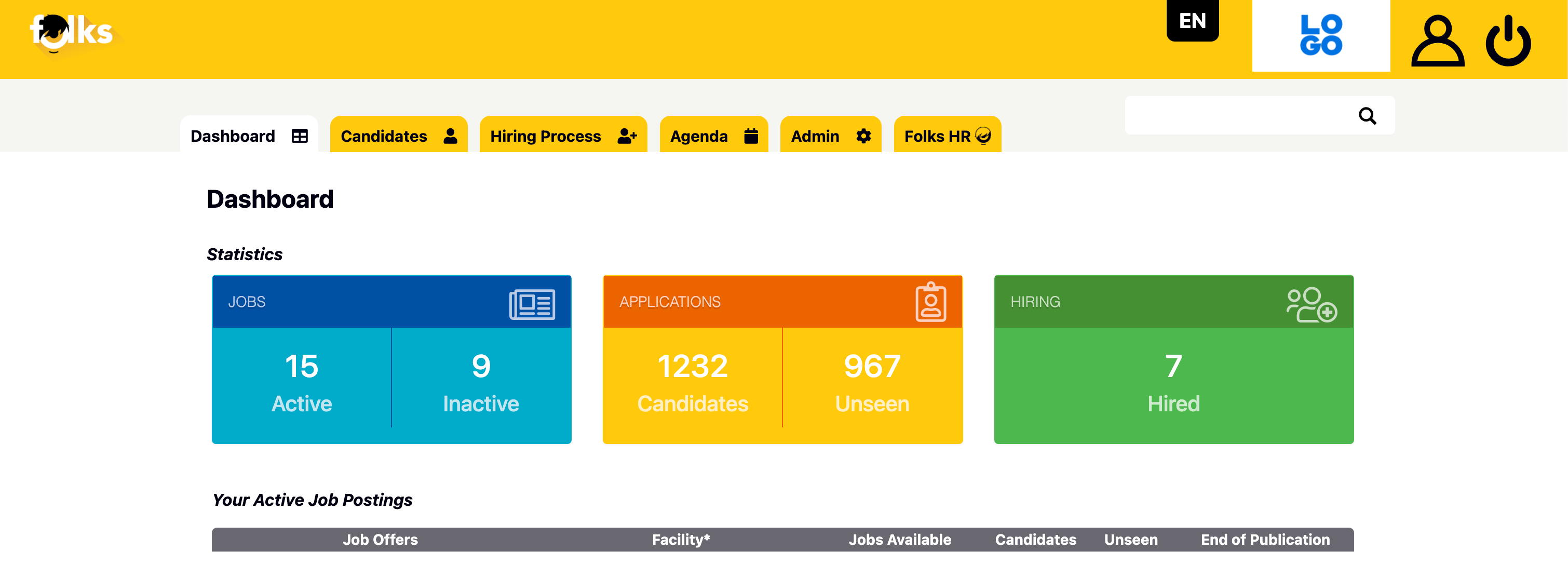
Several HR software platforms have gained recognition for their superior user experience, notably Gusto, BambooHR, and Zoho People. These platforms are lauded for their intuitive interfaces that allow users to manage payroll, track employee performance, and streamline onboarding processes seamlessly. For instance, Gusto’s dashboard is visually appealing and highlights essential tasks, making it easy for users to stay organized. BambooHR offers a mobile-friendly interface, enabling access to HR functions anytime and anywhere, which is vital for small businesses with flexible work arrangements.
In summary, evaluating the user experience of HR software encompasses both design and the support that accompanies it. By choosing a user-friendly HR system and investing in training, small businesses can create an environment where both owners and employees thrive.
Outcome Summary
In conclusion, hr software for small companies is not just a convenience; it’s a strategic investment that can lead to significant improvements in productivity, compliance, and employee satisfaction. By effectively addressing common HR challenges, the right software empowers small businesses to thrive in a dynamic environment. As companies continue to evolve, leveraging technology in human resource management will undoubtedly play a pivotal role in shaping their future success.
Q&A
What benefits does HR software provide for small companies?
HR software helps streamline HR processes, improving efficiency in payroll, recruitment, and compliance management, while enhancing employee satisfaction.
Is HR software scalable for growing businesses?
Yes, many HR software solutions offer scalable features that can grow with your business, allowing you to add functionalities as needed.
How does HR software improve employee retention?
By providing tools for performance tracking, feedback, and development, HR software fosters a supportive work environment that enhances employee satisfaction and retention.
Are there budget-friendly HR software options available?
Yes, many HR software solutions cater to small businesses with affordable pricing plans, ensuring you can find a suitable option without overspending.
What challenges might small companies face when adopting HR software?
Common challenges include integrating with existing systems, ensuring user adoption, and providing adequate training and support for employees.