Plumbing business management software is essential for today’s plumbing companies looking to thrive in a competitive marketplace. With increasing customer expectations and the demand for streamlined operations, having the right tools at your disposal can make all the difference. From managing schedules to tracking invoices, this software addresses common pain points and enhances overall business efficiency.
As plumbing businesses face unique challenges, leveraging management software can not only simplify daily tasks but also significantly improve customer service and operational workflows. With the right features and integrations, plumbing firms can better allocate resources, respond to customer needs, and ultimately grow their businesses.
Understanding the Importance of Plumbing Business Management Software

In an industry as competitive as plumbing, effective management software is not just a luxury but a necessity. Plumbing businesses face numerous challenges daily, from managing schedules to ensuring customer satisfaction. Implementing robust business management software can significantly enhance efficiency and streamline operations, ultimately leading to better service delivery and improved profitability.Efficient management software plays a crucial role in optimizing various aspects of plumbing businesses.
By automating tasks such as scheduling, invoicing, and customer communications, these tools reduce manual errors and save valuable time. This allows plumbing companies to focus on their core services rather than getting bogged down by administrative tasks. Additionally, enhanced data management capabilities enable businesses to track customer interactions, manage inventory effectively, and analyze financial performance, which are critical for making informed decisions.
Expand your understanding about best hr software for startups with the sources we offer.
Specific Pain Points Addressed by Plumbing Business Management Software
Plumbing businesses often encounter several pain points that can hinder growth and efficiency. Business management software directly addresses these issues, providing solutions that enhance operational workflow. Here are some of the most common challenges and how software can help:
- Scheduling Conflicts: High demand can lead to overlapping appointments. Effective management software offers automated scheduling features, allowing businesses to allocate resources efficiently and reduce conflicts.
- Customer Communication: Missed calls and delayed responses can damage customer relationships. Software with integrated communication tools ensures timely updates and follow-ups, enhancing customer satisfaction.
- Invoicing Errors: Manual invoicing can lead to mistakes that affect cash flow. Automated invoicing systems streamline the billing process, ensuring accuracy and prompt payments.
- Inventory Management: Keeping track of supplies and tools is vital. Management software provides inventory tracking features that alert businesses when stock levels are low, preventing project delays.
- Performance Tracking: Understanding business performance can be challenging without proper analytics. Management software offers reporting tools that help identify trends, profitability, and areas needing improvement.
“Efficient plumbing business management software is the backbone of successful operations, allowing businesses to thrive in a competitive landscape.”
Key Features of Plumbing Business Management Software
Plumbing business management software is essential for optimizing operations and enhancing customer satisfaction. The right software can streamline a variety of tasks, from scheduling appointments to managing finances, ultimately contributing to a more organized and efficient business model. Understanding the key features of these software solutions can help plumbing businesses select the best tools for their unique needs.Efficient plumbing management software should encompass several essential features that enhance productivity and facilitate seamless operations.
These features not only simplify daily tasks but also improve overall customer service and financial management. Below are some of the most critical features to look for when selecting plumbing business management software:
Scheduling and Dispatching
Effective scheduling and dispatching capabilities are fundamental for any plumbing business. This feature enables managers to assign jobs to technicians quickly, taking into account their locations and availability. A well-designed scheduling system can minimize travel time and ensure that clients receive timely service, thus improving customer satisfaction. Key aspects include:
- Real-time calendar updates.
- Automated reminders for both staff and customers.
- Job prioritization based on urgency or customer preferences.
Invoicing and Payment Processing
Streamlining the invoicing and payment process is crucial for maintaining cash flow. Plumbing business management software should provide easy-to-use invoicing tools that allow businesses to generate and send invoices swiftly. This feature often includes:
- Customizable invoice templates to match branding.
- Automatic tax calculations to simplify billing.
- Integration with various payment gateways for smoother transactions.
Effective invoicing leads to faster payments and improved client satisfaction.
Customer Relationship Management
Maintaining strong customer relationships is vital for repeat business in the plumbing industry. A robust customer relationship management (CRM) feature helps businesses track interactions, manage customer histories, and tailor services to meet specific needs. Important functionalities include:
- Customer profiles with service history and preferences.
- Follow-up reminders for service agreements or maintenance checks.
- Feedback collection tools for continuous improvement.
Reporting and Analytics
Business intelligence is critical for informed decision-making. Reporting and analytics features provide insights into various aspects of the business, such as revenue trends, technician performance, and customer satisfaction. Key benefits include:
- Customizable reports for financial performance.
- Data visualization tools for easier comprehension.
- Performance metrics to identify areas for improvement.
Comparative Analysis of Software Offerings
When evaluating different plumbing business management software, it’s essential to compare their feature sets to find the best fit. Different software may excel in specific areas while lacking in others. For instance, one platform might offer superior scheduling capabilities but fall short in CRM features. It’s crucial to weigh the following:
| Software | Scheduling | Invoicing | CRM | Reporting |
|---|---|---|---|---|
| Software A | Excellent | Good | Average | Good |
| Software B | Good | Excellent | Good | Average |
| Software C | Average | Good | Excellent | Excellent |
The Benefits of Integrating Plumbing Business Management Software
Integrating plumbing business management software into existing processes offers a multitude of advantages that streamline operations, enhance efficiency, and ultimately lead to increased profitability. This type of software is designed not only to simplify day-to-day tasks but also to provide insights that drive better decision-making. Employing management software can lead to significant cost savings and revenue enhancement through improved resource allocation.
When businesses leverage technology to manage their operations, they often find that tasks that were previously time-consuming and labor-intensive can be automated or streamlined. This results in a more productive workforce and reduced overhead costs.
Cost Savings Through Resource Allocation
Understanding how resource allocation can affect the bottom line is crucial for plumbing businesses. By integrating management software, companies can gain insights into their resource utilization, leading to more efficient practices. Here are some key cost-saving aspects:
- Improved Scheduling: Software helps optimize technician schedules, reducing downtime and ensuring that the right person is dispatched for each job. This minimizes travel time and maximizes billable hours.
- Inventory Management: Real-time tracking of inventory levels aids in purchasing decisions, reducing excess stock and preventing shortages, which can lead to lost revenue opportunities.
- Automated Billing: Streamlining invoicing and payment processes reduces the labor involved in accounts receivable, decreasing administrative costs and improving cash flow.
By optimizing processes, plumbing businesses can potentially cut operational costs by up to 20%, as reported by various industry studies.
Notice business payroll software for recommendations and other broad suggestions.
Revenue Enhancements Through Efficiency
Efficiency translates directly into revenue generation. When plumbing businesses utilize management software effectively, they can witness significant revenue enhancements. Here are some illustrative benefits:
- Enhanced Customer Experience: Quick access to customer histories and preferences allows technicians to offer personalized service, leading to higher customer satisfaction and repeat business.
- Data-Driven Insights: Analytics features can identify the most profitable services or products, enabling businesses to focus their marketing efforts where they’ll yield the best returns.
- Reduced Job Completion Time: Streamlined workflows can reduce the time taken to complete jobs, allowing businesses to take on more work without compromising service quality.
Companies that have adopted advanced plumbing management software report an increase in service efficiency by approximately 30%, boosting overall revenue generation capabilities.
Incorporating plumbing business management software not only positions businesses for immediate operational improvements but also sets the stage for long-term growth and sustainability. The integration of such software into existing business processes is not just a technical upgrade; it’s a strategic move towards a more efficient and profitable future.
Challenges in Implementing Plumbing Business Management Software
Implementing plumbing business management software can bring significant improvements to operations, but it also presents unique challenges. Businesses often face hurdles such as resistance from employees, technical difficulties, and the need for comprehensive training. Understanding these challenges is crucial for a successful transition, as they can affect the overall effectiveness of the software.One of the primary challenges plumbing businesses encounter during software implementation is resistance to change.
Employees may feel comfortable with existing processes and skeptical about switching to a new system. This resistance is often fueled by fear of the unknown, concerns about job security, or simply a preference for familiar routines. Additionally, technical challenges can arise, including integration with existing systems, data migration, and ensuring compatibility with other tools.
Strategies to Overcome Resistance to Change
Addressing resistance to change within a plumbing business is essential for successful software implementation. Here are some effective strategies to foster acceptance among staff and management:
- Involvement in the Decision-Making Process: Engaging employees in the selection process of the software can increase their sense of ownership and reduce resistance. When they feel their input matters, they are more likely to embrace the change.
- Clear Communication: Clearly communicating the benefits of the new software and how it will improve daily operations can help address fears and misconceptions. Providing a clear vision of the future state can motivate staff to adapt.
- Showcasing Success Stories: Sharing case studies or examples of other plumbing businesses that successfully implemented similar software can serve as inspiration and demonstrate the potential value of the new system.
- Gradual Implementation: Instead of a complete overhaul, a phased approach to implementation allows staff to adjust gradually, minimizing disruption to daily operations and providing ample time for adaptation.
Importance of Training and Support
Training and ongoing support are key components in ensuring successful adoption of plumbing business management software. Proper training equips staff with the necessary skills to navigate the new system effectively, enhancing overall productivity. Here’s why training and support are vital:
- Boosting Confidence: Comprehensive training sessions help employees feel more confident in using the software. A well-trained team is less likely to encounter issues that stem from misuse or misunderstanding of the system.
- Resource Availability: Providing access to resources such as manuals, online tutorials, and FAQs can aid in the learning process. Having these resources readily available encourages self-directed learning.
- Ongoing Support Systems: Establishing a support system that includes IT help desks or dedicated support personnel can address questions or issues that arise post-implementation. This support fosters a positive attitude toward the new software.
- Feedback Mechanisms: Implementing feedback mechanisms allows employees to share their experiences and suggest improvements. This creates a culture of continuous improvement and ensures the software evolves to meet business needs.
“Successful implementation is not just about the technology; it’s about the people using it.”
Comparing Popular Plumbing Management Software Solutions
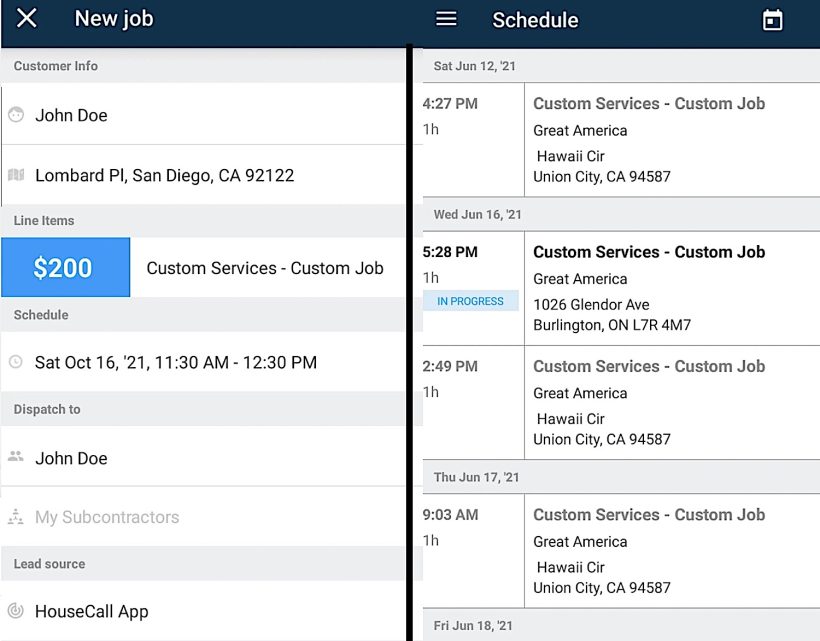
In the competitive world of plumbing services, selecting the right management software is essential for streamlining operations and improving efficiency. With various options available, it’s crucial to compare key features and pricing models to find the best fit for your business needs. This comparison focuses on popular plumbing management software solutions currently available in the market, helping you make an informed decision.When evaluating plumbing management software, it’s important to consider factors such as pricing, ease of use, customer support, and specific features that cater to the plumbing industry.
Below is a detailed comparison of some of the leading solutions in the market today.
Comparison Table of Popular Plumbing Management Software
The following table Artikels essential details about several plumbing management software solutions, allowing for easy comparison of their offerings.
| Software Name | Pricing Model | Ease of Use | Customer Support | Key Features |
|---|---|---|---|---|
| Jobber | Starting at $29/month | User-friendly interface, easy navigation | Email, phone support, extensive knowledge base | Scheduling, invoicing, client management, mobile app |
| ServiceTitan | Custom pricing (based on business needs) | Comprehensive but may require training | 24/7 support, dedicated account manager | Dispatching, reporting, marketing automation, integrated payments |
| Housecall Pro | Starting at $12/month | Intuitive and straightforward setup | Live chat, email support, resource center | Online booking, customer notifications, payment processing |
| mHelpDesk | Starting at $199/month | Moderate learning curve, flexible options | Phone support, ticketing system, training webinars | Work order management, time tracking, customer history |
| ServiceFusion | Starting at $39/month | Easy-to-use dashboard, customizable settings | Online chat, phone support, user community | Job tracking, customer portal, mobile access |
Choosing the right plumbing management software can enhance productivity and elevate customer satisfaction, ultimately leading to business growth.
Future Trends in Plumbing Business Management Software
As technology continues to evolve, plumbing business management software is poised for significant advancements that will reshape the industry. With the incorporation of emerging technologies, plumbing companies can expect enhanced operational efficiency, improved customer service, and streamlined processes. These innovations will not only simplify day-to-day management tasks but also provide a competitive edge in an increasingly digital marketplace.One of the most impactful developments on the horizon is the integration of artificial intelligence and automation into plumbing management software.
These technologies promise to revolutionize how plumbing businesses operate, offering tools that can predict maintenance needs, optimize scheduling, and enhance customer interactions. As the functionality of these software solutions expands, plumbing professionals will find new ways to leverage data for strategic decision-making.
Artificial Intelligence in Plumbing Management
Artificial intelligence (AI) is set to transform plumbing business management by enabling predictive analytics and personalized customer experiences. AI algorithms can analyze historical data to forecast equipment failures, helping businesses proactively address issues before they escalate into costly repairs. Additionally, AI chatbots can enhance customer service by providing instant responses to inquiries and booking appointments. This not only improves customer satisfaction but also frees up staff to focus on more complex tasks.For example, companies that implement AI-driven tools may experience a reduction in emergency calls by 30% due to better maintenance scheduling.
This reduction not only saves money but also strengthens customer relationships through timely service.
Automation in Operations
Automation will play a crucial role in streamlining operational processes within plumbing businesses. By automating repetitive tasks such as invoicing, inventory management, and scheduling, businesses can significantly reduce the potential for human error and enhance productivity.Implementing automated workflows allows plumbing professionals to concentrate on high-value activities. For example, automated reminders for maintenance tasks can ensure that clients receive timely service, leading to increased retention rates.Furthermore, integrating automation with mobile technologies enables technicians to access real-time data while on-site.
This connectivity allows for immediate updates and improved communication, ultimately leading to faster service delivery.
Obtain a comprehensive document about the application of hris small business that is effective.
The Impact of Emerging Technologies on the Plumbing Industry
The advancements in plumbing business management software not only benefit individual companies but also have broader implications for the plumbing industry as a whole. These technologies can lead to improved standards of service, greater transparency in operations, and enhanced accountability within the sector.As plumbing businesses adopt these innovations, industry benchmarks are likely to rise, pushing all players to adapt and improve.
Increased efficiency and reduced operational costs will ultimately benefit consumers through more competitive pricing and reduced service disruptions.In conclusion, as plumbing business management software continues to evolve with the inclusion of AI and automation, the industry will witness a paradigm shift towards more data-driven, efficient, and customer-centric operations.
Customer Feedback and Its Role in Software Improvement
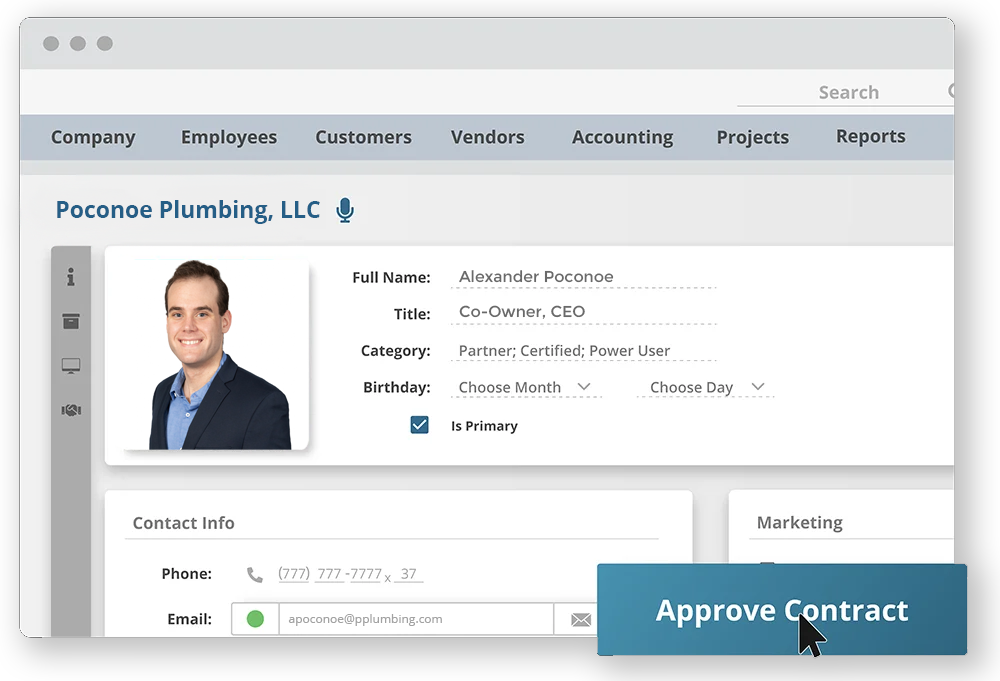
Customer feedback plays a vital role in the continuous evolution of plumbing management software. In an industry where efficiency, reliability, and responsiveness are crucial, understanding user experiences can lead to significant advancements in software functionality and user satisfaction. By actively engaging with customers and implementing their suggestions, companies can ensure their software meets the evolving needs of the plumbing business environment.Gathering and analyzing user feedback effectively is essential for identifying areas that require improvement and enhancement.
Companies can adopt various methods to capture valuable insights from their clientele, which can be implemented to refine their software offerings.
Methods for Gathering and Analyzing User Feedback, Plumbing business management software
Utilizing diverse strategies to collect feedback ensures a comprehensive understanding of user needs. Here are some effective methods to consider:
- Surveys and Questionnaires: Distributing surveys post-software usage can provide structured insights into user satisfaction and areas needing improvement. Tailor questions to focus on specific software features and overall user experience.
- User Interviews: Conducting one-on-one interviews allows for deeper conversations, helping gather qualitative data that surveys might miss. These discussions can reveal emotional responses and specific pain points.
- Feedback Forms: Integrating feedback forms directly within the software interface encourages users to share their thoughts as they work, ensuring timely and relevant responses.
- Usability Testing: Observing users interact with the software in real-time can uncover usability issues and feature requests, leading to practical improvements based on actual usage patterns.
- Social Media and Online Communities: Monitoring discussions on platforms like forums or social media can provide a wealth of feedback, showcasing user experiences and suggestions in an informal setting.
Incorporating the feedback obtained through these methods can result in substantial enhancements to software performance and user experience.
“User feedback is the compass that guides software development in the right direction.”
Real-life examples illustrate the power of customer feedback in inciting software upgrades. For instance, a popular plumbing management software company received consistent requests for a mobile-friendly interface. By prioritizing this feedback, they developed a mobile application that allowed technicians to access job details on the go. This not only improved workflow efficiency but also increased customer satisfaction, illustrating the tangible benefits of effectively utilizing user feedback.
Another example involves the integration of a scheduling tool that was suggested by multiple users; this feature drastically reduced missed appointments and improved overall business management for plumbing companies.In summary, customer feedback serves as an invaluable resource for plumbing management software developers. By employing various methods for gathering insights, companies can foster a culture of continuous improvement, ensuring their software evolves to meet the dynamic needs of the plumbing industry.
The Role of Data Analytics in Plumbing Management
Data analytics is rapidly reshaping how plumbing businesses operate, offering insights that can lead to improved efficiency and profitability. By harnessing the power of data, plumbing companies can make informed decisions that enhance service delivery and customer satisfaction. The integration of data analytics in plumbing management enables businesses to anticipate needs, optimize operations, and identify new opportunities for growth.Data analytics enhances decision-making in a plumbing business by providing critical insights into various operational aspects.
By analyzing performance metrics, customer feedback, and market trends, plumbing managers can pinpoint inefficiencies, forecast demand, and tailor services to better meet client expectations. The data-driven approach fosters a proactive culture, allowing companies to respond swiftly to challenges and capitalize on emerging trends.
Types of Data to Collect and Analyze
Collecting the right types of data is essential for operational improvements in plumbing management. Here are key data categories that should be prioritized:
- Customer Data: Information on customer preferences, feedback, and service history helps tailor offerings and improve customer relations.
- Operational Data: Metrics related to job completion times, project costs, and resource allocation enable identification of inefficiencies and optimize resource management.
- Financial Data: Analysis of revenue streams, expenses, and profit margins provides insights into financial health and aids in budgeting decisions.
- Market Data: Competitor analysis and industry trends inform strategic decisions and help identify new market opportunities.
Implementing effective data analytics tools and techniques is crucial for maximizing the benefits of plumbing management software. Various tools can be utilized to analyze and visualize data, making insights more accessible for decision-makers.
Tools and Techniques for Leveraging Data Analytics
The use of specialized software and analytical techniques can significantly enhance the ability to leverage data within plumbing management. Consider the following tools and methods:
- Dashboards: Visualization tools like dashboards provide real-time data insights, allowing managers to monitor key performance indicators (KPIs) easily.
- Predictive Analytics: Using historical data and machine learning algorithms, businesses can forecast future trends and customer needs, improving service planning.
- Reporting Tools: Comprehensive reporting tools can automate data collection and analysis, providing actionable insights without manual intervention.
- Data Integration Platforms: These platforms allow seamless integration of data from multiple sources, ensuring a holistic view of business operations.
By implementing these data analytics tools and techniques, plumbing businesses can ensure that they remain competitive and responsive to both customer needs and market changes. The integration of data analytics into plumbing management not only enhances operational efficiency but also drives informed decision-making, positioning businesses for sustained growth in a dynamic industry.
Ultimate Conclusion
In summary, plumbing business management software is a game-changer for companies aiming to improve their operational efficiency and customer satisfaction. By understanding its importance, integrating essential features, and overcoming implementation challenges, plumbing businesses can harness the full potential of technology to thrive in their industry. The future looks bright as innovations continue to shape the way plumbing services are managed and delivered.
Helpful Answers
What is plumbing business management software?
It’s a tool designed to help plumbing businesses manage their operations efficiently, covering scheduling, invoicing, and customer relations.
How can this software improve customer service?
By streamlining communication, providing timely updates, and ensuring quick responses to customer inquiries.
Is training necessary for using plumbing management software?
Yes, proper training ensures staff can effectively utilize the software, maximizing its benefits for the business.
Can this software integrate with existing tools?
Many plumbing management software solutions offer integration options with popular tools to enhance functionality.
What are the costs associated with plumbing management software?
Costs vary depending on features, provider, and subscription models, but many offer scalable pricing to fit different business sizes.