Pest control business management software sets the stage for this enthralling narrative, offering a comprehensive look at how technology is transforming the pest control industry. With efficiency at the forefront, these software solutions are designed to streamline operations, enhance customer service, and ultimately drive profitability for businesses in this sector.
By integrating various tools such as scheduling, customer relationship management, and mobile applications, pest control companies can effectively tackle common challenges and improve productivity. This software not only aids in managing day-to-day operations but also provides insights through data analysis, enabling businesses to make informed decisions that lead to improved service delivery and client satisfaction.
The Importance of Pest Control Business Management Software for Operational Efficiency
In the fast-paced world of pest control, operational efficiency is not just a goal but a necessity. Pest control business management software has emerged as a game-changer, enabling companies to streamline their processes, maximize productivity, and enhance customer satisfaction. By leveraging technology, pest control companies can significantly reduce manual tasks, leading to better resource allocation and increased profitability.The integration of pest control management software can transform how companies operate.
For instance, scheduling and dispatching jobs can be automated, allowing technicians to receive real-time updates and optimized routes. This not only saves time but also reduces fuel costs and improves service delivery. Moreover, the software often includes features for tracking inventory levels, managing customer accounts, and billing, which contribute to an organized workflow.
Key Features of Pest Control Business Management Software
Understanding the features that enhance operational efficiency is crucial for pest control businesses. Here are some key capabilities that the software offers to boost productivity:
- Automated Scheduling: Streamlines the process of assigning jobs to technicians based on their availability and location, minimizing travel time and improving service efficiency.
- Mobile Access: Technicians can access job details, customer history, and inventory information on their mobile devices, ensuring they are prepared and informed during service calls.
- Inventory Management: Tracks stock levels of pesticides and equipment, alerting managers when supplies are low, which helps prevent service delays due to shortages.
- Invoicing and Payments: Simplifies the billing process by allowing for quick invoicing and secure online payment options, enhancing cash flow and reducing accounts receivable time.
- Customer Relationship Management (CRM): Maintains records of customer interactions, preferences, and service history, enabling personalized service and improved retention rates.
Identifying and addressing common challenges in pest control management is paramount. Software can help tackle issues such as inefficient scheduling, miscommunication between teams, and difficulties in tracking service history. By automating routine tasks and centralizing information, pest control businesses can focus on delivering high-quality service while minimizing operational hiccups.
“Operational efficiency is the backbone of a successful pest control business, and the right software is a powerful ally in achieving this.”
Key Features to Look for in Pest Control Business Management Software
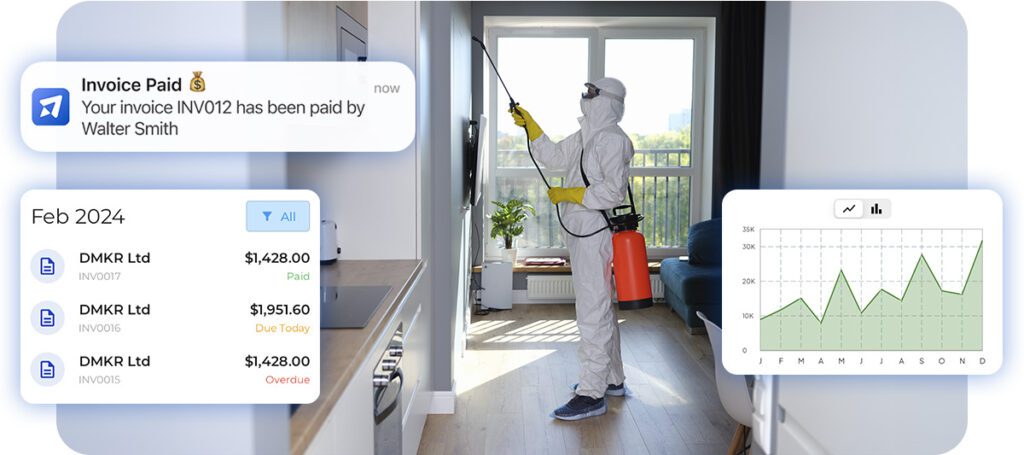
In the competitive landscape of pest control services, leveraging technology can significantly enhance operational efficiency. Pest control business management software encompasses a wide array of features tailored to streamline operations, improve customer relationships, and ultimately drive profitability. Identifying the key features of such software is essential for businesses looking to optimize their workflow and service delivery.One of the most critical aspects of pest control software is its scheduling and dispatching tools, which can dramatically enhance service delivery.
By automating these tasks, businesses can minimize errors, reduce response times, and ensure that technicians are efficiently routed to job sites. The integration of real-time tracking allows for immediate updates, enabling management to respond swiftly to any changes or emergencies.
Must-Have Features of Pest Control Software
When selecting pest control business management software, several must-have features can make a significant difference in operational effectiveness. Here are some features that should be prioritized:
- Scheduling and Dispatching Tools: These tools help automate the scheduling of appointments, ensuring optimal routing for technicians and reducing downtime.
- Customer Relationship Management (CRM): A robust CRM component provides insights into customer interactions, helping businesses maintain strong relationships and enhance client satisfaction.
- Invoicing and Billing Systems: Simplified invoicing enables quick payment processing, improving cash flow and reducing administrative burden.
- Mobile Accessibility: Mobile-friendly interfaces allow technicians to access job details on-site, update statuses, and communicate with the office in real-time.
- Reporting and Analytics: Comprehensive reporting tools provide insights into business performance, helping managers make informed decisions based on data trends.
- Inventory Management: Effective tracking of pest control products ensures that supplies are adequately stocked and helps manage costs.
The implementation of scheduling and dispatching tools plays a pivotal role in improving service delivery. These tools facilitate the efficient allocation of resources by considering factors such as technician availability, geographic location, and customer preferences. This not only results in faster response times but also enhances the overall customer experience, as clients appreciate timely and reliable service.
Role of CRM Components in Client Satisfaction
A well-integrated CRM system within pest control software is invaluable for enhancing client satisfaction. This component centralizes customer information, allowing businesses to track service history, preferences, and feedback. By maintaining a comprehensive view of each client, pest control companies can personalize their services, leading to better alignment with customer needs.The CRM also plays a crucial role in follow-ups and communication.
Automated reminders for routine services or pest inspections can be sent to customers, ensuring they remain engaged and informed. Additionally, capturing customer feedback through surveys or reviews helps businesses understand their strengths and areas for improvement.
“A strong customer relationship is not only about providing services but also about fostering trust and responsiveness.”
With an effective CRM system, pest control companies can build lasting relationships with their clients, resulting in higher retention rates and increased referrals. This holistic approach not only promotes operational efficiency but also cultivates a reputation for exceptional service within the community.
How Pest Control Management Software Can Improve Customer Satisfaction
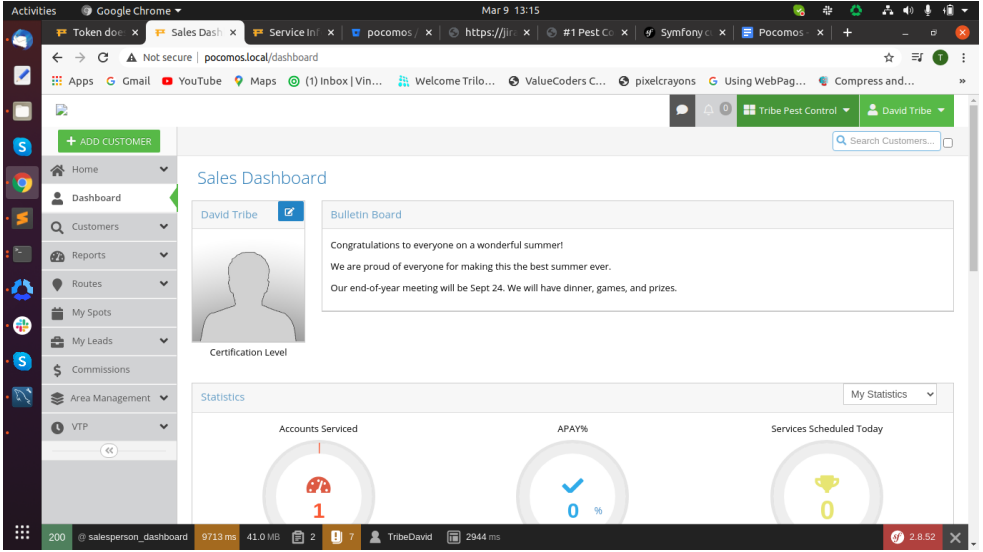
In today’s fast-paced world, customer satisfaction is essential for any business’s success, including pest control services. Leveraging pest control management software can significantly enhance the customer experience by streamlining communications and improving service delivery. With automation tools and effective feedback integration, businesses can not only meet but exceed customer expectations.The impact of automation on customer communication and engagement is profound.
Learn about more about the process of manufacturing management software in the field.
Automated systems enable timely responses to customer inquiries, ensuring they feel valued and informed throughout the service process. For instance, appointment confirmations, reminders, and follow-up messages can be sent automatically, reducing the burden on staff and allowing them to focus on delivering outstanding service. This proactive communication fosters trust and reliability, essential components of customer satisfaction.
Remember to click hr software for small companies to understand more comprehensive aspects of the hr software for small companies topic.
Methods to Incorporate Customer Feedback for Service Improvement
Collecting customer feedback is vital for continuous improvement. Pest control management software can facilitate this process in several ways:
- Automated Surveys: After a service call, automated surveys can be sent to gather customer opinions on their experience. This data can reveal areas for improvement and highlight what is working well.
- Feedback Analytics: Advanced management software can analyze customer feedback trends, helping businesses identify common issues or requests that may require attention.
- Customer Portals: Providing a portal where customers can leave reviews or suggestions enhances engagement. Customers appreciate having a direct line of communication with the service provider.
- Response Tracking: Keeping track of how quickly and effectively feedback is addressed can improve customer trust. Quick resolutions demonstrate a commitment to customer satisfaction.
The comparison between traditional customer service methods and those enhanced by management software showcases significant advantages. Traditional methods often rely on manual processes, which can lead to delayed responses and inconsistent communication. Here’s how enhanced methods shine through:
- Speed: Automated systems ensure that customer queries are addressed almost instantaneously, contrasting with traditional methods that may involve waiting for a staff member to respond.
- Consistency: Management software provides standardized responses and information, ensuring that all customers receive the same level of service regardless of who they interact with.
- Data-Driven Insights: Traditional methods may overlook valuable customer data, while management software collects and analyzes data to inform business strategies and enhance service offerings.
- Multi-Channel Support: With management software, businesses can engage customers through various channels, such as email, SMS, or chat, accommodating customer preferences in communication.
Effective use of pest control management software improves customer satisfaction by automating communication and integrating customer feedback, ensuring a responsive and reliable service.
The Role of Mobile Applications in Pest Control Business Management
Mobile applications have become an essential tool in streamlining pest control operations, making them more efficient and customer-oriented. With the rise of mobile technology, pest control businesses can leverage apps to facilitate real-time communication, improve service delivery, and enhance overall operational efficiency. The integration of mobile applications into pest control management not only helps in managing tasks but also offers a modern solution to meet the demands of today’s fast-paced service environment.Mobile apps can revolutionize pest control operations by providing technicians with direct access to vital information while they are in the field.
Technicians equipped with mobile devices can access service histories, customer preferences, and treatment plans instantly, eliminating the need for cumbersome paperwork and reducing the time spent on administrative tasks. This immediate access to data helps ensure that service is tailored to the specific needs of each customer, ultimately leading to better outcomes and increased satisfaction.
Advantages of Real-Time Data Access for Technicians, Pest control business management software
Real-time data access allows technicians to remain informed and responsive during service calls. This capability significantly enhances their efficiency in several ways:
- Instant Updates: Technicians receive real-time updates on schedules, customer requests, and any changes in services, enabling them to adapt quickly and respond effectively.
- Access to Historical Data: Having immediate access to a customer’s treatment history helps technicians understand previous issues and resolutions, allowing for tailored service based on past experiences.
- Enhanced Communication: Mobile apps facilitate seamless communication between technicians and the office. Technicians can easily report their progress, consult with supervisors, or request assistance when needed.
- Increased Productivity: By reducing time spent on administrative tasks and travel back to the office for information retrieval, technicians can complete more service calls in a day.
While mobile technology offers numerous advantages, implementing mobile applications in pest control operations can also present challenges. These challenges typically include ensuring data security, training staff, and maintaining device compatibility.
Potential Challenges and Solutions in Implementing Mobile Technology
Despite the advantages, several challenges may arise during the adoption of mobile applications:
- Data Security: Protecting sensitive customer information is crucial. Implementing robust security protocols, such as encryption and secure logins, can help safeguard data.
- Staff Training: Ensuring all technicians are proficient in using mobile applications is essential. Providing comprehensive training sessions and ongoing support will help staff adapt to new technology.
- Device Compatibility: Various devices and operating systems may affect app performance. Choosing applications that are compatible across multiple platforms can minimize issues.
In conclusion, mobile applications hold the potential to transform pest control business management by enhancing operational efficiency and customer satisfaction. By embracing this technology, pest control companies can effectively meet the evolving demands of the industry while addressing challenges through strategic solutions.
Cost-Benefit Analysis of Implementing Pest Control Management Software
Investing in pest control management software can seem daunting due to the initial costs involved. However, a comprehensive cost-benefit analysis reveals significant long-term savings and operational efficiencies that justify the investment. Understanding these aspects helps businesses make informed decisions about software adoption.The initial costs of implementing pest control management software can vary significantly based on the features and scalability of the solution.
While these costs may include software purchase, licensing fees, and training expenses, they are often outweighed by the long-term savings achieved through enhanced operational efficiency. Here are specific areas where operational costs can be reduced through software usage:
Areas of Cost Reduction through Software Usage
Identifying areas where operational costs can be minimized is crucial for evaluating the overall value of pest control management software. The following points highlight key areas of cost reduction:
- Streamlined Operations: Automating scheduling and dispatch saves time and reduces labor costs, allowing technicians to handle more jobs efficiently.
- Inventory Management: Real-time tracking reduces excess inventory costs and minimizes waste, leading to better resource allocation.
- Reduced Administrative Overhead: Digital record-keeping cuts down on paperwork and data entry, reducing clerical staff needs and associated costs.
- Minimized Fuel Expenses: Optimized routing for service calls ensures technicians take the most efficient routes, lowering fuel consumption and travel costs.
- Improved Customer Retention: Enhanced customer service and satisfaction through timely communication and service updates can lead to repeat business, thus reducing marketing expenditures.
Calculating the return on investment (ROI) for pest control business management software involves a straightforward approach. The formula for ROI is as follows:
ROI = (Net Profit / Cost of Investment) x 100
To perform this calculation, businesses should consider both tangible and intangible benefits gained from the software. Here’s a breakdown of how to assess these factors:
1. Determine Net Profit
This includes increased revenue from improved customer retention, the ability to take on more jobs, and reduced operational costs.
2. Calculate Cost of Investment
This encompasses initial software costs, ongoing maintenance, and training expenses over a predetermined period.
3. Evaluate Intangible Benefits
Consider factors such as enhanced customer satisfaction, brand loyalty, and improved employee morale, which may contribute to long-term profitability.In summary, a thorough cost-benefit analysis of pest control management software highlights that while initial costs exist, the potential for significant long-term savings and increased operational efficiency makes it a worthwhile investment for pest control businesses.
Best Practices for Training Employees on Pest Control Business Management Software
Effective training is essential for ensuring that employees can harness the full potential of pest control business management software. The success of software implementation hinges not only on the technology itself but also on how well staff are trained to use it. A well-structured onboarding process can significantly enhance productivity, streamline operations, and improve customer interactions.To maximize the effectiveness of training, it’s crucial to adopt a variety of strategies and resources that cater to different learning styles.
Providing comprehensive training materials and hands-on demonstrations can empower employees and boost their confidence in using new systems.
Find out about how best employee engagement software can deliver the best answers for your issues.
Effective Training Strategies and Resources
Diverse training strategies help accommodate different learning styles and ensure every employee can adapt to the software quickly. Here are some effective methods:
- Interactive Workshops: Conducting in-person or virtual workshops allows employees to engage directly with the software, ask questions, and practice in real-time.
- Video Tutorials: Creating step-by-step video guides can be an invaluable resource that staff can refer back to at any time, reinforcing their learning.
- User Manuals and Quick Reference Guides: Providing written documentation that details features and functionalities empowers employees to troubleshoot issues independently.
- Mentorship Programs: Pairing less experienced employees with tech-savvy colleagues fosters a supportive environment that encourages knowledge-sharing.
Importance of Ongoing Support and Refreshers
Maintaining software proficiency is not a one-time effort. Ongoing support and periodic refreshers are vital for keeping staff updated with software advancements and best practices. Consider the following strategies:
- Regular Check-ins: Schedule routine meetings to address any challenges employees face and to highlight new software features that can enhance efficiency.
- Advanced Training Sessions: Organize advanced training sessions every few months to introduce new functionalities and reinforce existing knowledge.
- Feedback Mechanisms: Establishing a way for employees to provide feedback on the software’s usability can help identify areas where additional training might be necessary.
Common Pitfalls and Solutions During Training
Training phases can encounter several common pitfalls that may hinder the onboarding process. Recognizing these challenges and implementing solutions can lead to a smoother transition.
- Overloading Information: Avoid overwhelming employees with too much information at once. Break down training into manageable segments to facilitate better retention.
- Lack of Real-Life Application: Ensure that training includes real-life scenarios that employees might face in their roles, allowing them to see the practical application of the software.
- Neglecting Individual Learning Paces: Recognize that not all employees learn at the same speed. Providing additional resources or one-on-one support for those who need it can enhance overall proficiency.
- Ignoring Follow-Up: After training, neglecting to follow up can lead to forgotten skills. Use refresher courses and support resources to maintain engagement and proficiency.
Future Trends in Pest Control Business Management Software
The pest control industry is undergoing a transformation fueled by advancements in technology. As new challenges arise, pest control business management software is evolving to meet the demands of an increasingly competitive market. Emerging technologies, particularly artificial intelligence (AI) and machine learning (ML), are set to play a pivotal role in shaping the future of pest control management. Understanding these trends can help businesses stay ahead of the curve and enhance their operational efficiency while meeting customer expectations.
Emerging Technologies Shaping Pest Control Management
Several technologies are emerging that promise to revolutionize pest control management software. These innovations will not only streamline operations but also enhance decision-making processes.
- Internet of Things (IoT): IoT devices can monitor pest activity in real-time, providing data that can be analyzed to predict infestations and optimize treatment plans.
- Drone Technology: Drones equipped with imaging technology can assess large areas for pest infestations, allowing for more efficient inspections and treatments.
- Remote Monitoring Systems: These systems enable pest control companies to monitor traps and infestations remotely, leading to quicker response times and reduced labor costs.
The integration of these technologies into business management software can help companies operate more efficiently and respond dynamically to pest-related issues.
Integration of Artificial Intelligence and Machine Learning
AI and ML are becoming essential components of pest control business management software. These technologies facilitate advanced data analysis, leading to more informed decision-making.
- Predictive Analytics: AI algorithms can analyze historical data to forecast pest outbreaks, enabling proactive measures to prevent infestations.
- Automated Scheduling: Machine learning can optimize scheduling for technicians based on various factors such as location, job type, and customer availability, improving efficiency and service delivery.
- Enhanced Customer Interactions: AI chatbots can handle customer queries instantly, providing timely responses that improve customer engagement and satisfaction.
Incorporating AI and ML into pest control software solutions can lead to significant improvements in service quality and operational effectiveness.
Anticipated Changes in Customer Expectations
As technology evolves, customer expectations are also changing. Pest control businesses need to adapt their software solutions to align with these developments.
- Demand for Transparency: Customers are increasingly seeking transparency in pest control methods and pricing. Software solutions must provide clear insights into service processes and costs.
- Personalized Services: Clients expect customized solutions tailored to their specific pest issues. Software should enable businesses to offer personalized treatment plans based on individual customer needs.
- Real-Time Updates: Customers appreciate being kept informed throughout the service process. Software should offer features that allow clients to receive real-time updates on service status and technician arrival times.
By focusing on these anticipated changes in customer expectations, pest control management software can evolve to enhance overall customer satisfaction and loyalty.
Conclusive Thoughts: Pest Control Business Management Software

In conclusion, pest control business management software is not merely a tool, but a vital asset that can significantly elevate a company’s operational efficiency and customer satisfaction. As the industry evolves, embracing these technological advancements will allow pest control businesses to stay competitive, adapt to changing customer expectations, and enhance their overall service quality. The future is bright for those who invest in the right software solutions.
Questions Often Asked
What are the key benefits of pest control software?
Key benefits include improved operational efficiency, enhanced customer relationships, and streamlined scheduling and dispatching processes.
Can pest control business management software integrate with other tools?
Yes, many pest control software solutions offer integration capabilities with various tools such as accounting software, marketing platforms, and CRM systems.
Is training required for using pest control software?
Yes, training is essential to ensure employees can effectively utilize the software and maximize its features for improved productivity.
How can pest control management software improve customer satisfaction?
By automating communication, incorporating customer feedback, and streamlining service delivery, the software enhances the overall customer experience.
What should I consider when choosing pest control software?
Look for features like ease of use, scalability, customer support, and integration options that align with your business needs.