With hvac dispatch software taking center stage, the landscape of HVAC operations is evolving rapidly, significantly enhancing efficiency and service delivery. This software has become a critical tool for businesses looking to optimize their dispatch processes, streamline communication, and improve customer satisfaction. By harnessing the power of technology, HVAC companies are not just keeping pace with industry demands; they are setting new standards for operational excellence.
The historical journey of HVAC dispatch software showcases remarkable advancements, driven by technological innovations that have significantly shaped its current functionalities. From basic scheduling tools to sophisticated platforms that integrate mobile technology and customer relationship management, the evolution of this software reflects a broader trend toward automation and efficiency in the HVAC industry.
The Evolution of HVAC Dispatch Software in the Modern Industry
The HVAC industry has undergone significant transformations over the years, with dispatch software playing a crucial role in enhancing efficiency and service delivery. Initially, HVAC companies relied on manual scheduling and communication methods such as phone calls and paper logs. As the industry grew and technological advancements emerged, these methods quickly became inadequate for managing increasing workloads and customer expectations.
The evolution of HVAC dispatch software has been marked by key milestones that have shaped its present form, integrating modern technologies to streamline operations and improve service delivery.One of the pivotal moments in the development of HVAC dispatch software was the introduction of computerized systems in the 1980s. This marked a shift from paper-based processes to digital solutions, allowing for better organization and storage of customer data.
As the internet became more accessible in the late 1990s, cloud-based solutions emerged. These platforms offered real-time updates, enabling technicians to access and update job information from any location. This was a game-changer for dispatching, allowing for instant communication between office staff and field technicians.Technological advancements have played a significant role in the growth of HVAC dispatch software. Mobile applications became a fundamental aspect of the industry’s evolution, providing technicians with tools to manage their schedules, access customer histories, and receive notifications about urgent jobs.
The integration of GPS technology allowed for optimized routing, reducing travel time and costs. Additionally, advancements in data analytics have enabled companies to forecast service demand, track performance metrics, and improve customer satisfaction.The rise of the Internet of Things (IoT) has also contributed to the evolution of HVAC dispatch software. Smart HVAC systems equipped with sensors can communicate with dispatch software, providing insights into equipment performance and maintenance needs.
This proactive approach to service not only enhances operational efficiency but also fosters better relationships with customers by anticipating their needs.
Key Milestones in HVAC Dispatch Software Development
Understanding the key milestones that have influenced HVAC dispatch software is crucial for grasping its evolution. Some of the significant developments include:
- The transition from paper logs to computerized scheduling in the 1980s, marking the beginning of digital transformation.
- The introduction of cloud-based solutions in the late 1990s, enabling real-time data access and updates for technicians.
- The advent of mobile applications in the 2000s, allowing field technicians to manage schedules and communicate effectively from their devices.
- The incorporation of GPS technology for optimized routing and efficiency in dispatching.
- The impact of IoT in recent years, providing real-time analytics and proactive maintenance solutions.
Each of these milestones reflects a significant step forward in how HVAC companies manage their operations, leading to improved efficiency and customer satisfaction. As technology continues to evolve, so too will HVAC dispatch software, adapting to meet the industry’s ever-changing demands.
Essential Features of HVAC Dispatch Software to Streamline Operations

In the competitive world of HVAC services, efficient dispatching can significantly influence a business’s success. HVAC dispatch software is designed to optimize various operational processes, ensuring that technicians are efficiently scheduled, customer interactions are seamless, and service delivery is timely. This software incorporates features that not only enhance operational efficiency but also boost customer satisfaction, ultimately leading to a more productive service environment.One of the primary objectives of HVAC dispatch software is to streamline operations by integrating essential features that facilitate daily tasks.
These features enhance coordination between field technicians and dispatchers, leading to improved service delivery and customer satisfaction. Below are the must-have features that should be considered when evaluating HVAC dispatch software:
Key Features of HVAC Dispatch Software
The following features are vital for improving operational efficiency and overall service quality:
- Real-Time Scheduling: This feature allows dispatchers to assign and modify job schedules dynamically. It enables quick adjustments when emergencies arise or when service requests are made, ensuring that technicians are dispatched promptly to meet customer needs.
- Mobile Access: Field technicians benefit greatly from mobile access to dispatch software. They can view job details, customer information, and service history on their smartphones or tablets, ensuring they arrive fully prepared and informed.
- Customer Relationship Management (CRM) Integration: A robust CRM feature manages customer interactions and service histories, helping technicians tailor their approach based on previous engagements. This personalized service can enhance customer satisfaction and foster loyalty.
- Inventory Management: This feature tracks the availability of parts and supplies, reducing downtime for technicians who might otherwise have to return to the office for necessary equipment. It helps ensure they have what they need to complete jobs efficiently.
- Reporting and Analytics: Comprehensive reporting tools provide insights into service performance, technician productivity, and customer feedback. This data can guide strategic improvements and operational adjustments for better service delivery.
Implementing these features can lead to noticeable improvements in service delivery. For instance, real-time scheduling reduces wait times for customers, while mobile access enhances technician efficiency on site. HVAC dispatch software solutions like ServiceTitan and Jobber exemplify these features in action, showcasing how they enable HVAC companies to operate more effectively and improve customer interactions.By investing in HVAC dispatch software that encompasses these essential features, companies can not only streamline their operations but also enhance their service quality, resulting in higher levels of customer satisfaction and loyalty.
The Role of HVAC Dispatch Software in Customer Relationship Management
Efficient customer relationship management (CRM) is pivotal in the HVAC industry, where the quality of service directly influences client satisfaction and retention. HVAC dispatch software plays a crucial role in enhancing customer interactions by streamlining processes and ensuring timely responses to client needs. By integrating various functionalities, this software supports technicians in delivering superior service, ultimately fostering stronger customer relationships.The integration of HVAC dispatch software into customer interactions elevates the service experience for both technicians and clients.
This software allows companies to manage appointments, track service requests, and maintain records of past interactions efficiently. As a result, technicians arrive at service calls armed with comprehensive customer history, facilitating personalized service that meets specific client requirements.
Customer Feedback Integration in the Dispatch Process, Hvac dispatch software
Incorporating customer feedback into the dispatch process is essential for continuous improvement in service delivery. This not only enhances customer satisfaction but also allows businesses to identify areas needing refinement. Here are several methods that HVAC dispatch software can utilize to integrate customer feedback effectively:
- Automated Surveys: Post-service surveys can be automatically sent to clients, enabling them to rate their experience and provide feedback. This data can be analyzed to identify trends and areas for improvement.
- Customer Notes: Technicians can log customer notes directly into the dispatch software after each service call. These notes provide insights into customer preferences and any issues encountered, allowing future technicians to tailor their approach accordingly.
- Feedback Loop: Establishing a feedback loop where customer insights are shared with management and service teams encourages a culture of continuous improvement. Regular meetings can review feedback to adjust training and service protocols.
To illustrate the impact of effective customer feedback integration, consider the case of a regional HVAC service provider that implemented an automated survey system through their dispatch software. Upon collecting customer feedback, they identified that clients were particularly dissatisfied with response times. In response, the company adjusted its scheduling practices, leading to a 30% increase in customer satisfaction ratings within six months.
Case Studies of Successful Customer Engagement
Real-world examples highlight the benefits of using HVAC dispatch software for improved customer engagement. One notable case involved a large HVAC company that adopted a comprehensive dispatch software solution, which included CRM functionalities. Following implementation, they noticed a marked improvement in customer retention rates.For instance, the software enabled the company to track customer interactions meticulously. They utilized this data to send personalized reminders for maintenance appointments, which significantly reduced no-shows and increased upselling opportunities.
Moreover, technicians were equipped with real-time updates on service requests, allowing them to communicate more effectively with customers during visits.Another success story comes from a smaller HVAC business that focused on enhancing customer communication through their dispatch software. They adopted a feature that allowed customers to receive real-time updates regarding technician arrival times via SMS. This transparency fostered trust and satisfaction among clients, resulting in a 40% increase in repeat business.By embracing HVAC dispatch software, companies not only streamline their operational processes but also enhance the quality of their customer interactions, paving the way for sustainable growth and lasting customer relationships.
Challenges Faced by HVAC Companies Without Dispatch Software
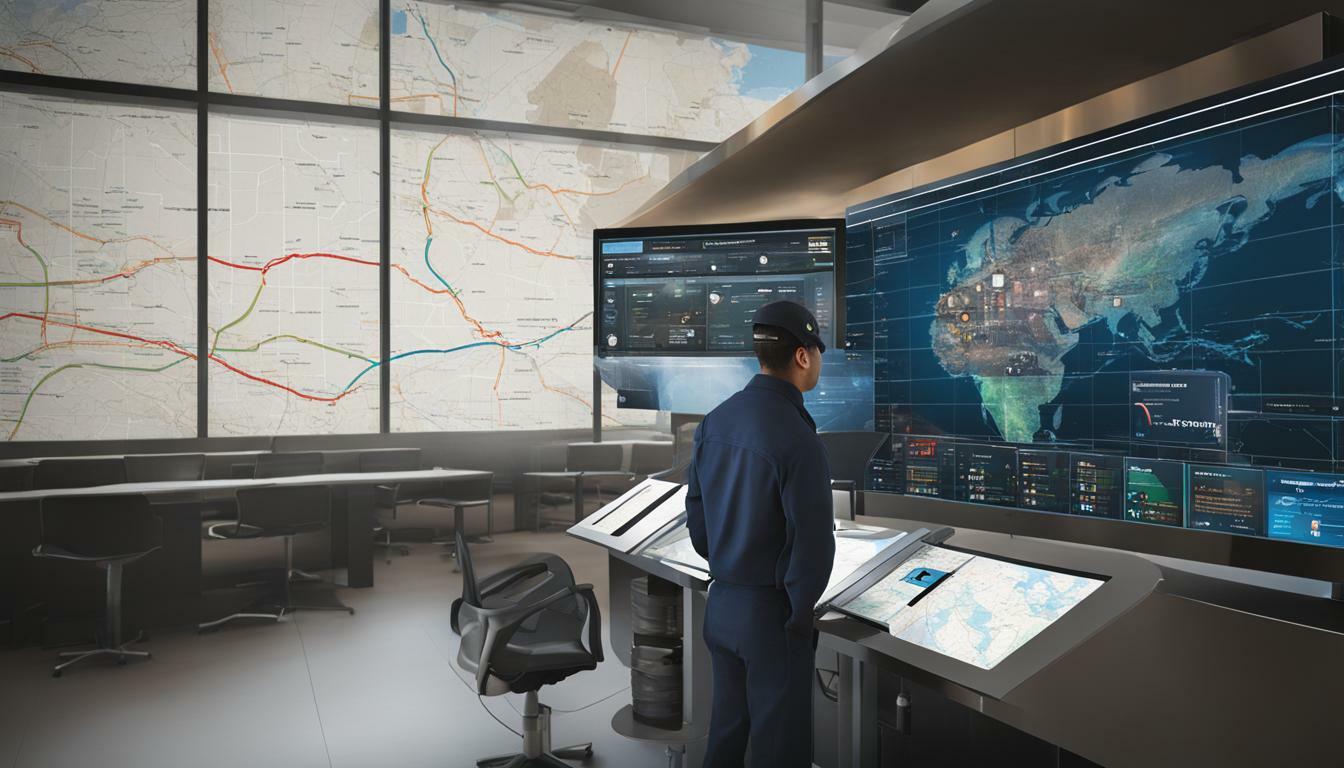
Navigating the HVAC industry without the aid of dispatch software presents significant challenges for companies striving for efficiency and customer satisfaction. Many HVAC businesses continue to rely on outdated manual systems, which can lead to unnecessary complications and hinder growth potential. The absence of streamlined processes can create a multitude of operational pain points that directly affect service delivery and overall productivity.The drawbacks of operating without dispatch software are particularly evident in areas such as scheduling, communication, and data management.
HVAC companies often face difficulties in tracking technician availability and job assignments, resulting in increased response times and missed appointments. This inefficiency can lead to customer dissatisfaction and a tarnished reputation. Furthermore, the manual dispatch process frequently involves cumbersome paperwork and disjointed communication, exacerbating the likelihood of errors.
Pain Points in Manual Dispatch Processes
Manual dispatch processes are fraught with challenges that can severely impact an HVAC company’s bottom line. The following points highlight some of the most common operational pain points experienced by businesses not utilizing dispatch software:
- Increased Scheduling Conflicts: Without a centralized system, scheduling conflicts often arise, leading to wasted time and resources.
- Lack of Real-Time Updates: Technicians may not receive timely information about job changes, which can result in delays and customer frustration.
- Difficulty in Performance Tracking: Tracking technician performance and job completion rates becomes cumbersome without automated reporting tools.
- Higher Risk of Errors: Manual data entry is prone to mistakes, which can lead to incorrect invoicing or service details, affecting customer trust.
- Limited Customer Interaction: Inefficient communication methods hinder the ability to provide updates and engage with customers effectively.
Comparative performance metrics demonstrate a stark contrast between companies utilizing dispatch software and those that continue with traditional methods. Research indicates that organizations leveraging dispatch technology experience a notable increase in efficiency. For instance, companies using dispatch software often report up to a 25% improvement in response times and a 30% decrease in operational costs, as they can allocate resources more effectively and reduce paperwork.
This efficiency not only fosters enhanced customer relationships but also allows for increased revenue generation through better service delivery and optimized scheduling.
The Benefits of Integrating Mobile Technology with HVAC Dispatch Software
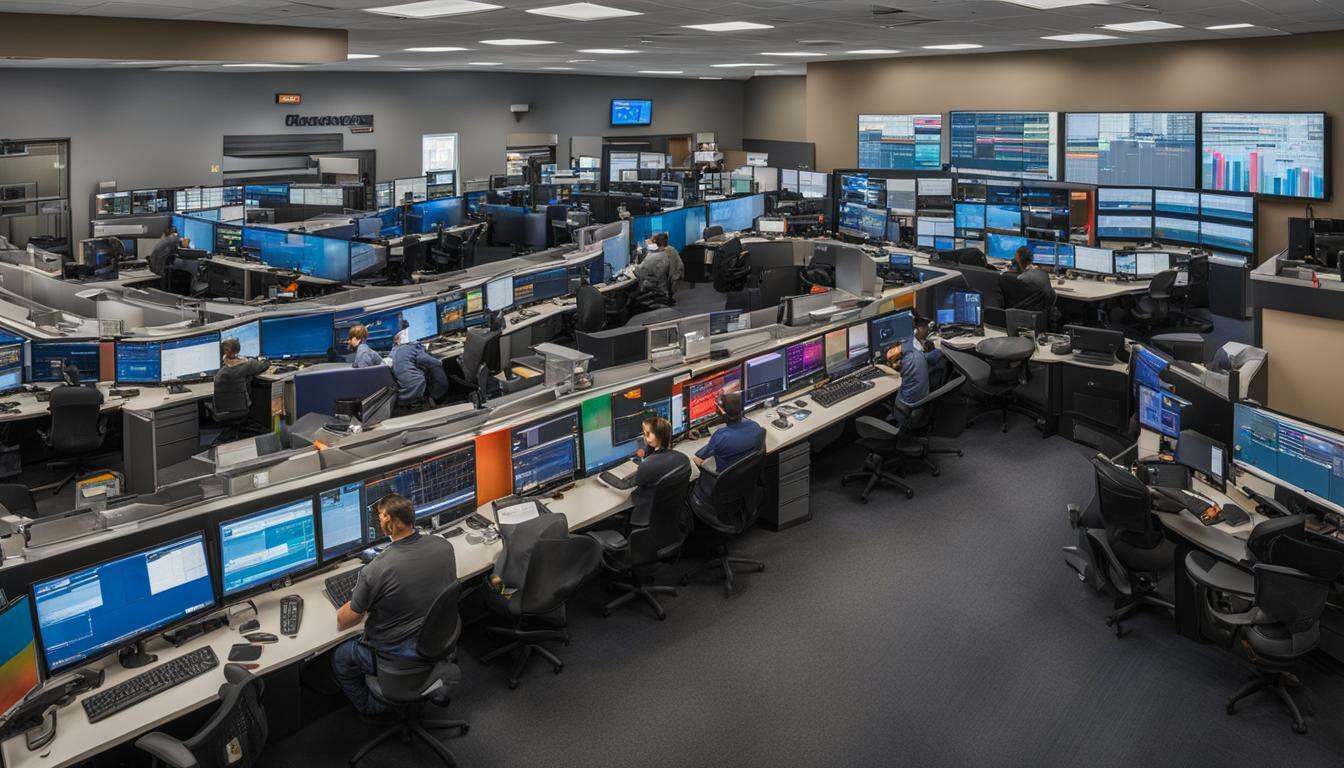
The integration of mobile technology with HVAC dispatch software has transformed the industry by enhancing operational efficiency and improving customer satisfaction. As HVAC technicians increasingly rely on mobile devices, the functionality of dispatch software has evolved to meet their needs in real-time situations. This synergy not only streamlines processes but also elevates the overall service experience.Mobile technology significantly enhances the functionality of HVAC dispatch software by enabling technicians to access critical information on-the-go.
This includes work orders, client histories, and inventory details, all from their smartphones or tablets. With mobile access, technicians can update job statuses, clock in and out, and communicate with the dispatch team directly from the field. Such capabilities reduce delays and ensure that all parties stay informed throughout the service process, ultimately leading to more efficient operations.
Advantages of Real-Time Updates and Communication in the Field
Real-time updates and communication play a crucial role in field operations. The ability to receive immediate notifications regarding job changes, customer requests, or emergency situations allows HVAC technicians to respond swiftly and effectively. This access to live data minimizes the risk of errors and ensures the smooth flow of information between the office and field operations.
-
Increased responsiveness to customer needs enhances service quality and builds trust.
-
Reduction in miscommunication leads to fewer errors and rework, saving time and resources.
-
Real-time tracking of technicians helps optimize routes and improve time management.
Popular Mobile Features Beneficial for HVAC Technicians
Integrating mobile technology into HVAC dispatch software provides various features that empower technicians. These functionalities enhance productivity and the overall service delivery process. When assessing the essential features that HVAC technicians benefit from, consider the following:
- Mobile Work Orders: Technicians can access and manage work orders directly from their mobile devices, ensuring they have all necessary details at their fingertips.
- GPS Navigation: Built-in navigation tools help technicians find the fastest route to job sites, reducing travel time and enhancing efficiency.
- Customer Communication Tools: Integrated messaging systems allow technicians to communicate with customers, keeping them informed about arrival times and service updates.
- Inventory Management: Mobile access to inventory levels ensures that technicians know what materials are available and can track usage in real-time.
- Digital Signature Capture: Customers can sign off on completed work directly on the technician’s mobile device, expediting invoicing and confirmation processes.
How HVAC Dispatch Software Can Improve Workforce Management
The integration of HVAC dispatch software into daily operations significantly enhances workforce management capabilities. With its sophisticated scheduling and tracking features, this software is essential for HVAC companies aiming to optimize technician assignments and improve overall efficiency.Effective HVAC dispatch software aids in the systematic allocation of technician assignments, ensuring that jobs are assigned based on real-time data such as location, availability, and skill set.
This capability allows dispatchers to make informed decisions quickly, reducing downtime and increasing productivity. By having access to a centralized platform where all technician schedules can be viewed, supervisors can efficiently manage workloads and respond to customer requests without unnecessary delays.
Impact of Optimized Workforce Management on Operational Costs
Optimizing workforce management through dispatch software has significant implications for reducing operational costs. By streamlining scheduling processes and minimizing travel time, HVAC companies can achieve efficiency that translates into cost savings. Here are some of the key benefits of optimized workforce management:
- Reduced Overtime Costs: Effective scheduling helps to distribute work evenly among technicians, thereby minimizing the need for overtime and additional labor costs.
- Decreased Fuel Expenses: By assigning jobs based on proximity, dispatchers can reduce travel times, leading to lower fuel consumption and vehicle maintenance costs.
- Enhanced Job Completion Rates: When technicians are scheduled efficiently, they can complete more jobs in a day, leading to increased revenue opportunities without proportionately increasing expenses.
The deployment of HVAC dispatch software also positively influences employee satisfaction. Technicians benefit from clearer schedules and reduced workloads, which helps to alleviate stress. For instance, scheduling software allows technicians to have visibility into their assignments, enabling better work-life balance. This transparency fosters a more satisfied workforce, as employees feel valued and respected when their time is managed effectively.Utilizing HVAC dispatch software is not just about managing jobs; it is about streamlining processes that contribute to employee morale and operational efficiency.
Check best employee engagement software to inspect complete evaluations and testimonials from users.
By implementing such technologies, HVAC companies can enhance their performance while creating a positive work environment that retains skilled technicians.
The Future Trends of HVAC Dispatch Software Development
The HVAC industry is continuously evolving, driven by technological advancements and shifting consumer expectations. As the landscape changes, HVAC dispatch software is at the forefront, adapting to meet new demands. Understanding these trends is crucial for businesses aiming to stay competitive and efficient in this dynamic environment.Among the most notable trends shaping the future of HVAC dispatch software are the integration of artificial intelligence (AI), enhanced data analytics capabilities, and the move towards cloud-based solutions.
These advancements are not only improving operational efficiencies but are also transforming how companies manage customer interactions and service delivery.
Artificial Intelligence Integration
The integration of artificial intelligence into HVAC dispatch software is poised to revolutionize how companies operate. AI can automate scheduling, predict maintenance needs, and improve customer service through chatbots and virtual assistants.
Predictive Maintenance
By analyzing historical data and real-time inputs, AI can forecast equipment failures before they occur, allowing businesses to proactively address issues, minimizing downtime and service interruptions.
Optimized Routing
AI algorithms can analyze traffic patterns and job locations to optimize technician routes, ensuring timely arrivals and reducing fuel costs.
“Implementing AI in dispatch operations can result in a 20% increase in efficiency and significant cost savings.”
Enhanced Data Analytics Capabilities
The future of HVAC dispatch software is leaning heavily towards advanced data analytics, allowing businesses to harness the power of their data for better decision-making.
Performance Metrics
Expand your understanding about hr software for small companies with the sources we offer.
Companies can track key performance indicators (KPIs) such as response times, job completion rates, and customer satisfaction levels, enabling them to pinpoint areas for improvement.
Market Trends
By analyzing market data, HVAC companies can identify emerging consumer preferences and adjust their service offerings accordingly, ensuring they remain competitive.
“Data-driven decision-making is essential for HVAC businesses looking to thrive in an increasingly competitive market.”
Cloud-Based Solutions
The shift towards cloud-based HVAC dispatch software is another key trend that is reshaping the industry. Cloud solutions offer scalability, flexibility, and enhanced collaboration among teams.
Remote Accessibility
Technicians can access job information from any mobile device, enabling them to update statuses in real-time and provide customers with immediate feedback.
Cost Efficiency
Cloud solutions can reduce the need for expensive on-premises infrastructure, allowing companies to invest more in service quality and innovation.
“Cloud technology facilitates a more connected and responsive HVAC service model.”
Importance of Adaptability in HVAC Businesses
As these trends continue to emerge, adaptability becomes crucial for HVAC businesses. Companies that embrace change and invest in the latest technologies will be better positioned to meet customer demands and navigate industry challenges.
Training and Development
Investing in staff training on new software technologies ensures that employees can fully leverage the capabilities of advanced dispatch systems.
Customer-Centric Approach
By adapting to consumer needs and preferences through feedback and data insights, HVAC businesses can enhance customer satisfaction and loyalty.
“Adaptability is not just an advantage; it’s a necessity for survival in the HVAC industry.”
Evaluating HVAC Dispatch Software Options
Selecting the right HVAC dispatch software is crucial for enhancing operational efficiency and improving customer service. As the market is flooded with numerous options, a systematic approach for evaluation helps businesses choose a solution that aligns with their specific needs and goals. By understanding the selection criteria and methods to compare different software solutions, companies can make informed decisions that positively impact their overall performance.When considering HVAC dispatch software options, it is essential to establish specific criteria that cater to the unique requirements of your business.
Factors such as ease of use, integration capabilities, cost, customer support, and scalability should be taken into account to ensure that the chosen software not only meets current needs but also adapts to future growth.
Criteria for Selecting HVAC Dispatch Software
Identifying the right software starts with a clear understanding of your business requirements. Below are critical criteria that should guide your selection process:
- User-Friendliness: The software should have an intuitive interface, making it easy for employees to learn and navigate without extensive training.
- Integration: Compatibility with existing systems, such as accounting software or customer relationship management (CRM) tools, can save time and reduce data entry errors.
- Cost: Consider not only the initial investment but also ongoing costs, including maintenance, updates, and potential scaling expenses.
- Customer Support: Reliable customer support can make a significant difference in resolving issues quickly, thus minimizing downtime.
- Scalability: The solution should be able to grow with your business, accommodating an increasing number of users, features, and functionalities as needed.
Methods for Comparing Software Solutions
To effectively evaluate different HVAC dispatch software options, businesses can employ several methods. Utilizing a structured comparison framework enables a clearer perspective on what each option offers and how they stack up against each other.
- Feature Comparison Matrix: Create a matrix that lists out essential features side by side for each software option. This visual aid makes it easier to see distinctions and similarities.
- Trial Versions: Many software providers offer free trials. Testing the software firsthand allows businesses to assess usability and functionality before making a commitment.
- User Reviews and Testimonials: Researching user feedback on platforms like Capterra or G2 can provide insights into other businesses’ experiences and satisfaction levels.
- Vendor Demonstrations: Schedule demonstrations with vendors to see the software in action, focusing on how it addresses your specific needs and workflows.
Pros and Cons of Various HVAC Dispatch Software Options
Understanding the advantages and disadvantages of different software solutions can help businesses make more informed choices. Below is a summary table that Artikels some popular HVAC dispatch software options, along with their pros and cons.
Discover how manufacturing management software has transformed methods in this topic.
| Software | Pros | Cons |
|---|---|---|
| ServiceTitan |
|
|
| Jobber |
|
|
| Housecall Pro |
|
|
Concluding Remarks
In summary, the integration of hvac dispatch software represents a pivotal shift in how HVAC companies operate and interact with their customers. As businesses continue to embrace these technological advancements, they not only enhance their operational capabilities but also elevate the customer experience. The future holds exciting possibilities for this software, promising to further revolutionize the HVAC landscape with new features and functionalities.
Detailed FAQs
What is HVAC dispatch software?
HVAC dispatch software is a tool designed to manage and streamline the scheduling, dispatching, and tracking of HVAC technicians and service calls.
How does HVAC dispatch software improve customer service?
It enhances customer service by providing real-time updates, improving communication, and allowing for quick responses to customer needs.
Can HVAC dispatch software be integrated with other tools?
Yes, most HVAC dispatch software can integrate with other tools such as customer relationship management (CRM) systems and accounting software for seamless operations.
Is HVAC dispatch software suitable for small businesses?
Absolutely, HVAC dispatch software is scalable and can be tailored to meet the needs of small businesses as well as larger enterprises.
What should I look for when choosing HVAC dispatch software?
Key factors include user-friendliness, essential features, integration capabilities, customer support, and pricing.