hris small business is a pivotal tool that can revolutionize how small enterprises manage their human resources. By integrating a Human Resource Information System (HRIS), small businesses can simplify processes, improve data management, and enhance employee interactions. With the right system in place, they can transform HR tasks into streamlined operations that drive productivity and growth.
This discussion will explore the fundamental role of HRIS in small businesses, outlining its features, benefits, and the common challenges faced during implementation. We’ll provide practical insights into selecting the right HRIS and how it can foster employee engagement, retain talent, and adapt to future trends.
Understanding the Role of HRIS in Small Businesses
In today’s fast-paced business environment, small businesses are increasingly recognizing the value of Human Resource Information Systems (HRIS). These systems serve as a vital backbone for managing employee data and streamlining HR processes, ultimately contributing to organizational growth and efficiency.HRIS is a software solution that integrates various HR functions into a single platform, allowing small businesses to manage information related to employee records, payroll, benefits administration, recruitment, and performance management.
By automating these processes, HRIS minimizes the administrative burden on small business owners and HR personnel, enabling them to focus on strategic initiatives rather than day-to-day operations.
Key Features of HRIS Beneficial to Small Enterprises, Hris small business
Implementing an HRIS can provide several advantages specifically tailored to the needs of small businesses. The following key features are particularly beneficial:
- Employee Self-Service Portal: This feature allows employees to access their information, such as pay stubs and benefits, without needing to contact HR. It fosters transparency and reduces administrative workload.
- Automated Payroll Processing: HRIS streamlines payroll management, ensuring accurate and timely payments while minimizing errors. This is crucial for maintaining employee satisfaction.
- Compliance Tracking: HRIS helps small businesses stay compliant with labor laws and regulations by automatically updating policies and tracking necessary documentation.
- Recruitment and Onboarding Tools: These tools simplify the hiring process by allowing businesses to track applicants, schedule interviews, and facilitate smooth onboarding experiences for new hires.
- Performance Management Systems: By integrating performance tracking and feedback mechanisms, HRIS supports employee development and aligns individual goals with organizational objectives.
The implementation of HRIS has led to significant improvements in operational efficiency for many small businesses. For example, a local manufacturing company adopted an HRIS to manage its workforce of 50 employees. They reported a 30% reduction in time spent on payroll processing and a marked improvement in employee engagement due to enhanced communication channels.Another example is a small marketing agency that utilized an HRIS to centralize employee data and automate recruitment efforts.
This led to a streamlined hiring process, reducing time-to-hire by 25 days and allowing the agency to focus more on client work and business development.As these examples demonstrate, the integration of HRIS into small business operations not only enhances efficiency but also contributes to a more engaged and productive workforce.
Identifying the Benefits of HRIS for Small Business Operations: Hris Small Business

Implementing a Human Resource Information System (HRIS) in small businesses can significantly enhance operational efficiency and employee management. By centralizing HR functions, businesses can streamline processes and improve overall productivity. This section highlights the key benefits of employing HRIS and its impact on various aspects of small business operations.
Key Advantages of HRIS in Small Businesses
Utilizing HRIS offers numerous advantages that can propel small businesses toward better management and growth. Here are three significant benefits:
- Increased Efficiency: HRIS automates routine tasks such as data entry, payroll processing, and benefits management, allowing HR personnel to focus on strategic initiatives rather than administrative duties.
- Improved Data Accuracy: With centralized data storage and automated calculations, HRIS minimizes human errors associated with manual data handling. This enhances the integrity of payroll and employee records, which is crucial for compliance.
- Enhanced Reporting Capabilities: HRIS provides robust reporting tools that allow small businesses to analyze HR metrics easily. This helps in making informed decisions regarding hiring, employee performance, and overall workforce management.
Streamlining Payroll, Benefits, and Compliance Management
An effective HRIS solution simplifies payroll, benefits administration, and compliance management, which can be particularly daunting for small businesses.
- Payroll Processing: HRIS automates the payroll process by calculating wages, taxes, and deductions accurately and on time. This not only reduces the workload for HR staff but also ensures employees are paid correctly and promptly.
- Benefits Administration: HRIS systems typically include modules for managing employee benefits. This allows businesses to easily enroll employees, track benefit usage, and communicate options, enhancing employee satisfaction and retention.
- Compliance Management: HRIS helps in maintaining compliance with labor laws and regulations. Automated alerts and reminders ensure that important deadlines, such as tax filings and benefits renewals, are not missed.
Comparison of Traditional HR Methods vs. Digital HRIS Solutions
Transitioning from traditional HR methods to HRIS solutions marks a significant improvement in how small businesses manage their workforce. Here’s a comparison that highlights the differences:
| Aspect | Traditional HR Methods | HRIS Solutions |
|---|---|---|
| Data Management | Manual record-keeping with paper files | Centralized digital database accessible anytime |
| Time Consumption | Time-intensive manual processing | Automated processes save time |
| Error Rate | Higher chances of human error | Reduced errors through automation |
| Reporting | Labor-intensive report generation | Instant and customizable reporting options |
| Scalability | Challenges in scaling operations | Flexible and scalable solutions accommodate growth |
Adopting an HRIS not only enhances operational efficiency but also supports better decision-making through accurate data analysis.
Common Challenges Small Businesses Face When Implementing HRIS
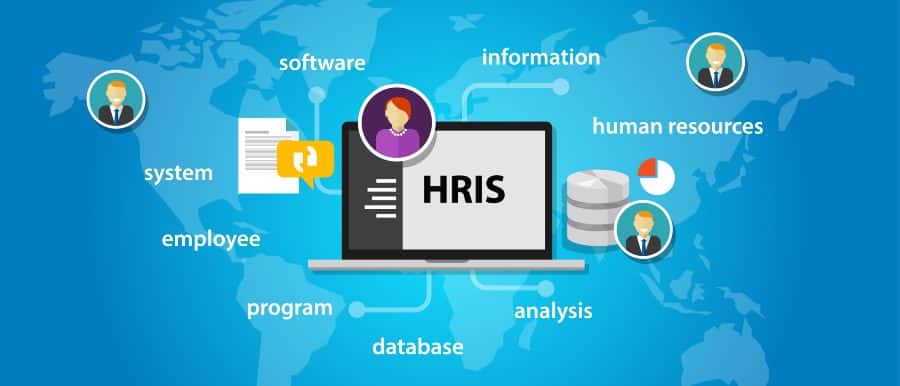
Implementing a Human Resource Information System (HRIS) can significantly enhance efficiency and streamline operations for small businesses. However, the journey toward adopting such a system often comes with a set of challenges. Understanding these hurdles can help small business owners navigate the complexities of integration and ensure a smoother transition.One major obstacle small businesses encounter during HRIS integration is the limited resources available to them.
This includes financial constraints, which can greatly impact the choice of HRIS solutions. Additionally, the lack of technical expertise within the team can complicate the adoption process, requiring substantial training and support. Here, we will explore these common challenges in detail.
Budget Constraints Impacting HRIS Solutions
Budget limitations can significantly narrow the options available for small businesses when selecting an HRIS. Many small firms operate with thin margins, making it crucial to find a solution that balances functionality and cost.
- A comprehensive HRIS can come with a price tag that includes not only the software but also implementation, training, and ongoing maintenance costs.
- The initial investment might lead some businesses to consider cheaper, less robust systems, which can save money upfront but may lack essential features that support growth and compliance.
“Investing in a quality HRIS is not just a cost; it’s a strategic decision that can lead to long-term savings and improved efficiency.”
To effectively address budget constraints, small businesses should:
- Conduct thorough market research to identify HRIS providers that offer tiered pricing, allowing them to select a plan that fits their financial situation.
- Explore financing options or software-as-a-service (SaaS) models that provide flexibility in payment structures.
- Prioritize essential features that align with the business’s immediate needs, ensuring that funds are allocated wisely.
Technical and Training Challenges Associated with HRIS Adoption
Integrating a new HRIS can lead to technical challenges, especially for small businesses that may not have a dedicated IT department. Issues such as software compatibility, data migration, and system configuration can arise. Moreover, employees may require training to navigate the new system effectively.It’s essential to recognize the importance of investing in training and support to overcome these technical challenges:
- Many HRIS providers offer training modules and customer service support to ease the transition. Small businesses should take advantage of these resources.
- Creating a dedicated team or assigning a project manager to oversee the implementation process can help streamline communication and address any technical issues promptly.
“Effective training not only enhances employee proficiency but also boosts overall morale and confidence in using new technology.”
Additionally, implementing a phased rollout of the HRIS can be beneficial. This approach allows employees to acclimate gradually, giving the business time to address any issues that may arise without overwhelming staff.In summary, while small businesses face various challenges when implementing HRIS solutions, understanding and addressing these obstacles can lead to a successful integration that enhances operational efficiency.
Best Practices for Selecting an HRIS for Small Businesses

When selecting a Human Resource Information System (HRIS), small businesses must approach the decision with careful consideration of various criteria that directly impact their operations and future growth. A well-chosen HRIS can streamline processes, improve data management, and enhance employee satisfaction. This section Artikels best practices to guide small businesses in making an informed decision when selecting an HRIS.Scalability and customization are vital components in the HRIS selection process for small businesses.
As organizations grow, their HR needs may change significantly. An HRIS that can scale with the business ensures that it remains relevant and useful over time. Customization allows businesses to tailor the system to their specific needs, ensuring that unique processes and requirements are adequately addressed.
Criteria for Selecting an HRIS
It is essential for small businesses to consider several key criteria when choosing an HRIS. Here are the most critical factors to evaluate:
- User-Friendliness: The system should have an intuitive interface to minimize training time and facilitate easy adoption by employees.
- Integration Capabilities: Ensure that the HRIS can integrate seamlessly with other software platforms already in use, such as payroll systems, accounting software, and performance management tools.
- Cost-Effectiveness: Analyze the pricing model (subscription, one-time fee, etc.) and ensure it aligns with your budget, taking into account both upfront and ongoing costs.
- Technical Support: Evaluate the level of customer support provided, including availability of help resources, response time, and training options.
- Compliance Features: The HRIS should help maintain compliance with labor laws and regulations, especially for businesses operating in multiple locations.
- Scalability: The system should accommodate your business’s growth, allowing for the addition of new users, features, and functionalities without significant upgrades.
- Customization: The ability to tailor the HRIS to meet specific business needs is crucial for enhancing user experience and ensuring the system aligns with internal processes.
- Reporting and Analytics: Look for systems that provide robust reporting features, enabling data-driven decision-making through insights into employee performance and HR metrics.
Popular HRIS Options for Small Businesses
There are many HRIS options available that cater specifically to the needs of small businesses. Below is a comparison table showcasing popular solutions, their features, and pricing:
| HRIS Option | Key Features | Pricing |
|---|---|---|
| BambooHR | Employee self-service, applicant tracking, reporting, performance management | Starting at $99/month for up to 10 employees |
| Gusto | Payroll processing, employee benefits, compliance assistance, time tracking | Starting at $39/month + $6/employee |
| Zenefits | Benefits management, employee onboarding, document management, compliance tools | Starting at $10/employee/month |
| Paycor | Payroll, HR management, time and attendance tracking, reporting | Contact for pricing |
| Namely | HR management, payroll, benefits, performance review tools, employee engagement | Starting at $12/employee/month |
How HRIS Can Enhance Employee Engagement and Retention
The importance of employee engagement and retention cannot be overstated, especially in small businesses where every team member plays a crucial role in the organization’s success. An effective Human Resource Information System (HRIS) can significantly contribute to creating a more engaged workforce. By streamlining communication, understanding employee needs, and implementing targeted initiatives, HRIS serves as a powerful tool for enhancing employee satisfaction and loyalty.HRIS fosters improved employee communication and satisfaction by providing platforms for feedback, recognition, and collaboration.
With integrated communication features, employees can easily share their thoughts and concerns with management, making them feel valued and heard. Real-time updates and access to company information encourage transparency, which is essential for building trust within the team.
Utilizing HRIS Data to Identify Employee Needs and Preferences
One of the key advantages of HRIS is its ability to collect and analyze data that reveals employees’ needs and preferences. By leveraging this data, small businesses can tailor their engagement strategies to better align with what their employees truly desire.For instance, small businesses can analyze survey data within the HRIS to identify trends in employee satisfaction and areas that may require improvement.
This proactive approach enables HR teams to address potential issues before they escalate, enhancing overall workplace morale. Furthermore, tracking employee participation in various programs can help identify popular initiatives, allowing businesses to expand on successful areas.Implementing specific initiatives through HRIS can have a direct impact on employee morale and retention. For example, many small businesses have successfully established recognition programs that celebrate employee achievements.
By utilizing HRIS functionalities, these programs can be automated, making it easier to acknowledge outstanding contributions and fostering a culture of appreciation.Another effective initiative could be wellness programs, driven by insights gathered from employee feedback. By offering flexible schedules, fitness challenges, or mental health resources, small businesses can cater to the well-being of their workforce, demonstrating a genuine commitment to employee health.
“An engaged employee is one who feels valued, understood, and part of a larger mission.”
Overall, HRIS provides the framework for small businesses to not only understand but also respond to the evolving needs of their employees. By investing in these systems, businesses can create a supportive and engaging work environment that significantly enhances employee retention and satisfaction.
The Future of HRIS in Small Business Environments
As small businesses navigate the complexities of growth and competition, the role of Human Resource Information Systems (HRIS) continues to evolve. Emerging technologies promise to revolutionize how small enterprises manage their workforce, streamline processes, and enhance employee satisfaction. With advancements like artificial intelligence (AI) and automation becoming more accessible, small businesses are poised to leverage these tools for more efficient HR practices, while also facing new challenges in data security.The impact of emerging trends in HRIS technology is profound.
Small businesses can expect to see an increase in the adoption of cloud-based systems, which offer flexibility and scalability. These systems allow businesses to implement HR processes that are not only more efficient but also more aligned with the needs of modern employees. For instance, mobile HR applications enable employees to access their information, request time off, and communicate with HR from anywhere, fostering a more engaged workforce.
Advancements in AI and Automation
The integration of AI and automation into HRIS is transforming how small businesses handle various HR functions. These advancements bring about significant changes in several areas:
Recruitment
AI algorithms can analyze resumes and perform initial screening, significantly reducing the time spent on manual reviews. For example, platforms like HireVue utilize AI to assess candidate responses during video interviews, helping to identify top candidates more efficiently.
Employee Onboarding
Automated onboarding processes can guide new hires through necessary paperwork and training schedules, reducing the administrative burden on HR teams. This results in a smoother transition for new employees and a quicker path to productivity.
Performance Management
AI tools can track employee performance data in real-time, providing insights that help managers recognize top performers and identify areas for development. This approach supports fair evaluations and tailored professional growth plans.Utilizing these technologies allows small businesses to streamline operations while providing a better experience for employees.
Data Security Considerations
As small businesses adopt more sophisticated HRIS technologies, the importance of data security cannot be overstated. With the increase in data breaches and cyber threats, safeguarding employee information is crucial. Small businesses must prioritize the following practices to enhance data security:
Regular Software Updates
Keeping HRIS software up-to-date ensures that businesses benefit from the latest security patches and features designed to protect sensitive data.
Data Encryption
Encrypting data both at rest and in transit protects against unauthorized access and ensures that sensitive employee information remains confidential.
Access Controls
Implementing strict access controls allows businesses to limit who can view or edit sensitive HR data, reducing the risk of internal breaches.By embracing these practices, small businesses can mitigate risks associated with data security while fully benefiting from the innovative features of modern HRIS solutions.
“The future of HRIS is about creating environments that empower both businesses and their employees, fostering a culture of engagement, security, and efficiency.”
Closure
In summary, adopting an HRIS can significantly benefit small businesses by enhancing operational efficiency and employee satisfaction. By understanding the features, challenges, and future landscape of HRIS, small businesses can make informed decisions that support their growth. Embracing these technological advancements paves the way for a more organized, engaged, and successful workforce.
Commonly Asked Questions
What is HRIS?
HRIS stands for Human Resource Information System, a software solution that helps manage HR tasks and data.
How can HRIS benefit small businesses?
HRIS can improve efficiency in payroll, benefits management, and compliance, saving time and reducing errors.
What challenges do small businesses face with HRIS?
Common challenges include budget constraints, technical complexities, and the need for training staff on the new system.
Can HRIS be customized for small businesses?
Yes, many HRIS solutions offer scalable and customizable features tailored to the specific needs of small businesses.
How does HRIS enhance employee engagement?
HRIS fosters better communication, allows for feedback collection, and helps identify employee needs, leading to higher satisfaction and retention.