hr system for small business is key to unlocking the full potential of your team and enhancing operational efficiency. In today’s fast-paced business environment, small enterprises often juggle numerous responsibilities, making effective human resource management a challenge. An efficient HR system streamlines processes, allowing small businesses to focus on growth and employee engagement, rather than getting bogged down in paperwork and compliance issues.
With the unique challenges that small businesses face, such as limited resources and the need for personalized employee interactions, an HR system can be a game changer. It not only simplifies HR tasks like payroll and benefits management but also fosters a more organized and better-connected workplace. By exploring various HR systems available, you can find one that aligns perfectly with your business needs.
Importance of HR Systems for Small Businesses
In the competitive landscape of small businesses, an effective Human Resources (HR) system is a crucial component that can significantly enhance operational efficiency. Small businesses often juggle various responsibilities, and having a structured HR system simplifies processes, allowing owners to focus on growth and customer satisfaction. With the right HR tools, small businesses can streamline administrative tasks, improve employee engagement, and maintain compliance with labor regulations, ultimately leading to a more productive work environment.The significance of an HR system becomes particularly evident when considering the unique challenges small businesses face.
Unlike larger organizations that often have dedicated HR personnel, small businesses typically operate with limited resources. This lack of specialized HR support can lead to inefficient management of vital functions such as recruitment, payroll, and employee benefits. For instance, tracking employee hours or processing payroll manually can be time-consuming and prone to errors, resulting in decreased employee morale and potential compliance issues.
Additionally, small businesses may not have the expertise to navigate complex labor laws, risking costly penalties and legal complications.Several small businesses have successfully implemented HR systems, reaping substantial benefits that contribute to their growth and sustainability. For example, a local coffee shop utilized an HR software solution to manage employee schedules and payroll. By automating these processes, they reduced administrative hours significantly, allowing the owner to redirect time and energy toward customer engagement and product development.
Similarly, a small marketing agency adopted an HR system that improved their onboarding process. This transition led to quicker integration of new hires, fostering a cohesive team culture and enhancing overall productivity.The transformation in these businesses showcases how HR systems can alleviate operational burdens, enhance compliance, and improve workplace dynamics. By addressing the distinct challenges faced by small businesses, an HR system emerges as a valuable asset that drives efficiency and supports sustainable growth.
Essential Features of an Effective HR System
An effective HR system is a game-changer for small businesses, streamlining various human resource functions while enhancing employee experience. For small businesses aiming to optimize their operations, understanding the essential features of an HR system is crucial. These features not only facilitate daily HR tasks but also support strategic decision-making and help maintain compliance with labor laws.When evaluating HR systems, small businesses should consider certain critical features that can significantly impact productivity and employee satisfaction.
A powerful HR system should encompass capabilities like employee tracking, payroll management, benefits administration, performance evaluation, and robust reporting tools. Each of these features contributes to creating a seamless HR environment, enabling businesses to manage their workforce effectively and efficiently.
Key Features to Look For in HR Systems
The following features are fundamental to the functionality of an HR system, serving various needs within a small business.
| Feature | Description | Benefits |
|---|---|---|
| Employee Tracking | Allows management of employee information, attendance, and time-off requests. | Improves visibility of workforce availability and reduces scheduling conflicts. |
| Payroll Management | Handles employee compensation, tax deductions, and compliance with labor laws. | Minimizes errors, ensures timely payments, and maintains legal compliance. |
| Benefits Administration | Streamlines the management of employee benefits, such as health insurance and retirement plans. | Enhances employee satisfaction through accessible and well-managed benefits. |
| Performance Evaluation | Facilitates employee appraisals, goal-setting, and feedback collection. | Promotes a culture of continuous improvement and development. |
| Reporting Tools | Generates insights and analytics related to workforce metrics. | Supports informed decision-making and strategic HR planning. |
Implementing these features can dramatically improve HR processes within small businesses. For instance, robust employee tracking allows managers to monitor attendance more effectively, which can lead to improved productivity as it diminishes misunderstandings regarding time-off requests or working hours. Moreover, automating payroll management not only ensures compliance with labor laws but also alleviates the burden on HR professionals, allowing them to focus on strategic initiatives rather than clerical tasks.
“An HR system that integrates these essential features can transform how small businesses manage their workforce, fostering an environment of trust and efficiency.”
Benefits administration is another critical component. By providing employees with easy access to their benefits information, businesses can enhance employee satisfaction and retention rates. Ensuring that employees feel valued through well-managed benefits plays a pivotal role in maintaining morale and loyalty.In summary, the right HR system equipped with these essential features equips small businesses to streamline their operations, enhance employee engagement, and ultimately drive business growth.
Cost Considerations When Implementing an HR System
Implementing an HR system is a significant investment for small businesses, often requiring careful financial planning and analysis. While many small business owners may be hesitant to allocate funds towards such systems, understanding the potential costs and financial benefits can help in making an informed decision. The financial implications of adopting an HR system can vary widely depending on the type of system chosen, its features, and the scale of implementation.
An effective HR system can lead to considerable cost savings in the long run by streamlining HR processes, improving compliance, and enhancing employee productivity. By automating repetitive tasks, small businesses can reduce administrative work hours, allowing HR professionals to focus on strategic initiatives that foster growth and employee engagement.
Return on Investment (ROI) Factors from HR Systems
Utilizing an HR system can yield several return on investment factors that significantly outweigh the initial costs. These factors include:
Efficiency Gains
Automating HR tasks reduces time spent on manual processes, which can lead to lower labor costs.
Improved Compliance
By maintaining accurate records and ensuring adherence to labor laws, businesses can avoid costly fines and penalties.
Enhanced Recruitment
An effective HR system streamlines the hiring process, reducing the time and expense associated with filling vacancies.
Employee Retention
Better management of employee performance and engagement leads to lower turnover rates, which reduces hiring and training costs.
Training and Development
A robust HR system often includes tools for tracking employee development, ensuring that employees are trained effectively, thus improving productivity.Understanding the common costs associated with different types of HR systems is essential when budgeting for this investment. Below is a list of typical costs you might encounter:
- Software Purchase or Subscription Fees: Costs can vary significantly based on features and service providers, ranging from monthly subscriptions to one-time purchases.
- Implementation Costs: This includes initial setup, data migration, and system configuration, which may require professional assistance.
- Training Costs: Staff training is crucial for effective system use, and costs can include both time and resources allocated to training sessions.
- Maintenance and Support Fees: Ongoing costs for software updates, technical support, and troubleshooting.
- Custom Integration Costs: If the HR system needs to integrate with existing systems, additional costs for customization might apply.
Evaluating these costs against the potential ROI can provide a clear perspective for small businesses on the value of investing in an HR system.
Choosing the Right HR System for Your Business
Selecting the right HR system is a pivotal decision for small businesses. With the myriad of solutions available, it’s essential to understand what best aligns with your company’s unique size and industry needs. A thoughtfully chosen HR system can streamline your processes, enhance employee satisfaction, and ultimately drive your business forward.When choosing an HR system, consider the following criteria to ensure you select a solution that is tailored to your business size and industry:
Scalability
Ensure the system can grow with your business. A small business might start with a basic solution, but as you expand, your HR needs will evolve.
Industry-Specific Features
Different industries have unique HR requirements. Look for systems that offer tailored functionalities, such as compliance tracking for healthcare or project management tools for tech companies.
User-Friendliness
The system should be intuitive enough for all employees to use with minimal training. A complicated interface can lead to underutilization and frustration.
Integration Capabilities
Your HR system should seamlessly integrate with existing tools, such as payroll or accounting software, to streamline operations.
Customer Support
Reliable customer service is critical, especially for small businesses without dedicated IT personnel. Choose a provider that offers accessible support.
Comparison of Various HR Systems
Understanding the landscape of HR systems is crucial for making an informed decision. Below is a comparison of three popular HR systems based on features and pricing:
| HR System | Key Features | Pricing |
|---|---|---|
| Gusto | Payroll processing, employee self-service, benefits management | Starts at $39/month + $6/employee |
| Zenefits | Onboarding, time tracking, compliance management | Starts at $10/employee/month |
| BambooHR | Applicant tracking, performance management, reporting | Custom pricing based on company size |
These systems reflect varying features suited to different business needs and budgets. Gusto is great for companies prioritizing payroll, while Zenefits offers comprehensive onboarding solutions. BambooHR is ideal for businesses wanting robust performance management tools.
“The right HR system can enhance operational efficiency, reduce employee turnover, and foster a positive workplace culture.”
Case Study: A Small Business Example
A small marketing firm, Creative Minds, decided to implement Gusto for its HR needs. Initially, the firm struggled with payroll complexities and lacked an efficient onboarding process for new hires. After researching multiple options, they chose Gusto due to its user-friendly interface and comprehensive payroll functionality. The scalability of Gusto provided the reassurance that as the firm grew, their HR system would adapt without requiring a complete overhaul.
Within weeks of implementation, Creative Minds reported a notable decrease in administrative burdens, allowing them to focus on their core business activities, ultimately enhancing employee satisfaction and engagement.
Implementation Strategies for HR Systems

Implementing an HR system in a small business is a pivotal step toward streamlining operations and enhancing employee management. A well-planned implementation ensures that the system meets the company’s needs and that employees are comfortable using it. Here’s a step-by-step guide that walks through the essential stages of successful HR system implementation, along with common pitfalls and best practices for training employees.
Step-by-step Guide for HR System Implementation
To execute an effective HR system installation, follow these structured steps:
1. Assessment of Needs
Identify the specific HR challenges your business faces. This may include recruitment, payroll, performance management, or compliance issues. Gather input from various departments to ensure all needs are addressed.
2. Selection of HR Software
Research and choose an HR software that aligns with your identified needs. Consider features such as ease of use, scalability, customer support, and integration capabilities.
3. Budgeting and Financial Planning
Determine the costs associated with the software, including initial purchase, ongoing maintenance, and potential training expenses. Ensure that your budget accommodates these factors.
4. Formation of an Implementation Team
Assemble a team responsible for overseeing the implementation. This team should include members from HR, IT, and management to provide diverse insights and expertise.
5. Data Migration Planning
Plan how existing employee data will be migrated to the new system. This includes determining what data is essential, cleaning it up for accuracy, and ensuring compliance with data protection laws.
6. Configuration and Customization
Configure the HR system according to your business needs. Customize features and settings to align with your processes and policies.
7. Testing the System
Before going live, conduct thorough testing of the system. This includes running simulations and checking for any issues or bugs in the functionality.
8. Training Employees
Develop a training plan for all employees who will use the system. Training should be comprehensive, covering basic functions as well as advanced features.
9. Go Live and Support
Once testing is complete and users are trained, launch the system. Ensure ongoing support is available to address any issues that arise post-implementation.1
0. Feedback and Continuous Improvement
After the system is live, gather feedback from users to identify areas for improvement and make necessary adjustments.Common pitfalls during the implementation process include lack of user buy-in, insufficient training, and overlooking data integrity. To avoid these issues, involve employees in the selection process, provide ample training opportunities, and ensure data accuracy during migration.
Best Practices for Training Employees
Training employees on a new HR system is critical for successful adoption. Below is a table of best practices that can enhance the training process:
| Best Practice | Description |
|---|---|
| Hands-on Training | Provide practical sessions where employees can practice using the system in real-time. |
| Role-specific Training | Customize training sessions based on the specific functions different roles will perform within the HR system. |
| Access to Resources | Offer access to manuals, FAQs, and video tutorials that employees can refer to as needed. |
| Regular Check-ins | Schedule follow-up sessions to address questions and reinforce learning after the initial training. |
| Encouraging Feedback | Encourage employees to share their experiences and difficulties with the HR system for continuous improvement. |
The Role of HR Systems in Compliance and Risk Management
In today’s dynamic business environment, the importance of maintaining compliance with labor laws and regulations cannot be overstated, especially for small businesses. HR systems play a pivotal role in ensuring that these organizations not only adhere to legal standards but also manage risks effectively. By automating compliance processes and providing essential tools, HR systems can significantly mitigate potential legal issues that small businesses may face.HR systems assist small businesses by integrating compliance management features that track changes in labor laws, regulations, and organizational policies.
This ensures that organizations stay updated with the latest compliance requirements, reducing the risk of inadvertent violations. For example, an HR system can automatically update employee handbooks and policy documents when there are changes in employment legislation, ensuring that all staff members are informed promptly.
Compliance Management and Risk Mitigation Features, Hr system for small business
A well-structured HR system incorporates various features that facilitate compliance and enhance risk management strategies. Here are some of the key features that can benefit small businesses:
- Automated Record Keeping: HR systems can maintain accurate and secure records of employee data, including hiring documents, performance evaluations, and termination records. This documentation is crucial during audits or legal disputes.
- Compliance Alerts: Many HR systems provide alerts for upcoming compliance deadlines, such as filing annual reports or renewing employee training certifications, ensuring that businesses never miss important dates.
- Reporting Capabilities: These systems allow businesses to generate reports that showcase compliance with health and safety regulations, wage and hour laws, and more, simplifying the monitoring process.
- Employee Training Modules: HR systems often include training modules designed to educate employees about their rights and responsibilities under labor laws, significantly reducing the likelihood of violations.
For small businesses, compliance-related challenges may arise in various forms, including misclassification of employees, failure to provide mandatory training, or not adhering to health and safety regulations. For instance, a small restaurant may inadvertently classify waitstaff as independent contractors, which can lead to back taxes and penalties. An effective HR system can help rectify this by providing accurate classification tools and guidelines, ensuring the business remains compliant and minimizing potential legal repercussions.With the right HR system in place, small businesses can streamline their compliance efforts and significantly reduce risks associated with labor law violations.
Future Trends in HR Technology for Small Businesses
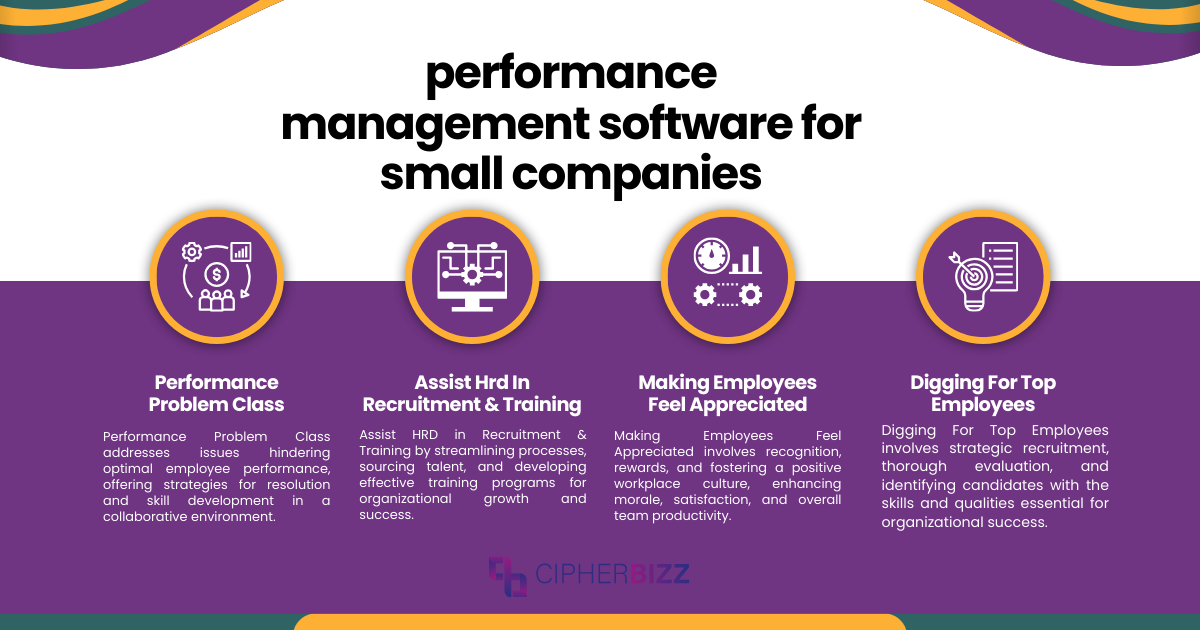
As the business landscape continues to evolve, small businesses must stay informed about emerging trends in HR technology to remain competitive and efficient. With innovative tools becoming increasingly accessible, these technologies not only streamline HR processes but also contribute significantly to enhanced employee experiences and organizational growth.The adoption of advanced technologies is reshaping the HR landscape, making it crucial for small businesses to leverage these trends.
The integration of artificial intelligence (AI) and automation is particularly noteworthy, as these tools can analyze data faster and provide insights that were previously difficult to gather. AI-powered chatbots can handle inquiries from potential employees, while automation streamlines repetitive tasks, freeing HR personnel to focus on strategic initiatives. Small businesses can thus benefit from greater efficiency, improved decision-making, and enhanced employee engagement.
Technologies Reshaping HR
Several key technologies are set to influence the way small businesses manage their HR functions. Keeping abreast of these innovations is essential for maximizing operational effectiveness:
Artificial Intelligence (AI)
AI is transforming recruitment processes by enhancing candidate screening and matching. By analyzing resumes and predicting candidate success based on historical data, AI helps small businesses identify the best fits more efficiently.
Automation
Routine HR tasks such as onboarding, payroll processing, and performance tracking can be automated through software solutions. Automation reduces human error and ensures compliance with regulations, allowing HR teams to focus on strategic goals.
Mobile Technology
The rise of mobile applications allows employees to access HR services on-the-go. From requesting time off to checking payslips, mobile technology fosters a culture of self-service, increasing employee satisfaction.
Data Analytics
Utilizing HR analytics tools enables small businesses to make data-driven decisions. By analyzing employee performance metrics and turnover rates, businesses can create targeted strategies for retention and engagement.
Cloud-based Solutions
Cloud technology ensures that HR systems are scalable and accessible from anywhere. This flexibility is particularly beneficial for small businesses looking to grow without being constrained by on-premise infrastructure.
Remote Work Tools
As remote work becomes normalized, HR systems are integrating features tailored to managing remote teams. Tools for virtual collaboration, performance tracking, and employee wellness are now essential components of HR technology.When considering future HR systems, small businesses can expect a range of features that will enhance their HR capabilities:
- AI-driven recruitment tools for improved candidate selection.
- Automated onboarding processes to streamline new employee integration.
- Comprehensive employee self-service portals for easier access to HR services.
- Enhanced mobile capabilities for HR functions accessible on smartphones.
- Integrated payroll and benefits management systems to simplify compensation processes.
- Advanced reporting and analytics to inform strategic HR decisions.
- Innovative tools for employee engagement and feedback collection.
- Compliance management features to ensure adherence to labor laws.
These trends indicate a future where HR technology becomes an integral part of small business strategy, enhancing not only operational efficiency but also contributing to a more engaged and satisfied workforce. Embracing these advancements will empower small businesses to navigate the complexities of the modern workplace effectively.
Integrating an HR System with Other Business Tools
An integrated HR system enhances the overall efficiency and productivity of small businesses by streamlining various operations. By facilitating seamless communication between HR functions and other business applications, organizations can achieve improved data accuracy and reduce redundancy. This integration becomes pivotal as it allows businesses to leverage their existing tools while benefiting from the robust capabilities of the HR system.
When an HR system is integrated with other business applications, it enables a smooth flow of information across departments, which is crucial for effective decision-making and operational efficiency. For instance, connecting the HR system with accounting software ensures that payroll processing is accurate and timely, while integrating with project management platforms can help in resource allocation and tracking employee performance on various tasks.
Benefits of Integrating HR Systems with Business Applications
Integrating an HR system with various business tools can significantly enhance workflow and operational performance. Below are some key integrations and their associated benefits:
| Business Tool | Integration Benefits |
|---|---|
| Accounting Software |
|
| Project Management Platforms |
|
| CRM Systems |
|
Integrating these systems not only enhances data flow but also leads to time savings and improved accuracy in reporting. This interconnectedness allows small businesses to make informed decisions quickly, based on comprehensive data from multiple sources.
“Integration of HR systems with other business applications is not just a convenience; it’s a strategic necessity that propels small businesses towards efficiency and growth.”
Closing Summary

In summary, implementing an hr system for small business is not just about keeping up with administrative tasks; it’s about creating a thriving environment where employees can excel. By understanding the importance of HR systems, their essential features, and how they can integrate seamlessly with existing tools, small businesses can enhance their operational efficiency and ensure compliance with labor regulations.
Ultimately, choosing the right HR system can lead to significant improvements in employee satisfaction and business success.
Q&A: Hr System For Small Business
What are the benefits of using an HR system for a small business?
An HR system improves efficiency, simplifies compliance, enhances employee engagement, and saves time on administrative tasks.
How do I choose the right HR system for my small business?
Consider your specific needs, budget, and the features offered by various systems to find the best fit for your business.
Can an HR system help with compliance issues?
Yes, HR systems often come with built-in compliance features that help ensure adherence to labor laws and regulations.
How much does an HR system typically cost?
Costs vary widely based on features and the number of employees, but many systems offer tiered pricing to accommodate small businesses.
Is it difficult to implement an HR system?
The implementation process can vary, but with proper planning and training, it can be smooth and beneficial for your business.