Best hr software for startups sets the stage for a crucial discussion in today’s tech-driven business environment. As startups emerge and grow, the reliance on efficient human resource management becomes increasingly important. With the right HR software, startups can streamline their processes, reduce administrative burdens, and foster a more productive workplace. From onboarding new hires to managing employee performance, these tools are essential for addressing the unique challenges faced by new businesses in a competitive landscape.
A well-chosen HR solution not only enhances operational efficiency but also supports strategic decision-making by providing valuable insights through data analytics. Therefore, understanding the features, costs, and integrations of various HR software options is vital for startups aiming for sustainable growth and success.
The importance of HR software for startups in today’s digital landscape: Best Hr Software For Startups

In the rapidly evolving business environment, startups are increasingly dependent on technology to handle their human resource functions efficiently. The integration of HR software into operations has become essential for managing the complexities associated with workforce management. With the digital landscape continuously expanding, relying on manual processes or outdated systems can hinder growth and productivity for new businesses.The growing reliance on technology for managing human resources is evident as startups aim to adapt to changing market dynamics.
Traditional HR methods can be inefficient and time-consuming, preventing teams from focusing on strategic initiatives. With the advent of robust HR software solutions, startups can automate essential tasks such as employee onboarding, payroll processing, and performance evaluations, thereby significantly reducing administrative burdens. This automation not only enhances operational efficiency but also allows HR professionals to dedicate more time to employee engagement and retention strategies.
Streamlining processes and improving efficiency
HR software solutions bring a myriad of advantages to startups, particularly in streamlining processes. By utilizing a centralized platform, businesses can manage various HR functions seamlessly. The key areas where HR software can enhance efficiency include:
Employee Onboarding
Streamlining paperwork and training schedules through digital solutions reduces the time to get new hires up to speed.
Time Tracking and Attendance
Automated systems simplify the process of logging work hours, managing leave requests, and tracking attendance, thus minimizing errors often associated with manual tracking.
Performance Management
Tools that facilitate regular feedback and performance reviews contribute to a more engaged workforce by promoting transparency and clear communication between employees and management.Startups encounter specific challenges in managing their human resources, such as limited budgets, the need for scalable solutions, and often a lack of in-house HR expertise. HR software can mitigate these challenges by providing cost-effective solutions that grow with the business.
Furthermore, these platforms often come with user-friendly interfaces that require minimal training, making it easier for small teams to adopt and leverage their full potential. By integrating HR software, startups can not only overcome the typical hurdles of workforce management but also foster a more dynamic and responsive organizational culture, positioning themselves for long-term success in a competitive marketplace.
Key features that define the best HR software for startups
In the fast-paced world of startups, leveraging technology to streamline operations is crucial for success. The best HR software offers tools that not only simplify HR tasks but also enhance overall productivity. Startups should prioritize essential features that cater specifically to their unique needs, enabling them to manage their workforce effectively from day one.A comprehensive HR software solution should encompass several key features that facilitate efficient employee management.
These tools help startups navigate hiring, onboarding, and employee development, ensuring they attract and retain top talent. Below is a detailed look at the essential features that startups should consider when selecting HR software.
User-friendly interface and ease of adoption
The impact of a user-friendly interface cannot be overstated, particularly for new teams that may lack extensive HR experience. An intuitive design fosters quicker adoption and minimizes the learning curve.
- Simplicity of navigation: A straightforward layout allows users to easily access features without extensive training.
- Customizable dashboards: Startups can tailor their dashboard to highlight the most relevant metrics and tools for their operations.
- Mobile accessibility: Ensures team members can manage HR tasks on the go, enhancing flexibility and responsiveness.
Startups benefit from software that integrates these user-friendly elements, making HR management less daunting and more efficient.
Employee management functionalities
Robust employee management functionalities are vital for startups looking to foster a positive workplace culture and maintain smooth operations. Effective HR software should include capabilities for managing employee data, performance tracking, and compliance.
- Centralized employee records: A single repository for all employee-related information simplifies data retrieval and management.
- Performance evaluation tools: Built-in systems for conducting reviews and gathering feedback help in aligning employee performance with company goals.
- Time and attendance tracking: Ensures accurate monitoring of hours worked, which is crucial for payroll and productivity analysis.
These functionalities support a structured approach to employee management, allowing startups to focus on growth while efficiently managing their human resources.
Onboarding processes
A streamlined onboarding process is essential for integrating new hires quickly and effectively. Startups should look for HR software that simplifies this critical phase, ensuring new employees feel welcomed and prepared.
- Automated workflows: These reduce manual tasks by automatically assigning onboarding checklists and training modules to new employees.
- Document management: Easy handling of contracts, tax forms, and other essential documents is necessary for compliance and record-keeping.
- Engagement tools: Features like welcome emails and social introduction platforms help foster connections between new hires and existing team members.
A well-designed onboarding feature not only enhances the new employee experience but also improves retention rates by setting a positive tone from the outset.
Cost considerations when selecting HR software for startups
When startups embark on their journey to select HR software, one of the most critical aspects they must navigate is the financial implications. Every penny counts in a startup environment, where budgets are often tight and resources limited. Understanding the cost structure of HR software is essential to making a wise investment that not only meets immediate needs but also aligns with future growth plans.
Cost considerations encompass several factors, including upfront expenses, ongoing subscription fees, and potential hidden costs that can arise over time. Startups should evaluate the financial commitment required for different HR solutions while considering the long-term benefits of automation and streamlined processes. Investing in the right HR software can lead to significant cost savings by reducing manual tasks, improving efficiency, and enhancing employee satisfaction.
Financial aspects of HR software selection
Several financial aspects are crucial for startups when selecting HR software. Understanding these can help ensure a balanced investment that supports both current operations and future scalability. Key points include:
- Upfront vs. ongoing costs: Many HR software solutions require an initial setup fee, which can vary widely based on the complexity and features offered. In addition to this, ongoing subscription fees are typically charged monthly or annually. Startups should assess their budget to determine which pricing model aligns best with their financial capabilities.
- Hidden fees: Costs can add up quickly with hidden fees such as training, customer support, and additional features. It’s crucial to review the terms and conditions carefully to uncover any potential extra costs that could affect the overall budget.
- Cost savings through automation: Invest in HR software that offers automation features. By automating repetitive tasks like payroll processing, employee onboarding, and compliance tracking, startups can significantly reduce labor costs and allocate resources more effectively.
- Scalability and growth potential: Startups need to choose HR software that can grow with them. Opting for a solution that offers tiered pricing based on the number of employees or specific features can ensure that costs remain manageable even as the company expands.
“Investing in the right HR software can lead to substantial cost savings by streamlining processes and enhancing employee productivity.”
Subscription models and pricing structures
Understanding the various subscription models and pricing structures can further aid startups in making informed decisions. Common models include:
- Per employee pricing: This model charges a monthly fee based on the number of employees using the software. It’s ideal for startups that anticipate growth, as costs will scale with the team size.
- Flat-rate pricing: Some solutions offer a fixed monthly or annual rate regardless of the number of employees. This can be beneficial for budgeting, but startups should ensure that the features provided are comprehensive enough to meet their needs.
- Freemium models: Certain HR software options provide basic functionalities for free, with the option to upgrade to premium features as the business requires. This allows startups to test the software without upfront costs, minimizing financial risk.
- Modular pricing: This structure allows startups to pay for only the features they need at the moment, adding more as their requirements grow. It provides flexibility that can be advantageous for managing costs effectively.
By considering these financial aspects and subscription models, startups can select HR software that not only fits their budget but also supports their overall business strategy.
Popular HR software options for startups and their unique benefits

In today’s fast-paced business environment, startups need robust HR solutions that can scale as they grow. The right HR software can streamline processes, improve compliance, and enhance employee engagement, making it an essential tool for new businesses. With various options available, identifying the most suitable HR software becomes crucial for ensuring streamlined operations and effective workforce management. When selecting HR software, startups should consider specific features that align with their unique needs, such as user-friendliness, scalability, and cost-effectiveness.
Below, we highlight several popular HR software providers, outlining their standout features that cater to the requirements of startups.
Comparison of Leading HR Software for Startups
To facilitate a better understanding of the best HR software options available in the market, the following table compares leading providers and their unique benefits:
| HR Software | Standout Features | Best For |
|---|---|---|
| Gusto | Simple payroll management, employee benefits, easy onboarding | Startups looking for an all-in-one solution |
| BambooHR | User-friendly interface, applicant tracking system, time-off tracking | Companies focusing on employee experience and culture |
| Namely | Customizable HR dashboards, integrations with other tools, compliance support | Startups needing tailored solutions |
Each of these software solutions addresses different needs for startups, ensuring they can manage HR functions efficiently while focusing on growth.
Gusto, Best hr software for startups
Gusto is a comprehensive HR software solution that simplifies payroll, benefits, and onboarding processes. Startups often struggle with complex payroll calculations and compliance requirements, and Gusto provides an intuitive platform that handles these functions seamlessly. With its user-friendly interface, startups can easily manage employee payments, automate tax calculations, and even offer benefits packages—all from one platform. This makes Gusto particularly appealing for new businesses looking to save time and resources while ensuring compliance.
BambooHR
BambooHR emphasizes user experience, making it a favorite among small businesses. Its standout features include an applicant tracking system, which streamlines the hiring process, and a time-off tracking tool that simplifies leave management. The software focuses on enhancing employee engagement and company culture, essential areas for startups aiming to build a strong team. Additionally, BambooHR’s reporting capabilities allow startups to gain valuable insights into their workforce, aiding in strategic decision-making.
Namely
Namely offers a customizable HR platform tailored to the specific needs of startups. Its key features include personalized HR dashboards and robust compliance support, which are crucial for new companies navigating employment laws and regulations. Namely also allows easy integration with other business tools, providing a cohesive ecosystem for managing HR functions. This flexibility makes Namely an attractive option for startups that require specialized solutions as they scale.
Integrating HR software with existing tools within a startup
In today’s fast-paced startup environment, choosing HR software that integrates smoothly with existing tools is crucial for maintaining an efficient workflow. As startups often rely on various software solutions—ranging from project management tools to communication platforms—ensuring compatibility can significantly enhance operational efficiency and employee satisfaction.Seamless integration of HR software with other tools not only streamlines processes but also improves data accuracy across platforms.
When systems communicate effectively, it minimizes the chances of errors that can occur with manual data entry or disparate software handling similar functions. This interconnectedness fosters better data sharing, reporting, and decision-making, ultimately driving productivity across the organization.
Importance of Compatibility with Other Software Tools
Startups typically utilize a variety of software applications to manage different aspects of their business. The importance of compatibility with these tools cannot be overstated. When HR software can integrate with existing solutions, it creates a unified ecosystem that enhances overall functionality. Key points to consider regarding compatibility include:
- Streamlined Processes: Integration allows for automatic synchronization of data, reducing the need for duplicate entries and saving time.
- Improved Data Accuracy: With seamless connectivity, the risk of data discrepancies is minimized, ensuring that all team members are working with the most current information.
- Enhanced Collaboration: When HR software integrates well with communication tools and project management platforms, it fosters better collaboration among team members, leading to improved engagement and efficiency.
- Cost Efficiency: Reducing redundancy through integration translates to lower operational costs and more efficient use of resources.
Best Practices for Effective Integration
To successfully integrate HR software into daily operations, startups should follow these best practices:
- Choose Compatible Software: Prioritize HR software options that are known for their compatibility with other popular tools utilized by startups, such as Slack, Trello, or Asana.
- Utilize APIs: Application Programming Interfaces (APIs) enable different software applications to communicate, making it easier to integrate and automate processes.
- Conduct Thorough Testing: Before fully implementing the HR software, conduct tests to ensure that the integration works as intended and that there are no glitches that could disrupt operations.
- Train Employees: Provide training sessions for employees on how to use the integrated systems effectively, ensuring that everyone understands the new processes and tools.
- Monitor Performance: Continuously assess the integration’s performance and gather feedback from users to make necessary adjustments and improvements.
By focusing on the integration of HR software with existing tools, startups can create a more cohesive, productive, and efficient working environment that supports their growth and success.
The role of customer support and community resources in choosing HR software for startups
In the fast-paced world of startups, the right HR software can significantly impact how companies manage their human resources. However, the effectiveness of this software often hinges on the level of customer support and the availability of community resources. Responsive customer support is not just a nice-to-have; it’s a critical factor that can facilitate smoother implementation and ongoing use of the software, providing a safety net for startups navigating the complexities of HR management.Customer support plays a vital role in ensuring that startups can quickly resolve issues, adapt to the software, and utilize its features effectively.
When startups encounter challenges, they need timely assistance to minimize downtime and maintain productivity. Moreover, community resources such as forums and user groups can serve as invaluable platforms for sharing experiences, troubleshooting solutions, and exchanging best practices.
Importance of Responsive Customer Support
The quality of customer support can make or break the experience of using HR software. Responsive customer support is essential for several reasons:
-
Quick resolution of issues ensures minimal disruption in HR processes.
- Access to knowledgeable representatives can help startups maximize the software’s potential.
- Training and onboarding support can ease the learning curve for users unfamiliar with the system.
- Proactive support can identify and resolve potential issues before they escalate.
Value of Community Resources and Forums
Community resources offer a unique advantage, enabling users to connect and share insights. These forums can be rich sources of information and support for startups:
- Users can share real-life experiences that provide practical tips and hacks.
- Forums often include threads where common problems are discussed, allowing for collaborative troubleshooting.
- A sense of community can foster networking opportunities, potentially leading to partnerships and collaborations.
- Access to user-generated content, such as tutorials and guides, can enhance understanding of the software.
Beneficial Support Resources for Startups
Startups can leverage various support resources to enhance their experience with HR software. These include:
- Live chat support for immediate assistance during critical moments.
- Comprehensive knowledge bases that offer detailed documentation and FAQs.
- Webinars and training sessions that provide in-depth learning opportunities.
- User communities and forums specific to the software for peer support and networking.
Future trends in HR software that startups should be aware of
As the landscape of HR technology continues to evolve, startups must keep a keen eye on emerging trends that could reshape their HR processes. The integration of innovative tools not only enhances efficiency but also supports the growth and adaptability of startups in a highly competitive market. Being aware of these trends allows startups to strategically position themselves for success while optimizing their human resource management.Advancements in AI and machine learning are at the forefront of transforming HR processes.
These technologies can analyze vast amounts of data to inform decision-making, streamline recruitment, and enhance employee engagement. By automating mundane tasks, HR professionals can focus on strategic initiatives that drive growth. Startups leveraging these technologies will gain a competitive edge in attracting and retaining top talent.
Emerging features in HR software
The future of HR software is likely to be characterized by several innovative features that address the unique needs of startups. The following elements are anticipated to become standard in future HR solutions:
- Predictive Analytics: Tools that utilize data to forecast employee performance and turnover rates, enabling proactive talent management strategies.
- Enhanced User Experience: Intuitive interfaces and mobile accessibility will become essential, ensuring that users can easily navigate software on diverse devices.
- Employee Self-Service Portals: Allowing employees to manage their profiles, benefits, and professional development will empower them and reduce administrative burdens.
- Integration with Collaboration Tools: Seamless integration with platforms like Slack, Microsoft Teams, and others to enhance communication and collaboration within teams.
- Remote Work Support: Features tailored to support remote work, including tools for virtual onboarding, team-building activities, and performance tracking.
- Continuous Feedback Systems: Platforms that facilitate regular feedback and performance check-ins, promoting a culture of transparency and growth.
“Startups that adopt HR software with integrated AI capabilities can expect improved recruitment outcomes and enhanced employee satisfaction.”
In conclusion, by embracing these advancements, startups can streamline their HR processes, foster a positive workplace culture, and position themselves for long-term success. Keeping abreast of these trends ensures that businesses are not only reactive but also proactive in adapting to changes in the workforce and technology landscape.
Ultimate Conclusion
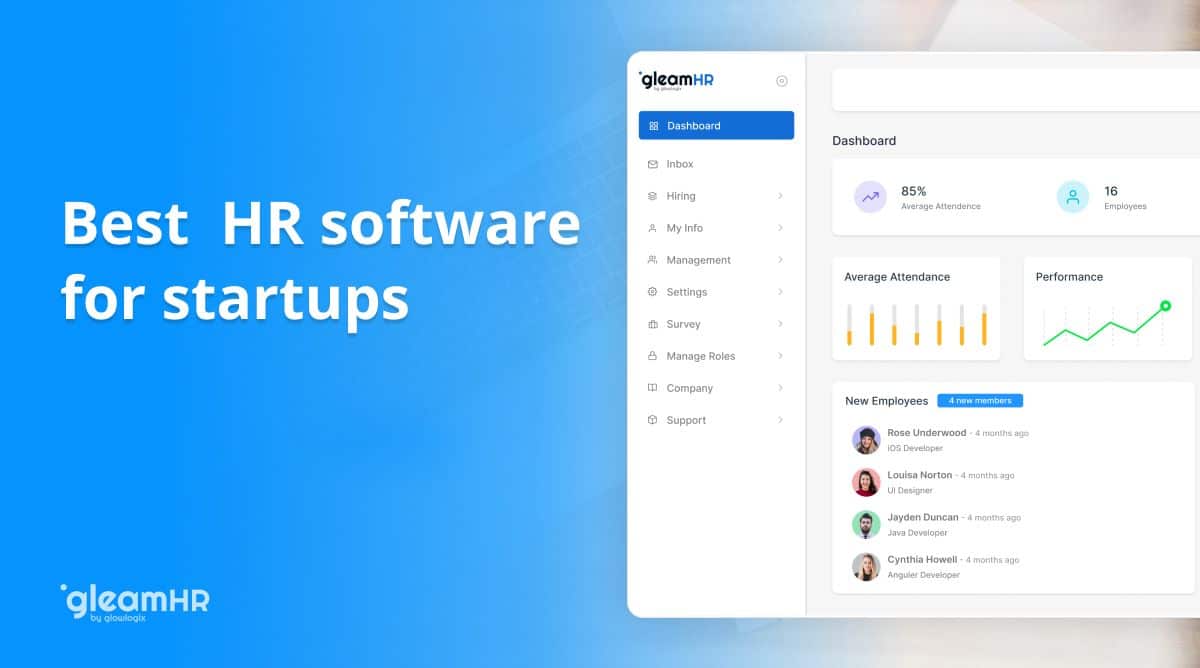
In summary, choosing the best HR software for startups is a pivotal decision that can significantly influence a company’s trajectory. By investing in the right tools, startups can navigate the complexities of human resource management with confidence, ensuring they are equipped to attract and retain top talent. As technology continues to evolve, staying informed about the latest trends and software capabilities will enable startups to leverage these tools effectively, ultimately leading to greater organizational success.
FAQ Section
What should startups look for in HR software?
Startups should prioritize user-friendly interfaces, robust employee management features, and flexible pricing models when selecting HR software.
How can HR software benefit startups financially?
HR software can reduce costs through automation, which streamlines processes and minimizes the need for extensive HR staff.
What are common integration challenges with HR software?
Startups may face compatibility issues with existing tools, making it essential to choose software that offers seamless integration capabilities.
How important is customer support for HR software?
Responsive customer support is crucial for effective implementation and ongoing use of HR software, especially for startups with limited resources.
What future trends should startups be aware of in HR software?
Emerging trends include AI-driven analytics and machine learning features that enhance HR processes and improve decision-making.