With hvac business management software at the forefront, businesses in the HVAC industry can effectively streamline their operations and enhance service delivery. This software is designed to optimize workflows, reduce administrative burdens, and ultimately improve customer satisfaction. By integrating various features tailored to the unique needs of HVAC companies, such software not only boosts operational efficiency but also paves the way for significant growth in a competitive market.
From automating routine tasks to facilitating better communication within teams, the right HVAC business management software can transform the way companies operate. As the industry evolves, understanding the impact of this technology becomes essential for any HVAC business aiming to thrive.
The Importance of HVAC Business Management Software in Streamlining Operations

In today’s fast-paced environment, HVAC businesses face numerous challenges in managing their operations effectively. HVAC business management software plays a crucial role in addressing these challenges, enhancing the overall efficiency of the enterprise. By automating various processes, companies can focus on delivering exceptional service to their clients while ensuring smooth internal operations. One of the key advantages of HVAC business management software lies in its ability to enhance operational efficiency.
This software integrates various functions, such as scheduling, inventory management, customer relationship management (CRM), and invoicing, into a single cohesive platform. This integration allows HVAC companies to reduce the time spent on administrative tasks, streamline communication, and ultimately improve service delivery.
Features That Enhance HVAC Business Management
The features of HVAC business management software significantly contribute to better management and operational efficiency. Below are some key features that play an essential role in streamlining HVAC operations:
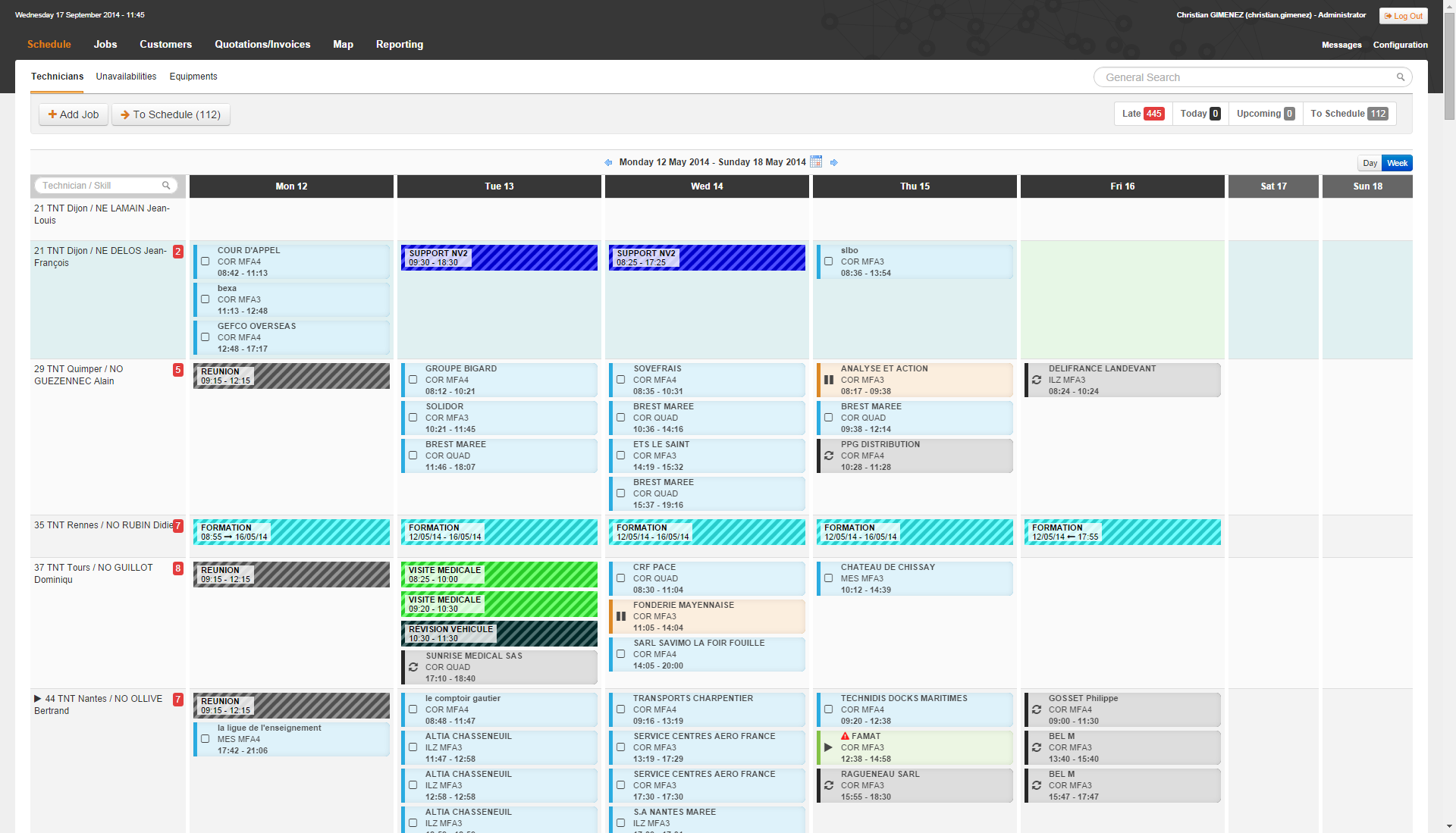
- Scheduling and Dispatching: Automates appointment scheduling, allowing technicians to optimize their routes and minimize travel time, leading to increased productivity.
- Inventory Management: Tracks inventory levels and automates reordering processes, ensuring that technicians have the necessary parts on hand for repairs, reducing delays in service delivery.
- Customer Relationship Management: Centralizes customer data, enabling HVAC businesses to provide personalized service and maintain strong client relationships, which enhances customer loyalty.
- Invoicing and Payment Processing: Streamlines billing processes, allowing for quicker payments and improved cash flow management, reducing manual errors associated with invoicing.
- Reporting and Analytics: Provides insights into business performance through customizable reports, aiding in decision-making and identifying areas for improvement.
The impact of these features on administrative burdens is profound. By automating repetitive tasks and centralizing vital information, HVAC business management software reduces the workload on staff, allowing team members to focus on core activities that drive growth. This not only enhances efficiency but also leads to improved service delivery by ensuring that technicians have all the necessary information at their fingertips, enabling them to respond promptly to customer needs.
“By leveraging HVAC business management software, companies can transform their operations, making them more agile and responsive to the demands of the industry.”
Key Features to Look for in HVAC Business Management Software
Selecting the right HVAC business management software can significantly enhance operational efficiency, customer satisfaction, and overall profitability. It’s crucial for HVAC companies to identify features that cater specifically to their unique requirements, ensuring that the chosen software aligns with industry standards and business goals.To maximize business efficiency, HVAC companies should prioritize the following essential functionalities when evaluating software options. These features not only streamline daily operations but also enhance customer interactions and improve service delivery.
Job Scheduling and Dispatching
Effective job scheduling and dispatching capabilities are vital for HVAC businesses. This feature allows companies to manage technician assignments efficiently, ensuring that the right person is dispatched to each job based on skills and availability. A well-designed scheduling system minimizes travel time, optimizes routes, and allows for real-time updates, which can significantly enhance service delivery.
Customer Relationship Management (CRM)
A robust CRM system tailored for HVAC businesses helps maintain and manage client relationships effectively. This feature enables tracking of customer interactions, service history, and preferences, allowing for personalized service and timely follow-ups. Implementing a good CRM can lead to higher customer satisfaction and retention rates, as well as facilitate effective marketing campaigns based on customer data.
Invoicing and Payment Processing
Streamlined invoicing and payment processing features simplify financial transactions for HVAC businesses. This functionality allows for quick generation of invoices, tracking payments, and managing accounts receivable. Automating these processes reduces administrative burdens and improves cash flow. Additionally, integrating various payment options can enhance customer convenience and satisfaction.
Inventory Management
Efficient inventory management is critical for HVAC companies to ensure they have the necessary parts and supplies on hand. This feature provides real-time tracking of stock levels, alerts for low inventory, and insights into ordering trends. Effective inventory management reduces overhead costs and helps prevent delays in service delivery due to stock shortages.
Reporting and Analytics
Advanced reporting and analytics capabilities allow HVAC businesses to gain insights into their operations, financial performance, and customer behavior. This feature helps identify trends, measure key performance indicators (KPIs), and make data-driven decisions for strategic planning. Utilizing detailed analytics can lead to improved operational efficiency and profitability.
Mobile Access
Mobile access is an essential feature that enables technicians to access the software remotely while on the job. This functionality allows for real-time updates, job status tracking, and customer communication, which enhances service efficiency. By providing technicians with mobile tools, HVAC businesses can improve response times and customer service levels.
“Investing in HVAC business management software with these key features can transform operations and enhance customer satisfaction.”
By focusing on these critical functionalities, HVAC companies can select the right business management software that not only meets their operational needs but also drives growth and efficiency in a competitive market.
Benefits of Automating HVAC Business Management Processes
Automation in HVAC business management is not just a trend; it’s a necessity for companies aiming to thrive in a competitive landscape. By integrating automated systems into daily operations, HVAC businesses can enhance efficiency, accuracy, and customer satisfaction. Automation reduces the burden on employees, allowing them to focus on more strategic tasks while minimizing the risk of human error.One of the most significant advantages of automation in the HVAC industry is its ability to reduce human error.
Examine how hr system for small business can boost performance in your area.
In a field where precision is crucial, even small mistakes can lead to substantial repercussions. Automation streamlines various processes, ensuring that tasks are completed consistently and accurately. With automated scheduling, inventory management, and billing processes, HVAC companies can maintain higher standards and prevent costly errors that can arise from manual data entry or miscommunication.
Reduction of Human Error
Automating processes within HVAC businesses significantly decreases the likelihood of errors. Manual entry of data or scheduling can often lead to inconsistencies, miscommunications, and mistakes. By implementing automated systems, companies can ensure that information is processed accurately every time. For example, automated scheduling software can prevent double-booking or scheduling conflicts, which commonly occur when relying on manual methods. Moreover, utilizing automated inventory management systems helps track stock levels in real-time, ensuring that technicians have the necessary parts and equipment readily available for jobs.
This reduces delays and improves service delivery.
Improved Customer Satisfaction and Retention
Customer satisfaction is paramount in the HVAC industry, where service quality can determine a company’s reputation and repeat business. Automation enhances the customer experience by providing timely responses, accurate updates, and streamlined communication.Through automated customer relationship management (CRM) systems, HVAC businesses can maintain detailed records of customer interactions, preferences, and service history. This allows for personalized service and proactive communication, such as reminders for maintenance checks or follow-up calls after service completion.
An automated feedback system can also gather customer insights systematically, helping businesses identify areas for improvement and adapt their services accordingly.
Examples of Processes Suitable for Automation
Several processes within HVAC companies can be effectively automated to improve efficiency:
Scheduling and Dispatching
Automated systems can optimize technician routes, assign jobs based on availability, and manage appointments, ensuring efficient use of resources.
Invoicing and Billing
Automated invoicing reduces the time spent on billing, minimizes errors in charges, and allows for quicker payment processing.
Inventory Management
Keeping track of stock levels, reordering supplies, and managing supplier relationships can all be automated, reducing the risk of running out of essential parts.
Customer Follow-ups
Automated follow-up messages can be sent after service appointments to gather feedback, confirm satisfaction, and schedule future maintenance.These automated processes not only streamline operations but also enhance the overall effectiveness of HVAC business management, positioning companies for sustainable growth and improved customer loyalty.
Integrating HVAC Business Management Software with Existing Systems
Integrating new HVAC business management software with legacy systems can significantly enhance operational efficiency and data accuracy. However, the integration process requires careful planning and execution to minimize disruptions and ensure compatibility with existing systems.The first step in integrating new software is assessing the current systems in place. This involves understanding the functionalities of legacy systems and identifying which processes will benefit from automation and improved features.
Following this assessment, a comprehensive plan should be developed, detailing the integration process step by step to ensure a smooth transition.
Steps for Successful Integration, Hvac business management software
A systematic approach to integration helps mitigate risks and operational downtime. Here are the key steps to successfully integrate HVAC business management software with existing systems:
- Evaluate Existing Systems: Review current software and tools to identify data formats, user needs, and compatibility requirements.
- Choose the Right Software: Select a management solution that offers compatibility with existing systems or provides APIs for integration.
- Plan Data Migration: Develop a strategy for transferring data from legacy systems to the new software, ensuring data integrity and completeness.
- Conduct Testing: Implement a testing phase where the new software operates alongside legacy systems to identify potential issues before full deployment.
- Train Staff: Provide training sessions for employees to familiarize them with the new system and its features, ensuring a smoother transition.
- Monitor and Optimize: After integration, continuously monitor system performance and make necessary adjustments to optimize efficiency.
Data migration is a crucial aspect of the integration process. It involves transferring data from one system to another, which can be complex and requires careful planning. Proper data mapping ensures that all necessary information is accurately transferred to the new system, preventing data loss or inconsistencies.
“A smooth data migration is critical to the success of software integration, significantly impacting operational effectiveness.”
Maintaining Compatibility Between Systems
To ensure ongoing compatibility between different software systems, it is essential to adopt best practices that facilitate seamless interactions. This includes:
Regular Updates
Keep all software up to date to prevent compatibility issues arising from outdated versions.
Utilizing APIs
Use Application Programming Interfaces (APIs) provided by most modern software solutions to create connections between different systems.
Vendor Support
Engage with software vendors for assistance with integration, updates, and troubleshooting to maintain optimal functionality.
Documentation
You also can investigate more thoroughly about best hr software for startups to enhance your awareness in the field of best hr software for startups.
Keep detailed documentation of integration processes and configurations for future reference.By following these guidelines and best practices, HVAC businesses can effectively integrate new management software with their existing systems, leading to improved performance, enhanced data visibility, and streamlined operations.
Cost Considerations When Investing in HVAC Business Management Software

Investing in HVAC business management software is a strategic decision that can significantly impact your company’s efficiency and profitability. Understanding the various costs associated with this investment is crucial for making an informed choice that aligns with your business goals. The major costs associated with implementing HVAC business management software typically include software licensing fees, installation or setup costs, training expenses, and ongoing maintenance fees.
Discover the crucial elements that make hris small business the top choice.
When evaluating these costs, it’s important to consider not just the immediate financial outlay, but also the potential long-term financial benefits that can arise from the software’s capabilities.
Major Costs Involved
Implementing HVAC business management software comes with several key expenses that need to be accounted for, including:
- Software Licensing Fees: These are the initial costs for purchasing the software, which can vary based on the features and size of your business. Monthly or annual subscription models are common, and understanding the pricing structure is vital.
- Installation and Setup Costs: Depending on the complexity of the software, there might be costs associated with installation and configuration to ensure it meets your specific business requirements.
- Training Expenses: Proper training for your staff is essential for maximizing the software’s capabilities. This could involve costs for training sessions or materials.
- Ongoing Maintenance Fees: Many software providers charge recurring fees for updates, technical support, and maintenance to keep the system running smoothly.
Long-term Financial Benefits
Investing in quality HVAC business management software offers numerous long-term financial benefits that can outweigh the initial costs. Some of these benefits include:
- Increased Efficiency: Automating scheduling, invoicing, and inventory management can significantly reduce the time spent on manual tasks, allowing your team to focus on core business activities.
- Improved Customer Satisfaction: Enhanced communication and service tracking can lead to better customer experiences, resulting in repeat business and referrals.
- Better Resource Management: Streamlined operations can lead to lower operational costs, as resources are utilized more effectively, reducing waste and improving your bottom line.
Potential ROI Calculation
Calculating the return on investment (ROI) for HVAC businesses that adopt management software is essential for justifying the expenditure. A simple formula to determine ROI is:
ROI = (Net Profit from Software – Software Cost) / Software Cost x 100
For instance, if a business invests $10,000 in HVAC management software and sees a net profit increase of $30,000 as a result, the ROI would be:
ROI = ($30,000 – $10,000) / $10,000 x 100 = 200%
This example illustrates how effective software can lead to significant profitability. Real-life case studies reveal that companies can expect to see a 20-30% increase in annual profits after implementing an efficient management system, showcasing the tangible benefits of investing in HVAC business management software.
Training and Support for HVAC Business Management Software Users
Implementing HVAC business management software can significantly enhance operational efficiency, but the transition must be smooth for the benefits to be fully realized. Comprehensive training for staff on new software is crucial for ensuring that all users are equipped with the knowledge and skills they need to utilize the system effectively. Proper training not only decreases the likelihood of errors but also boosts employee confidence and productivity.
Significance of Comprehensive Training
Providing thorough training is vital, as it enables staff to become proficient in using the software, leading to better overall performance. A well-structured training program typically includes the following aspects:
- Hands-on Workshops: Interactive sessions where employees can practice using the software in real-time scenarios, which solidifies their learning and helps them feel more comfortable.
- User Manuals and Guides: Detailed documentation that acts as a reference for employees when they encounter issues or need clarification on certain features.
- Online Tutorials: Video content or webinars that staff can access at their own pace, allowing them to revisit complex topics whenever necessary.
- Role-specific Training: Tailoring training sessions to different job functions ensures that every team member learns the features most relevant to their specific tasks.
Support Options After Implementation
After the software has been implemented, various support options should be readily available to assist users. These support mechanisms are essential for addressing issues that may arise and for maximizing the software’s effectiveness. Common support options include:
- Help Desk Access: A dedicated team that can respond to user inquiries, troubleshoot problems, and provide solutions on a timely basis.
- User Forums: Online communities where users can share experiences, ask questions, and offer solutions to common challenges.
- Regular Updates and Maintenance: Continuous software improvements that include bug fixes, upgrades, and new features, ensuring that users have the best tools available.
- Consultation Services: Access to expert consultants who can assist with best practices, strategies for system integration, and optimizing the use of the software.
Ongoing Support Enhancing Software Effectiveness
Ongoing support is a critical component for ensuring that HVAC business management software remains effective over time. Consistent support can help users adapt to changes and fully leverage new features that may be introduced. The following aspects highlight the importance of ongoing support:
- Continual Learning Opportunities: Regular training sessions can help users learn advanced features and new updates, ensuring they stay current with the software evolution.
- Feedback Mechanisms: Established channels for users to provide feedback on their experiences can lead to further improvements and tailor the software to meet user needs.
- Performance Monitoring: Regular assessments of software performance help identify areas for improvement and ensure that the software is meeting business objectives.
- Change Management Resources: Support for employees during transitions, whether it be software updates or shifts in business processes, to maintain workflow continuity.
Trends and Future Developments in HVAC Business Management Software
As HVAC businesses continue to evolve, the need for efficient management software becomes increasingly essential. The latest trends in HVAC business management software reflect a shift towards enhanced functionality, user-friendliness, and integration with emerging technologies. Understanding these trends is crucial for businesses looking to remain competitive in a rapidly changing industry.The HVAC sector is experiencing a technological transformation, driven by advancements in Artificial Intelligence (AI) and the Internet of Things (IoT).
These technologies are not only reshaping operational efficiencies but also enhancing the customer experience. HVAC software is becoming increasingly sophisticated, offering features like predictive maintenance and real-time data analytics, which can lead to more informed decision-making and improved service delivery.
Impact of AI and IoT on HVAC Software
The integration of AI and IoT into HVAC business management software is set to revolutionize the industry. These technologies allow for smarter and more automated solutions, leading to significant impacts on operations. Key aspects to consider include:
- Predictive Analytics: By leveraging AI, businesses can analyze historical data to anticipate equipment failures before they occur. For instance, systems can notify technicians when certain components show signs of wear, thus reducing downtime and maintenance costs.
- Smart Automation: IoT devices facilitate remote monitoring and control of HVAC systems. This allows businesses to automate routine tasks, such as scheduling maintenance or adjusting temperatures, leading to increased energy efficiency and cost savings.
- Enhanced Customer Interactions: AI-powered chatbots and virtual assistants can improve customer service by providing instant responses to inquiries, allowing HVAC companies to maintain higher levels of communication and satisfaction.
The ability to harness the power of AI and IoT can give HVAC businesses a significant edge. Staying updated with these advancements is vital for leveraging technology to improve operational efficiencies and customer engagement.
Preparing for Technological Advancements
As HVAC businesses look to integrate new technologies, several strategies can help them prepare effectively. Proactively addressing these changes will ensure they remain relevant and competitive. Important considerations include:
- Investing in Training: Continuous education and training for staff on new software and technologies will empower teams to utilize tools effectively. Training can enhance productivity and reduce errors in operations.
- Upgrading Existing Systems: Assessing and updating current systems to ensure compatibility with AI and IoT technologies is crucial. Businesses should evaluate their existing software infrastructure and make necessary upgrades to support new functionalities.
- Adopting a Cloud-Based Approach: Transitioning to cloud-based platforms allows for easier updates and access to advanced features without the need for extensive hardware investments. This approach also facilitates remote access, enabling employees to work from anywhere.
The ongoing evolution of HVAC business management software, particularly through the lens of AI and IoT, presents both challenges and opportunities. By embracing these trends and preparing adequately, HVAC businesses can position themselves for long-term success in an increasingly competitive marketplace.
Ending Remarks
In conclusion, investment in hvac business management software is not just about enhanced efficiency; it represents a strategic move towards sustainability and growth in the HVAC sector. As businesses adopt these solutions, they position themselves to meet future challenges head-on, ensuring they remain competitive in an ever-evolving landscape. Embracing the right tools can lead to increased customer loyalty, reduced operational costs, and a brighter future for HVAC businesses.
Top FAQs
What is HVAC business management software?
It is a specialized software designed to streamline operations, manage tasks, and enhance efficiency within HVAC businesses.
How can this software improve customer satisfaction?
By automating processes and improving communication, it helps deliver faster and more reliable services to customers.
What features should I look for when choosing HVAC business management software?
Key features include scheduling management, invoicing, customer relationship management, and reporting tools.
Is training necessary for using HVAC business management software?
Yes, comprehensive training ensures that staff can effectively utilize the software to maximize its benefits.
What are the long-term benefits of investing in this software?
Long-term benefits include reduced operational costs, improved service delivery, enhanced customer retention, and increased profitability.