Plumbing management software is revolutionizing the way plumbing businesses operate, pushing efficiency and service delivery to new heights. In an industry where time and resource management are crucial, this software acts as a game changer, allowing plumbing professionals to streamline operations, reduce costs, and enhance customer satisfaction. By integrating essential features tailored specifically for plumbing needs, these software solutions not only simplify scheduling and invoicing but also elevate overall business performance.
As plumbing businesses face increasing competition and customer demands, leveraging technology through plumbing management software has become a necessity rather than a luxury. From improving communication within teams to providing mobile access for technicians in the field, this software encapsulates a modern approach to plumbing management that fosters growth and sustainability.
The Importance of Plumbing Management Software in Today’s Industry
In today’s fast-paced plumbing industry, the use of plumbing management software has become a critical factor for success. This software not only streamlines operations but also enhances the overall efficiency of businesses. With the increasing demand for plumbing services, adopting such technologies has transformed how plumbing companies operate, making them more competitive and responsive to customer needs.Plumbing management software significantly reduces operational costs and improves service delivery by automating various tasks that were previously time-consuming and prone to error.
For instance, scheduling appointments, dispatching technicians, and managing inventory can all be handled efficiently through software solutions. This automation minimizes human error and ensures that resources are allocated effectively. As a result, plumbing businesses can offer faster response times, leading to improved customer satisfaction and retention.
Key Features of Plumbing Management Software
The capabilities of plumbing management software are vast, but certain key features make it indispensable for modern plumbing businesses. These features are designed to address the unique challenges faced within the industry, ensuring that companies can operate smoothly and enhance their service delivery.One of the standout features is job scheduling and dispatching, which allows managers to assign tasks to technicians based on their availability and location, thereby optimizing routes and reducing travel time.
Notice hr management software for small business for recommendations and other broad suggestions.
Additionally, customer relationship management (CRM) tools enable businesses to maintain detailed records of customer interactions, preferences, and service histories, fostering stronger customer relationships and personalized service.Another essential feature is inventory management, which helps track materials and tools efficiently, ensuring that technicians have what they need without overstocking or running out of critical supplies. This component not only saves money but also supports timely project completion.Furthermore, reporting and analytics tools provide valuable insights into business performance and customer satisfaction.
By analyzing data on service calls, technician performance, and customer feedback, plumbing companies can identify areas for improvement and make informed decisions.With mobile access, technicians can receive updates, access customer information, and log their work from the field, enhancing communication and accountability. This connectivity ensures that everyone in the team is on the same page, which is crucial for maintaining service quality.Incorporating plumbing management software into daily operations ultimately leads to a more organized, efficient, and customer-focused business model.
Embracing these technologies positions plumbing companies to adapt to market changes and meet evolving customer expectations, paving the way for sustained growth and success in a competitive landscape.
Essential Features of Plumbing Management Software
Plumbing management software serves as a pivotal tool for streamlining daily operations in the plumbing industry. With the ever-increasing demands of customers and the necessity for efficient processes, having a robust software solution can dramatically enhance productivity and service delivery. The right plumbing management software equips businesses with features that not only simplify tasks but also elevate customer satisfaction and overall efficiency.One of the primary advantages of plumbing management software is its ability to centralize various functions into a single platform.
This integration significantly reduces the time spent on administrative tasks, allowing plumbing professionals to focus more on their core work. The essential features of plumbing management software include scheduling, invoicing, customer management, and reporting tools. Each of these features plays a vital role in addressing common challenges faced by plumbing businesses.
Key Features Enhancing Productivity
The following features are crucial for elevating the operational efficiency of plumbing businesses:
- Scheduling and Dispatching: A user-friendly scheduling interface allows managers to assign jobs to technicians based on their availability and proximity. For instance, a plumbing company can use real-time location tracking to dispatch the nearest technician to a job site, reducing travel time and improving response rates.
- Invoicing and Payment Processing: Simplified invoicing features enable plumbers to quickly generate and send invoices directly to customers after a job is completed. Automated reminders for unpaid invoices streamline cash flow management. For example, a plumbing company that adopts electronic payments can reduce the days sales outstanding (DSO) significantly.
- Customer Relationship Management (CRM): A CRM integrated within the software allows plumbing businesses to keep detailed records of customer interactions, preferences, and service history. This information can be utilized to provide personalized service and targeted marketing, enhancing customer loyalty.
- Reporting and Analytics: Comprehensive reporting tools assist managers in tracking performance metrics such as job completion rates, revenue growth, and technician productivity. For instance, identifying trends through reports can help in resource allocation and improving service quality.
- Inventory Management: Effective inventory management features allow businesses to monitor stock levels in real-time, helping prevent overstocking or stockouts. This ensures that plumbers have the necessary materials available to complete jobs without unnecessary delays.
Comparing various plumbing management software options reveals differences in how these essential features are implemented. For example, some software may offer advanced scheduling capabilities using artificial intelligence to optimize technician routes, while others focus on basic scheduling functionalities. Similarly, the invoicing processes vary, with some platforms integrating seamlessly with accounting software, while others may require manual entry, leading to increased workload.Specific features such as automated scheduling can significantly reduce the time spent on administrative duties, addressing the common challenge of managing multiple jobs simultaneously.
Customer management tools, on the other hand, allow plumbing businesses to build stronger relationships through personalized communication and follow-ups, ultimately enhancing customer retention and satisfaction.In summary, investing in plumbing management software with essential features like scheduling, invoicing, and customer management can dramatically improve operational efficiency, allowing businesses to thrive in a competitive market.
The Role of Mobile Applications in Plumbing Management Software
Mobile applications have significantly transformed the plumbing industry by extending the functionality of plumbing management software. With a rapidly evolving digital landscape, mobile apps provide plumbers with the flexibility to manage their operations remotely, ensuring that they remain efficient and responsive in the field. These applications allow for real-time access to critical information and tools, which can ultimately enhance service delivery and customer satisfaction.One of the key advantages of mobile access for plumbers in the field is the ability to receive and manage job assignments seamlessly.
Rather than relying on paper-based systems or being tethered to an office computer, plumbers can receive job details, communicate with office staff, and even access customer history through their mobile devices. This immediacy not only improves workflow efficiency but also minimizes the risk of miscommunication. By having access to plumbing management software on their smartphones or tablets, plumbers can quickly check inventory levels, update job statuses, and document completed work with photos or notes directly from the job site.
Integration Capabilities of Mobile Applications
Mobile applications designed for plumbing management software come with robust integration capabilities that enhance the overall functionality of existing systems. These integrations are crucial as they allow plumbers to connect various tools and platforms, streamlining their operations. Some notable integration aspects include:
- Cloud Syncing: Mobile apps often sync data with cloud-based systems, ensuring that all information remains up-to-date across devices. This means that office staff and field workers are always on the same page, preventing data inconsistencies.
- Payment Processing: Many mobile plumbing applications integrate with payment processing systems, allowing plumbers to accept payments directly from customers on-site. This convenience can lead to faster payment cycles and improved cash flow.
- Scheduling Tools: Integration with scheduling software enables plumbers to manage their appointments more effectively. Plumbers can view their schedules, adjust bookings, and even send reminders to clients without needing separate platforms.
- GPS and Mapping Services: Mobile applications can leverage GPS technology to direct plumbers to job sites efficiently. Real-time navigation reduces travel time, leading to increased productivity and better customer service.
- Customer Relationship Management (CRM): Integrating CRM features allows plumbers to manage customer interactions and track service histories directly from their mobile devices, fostering better relationships and repeat business.
By ensuring that mobile applications provide these integration capabilities, plumbing management software becomes a powerful tool that enhances operational efficiency and drives business growth in today’s competitive environment.
Case Studies of Successful Implementation of Plumbing Management Software
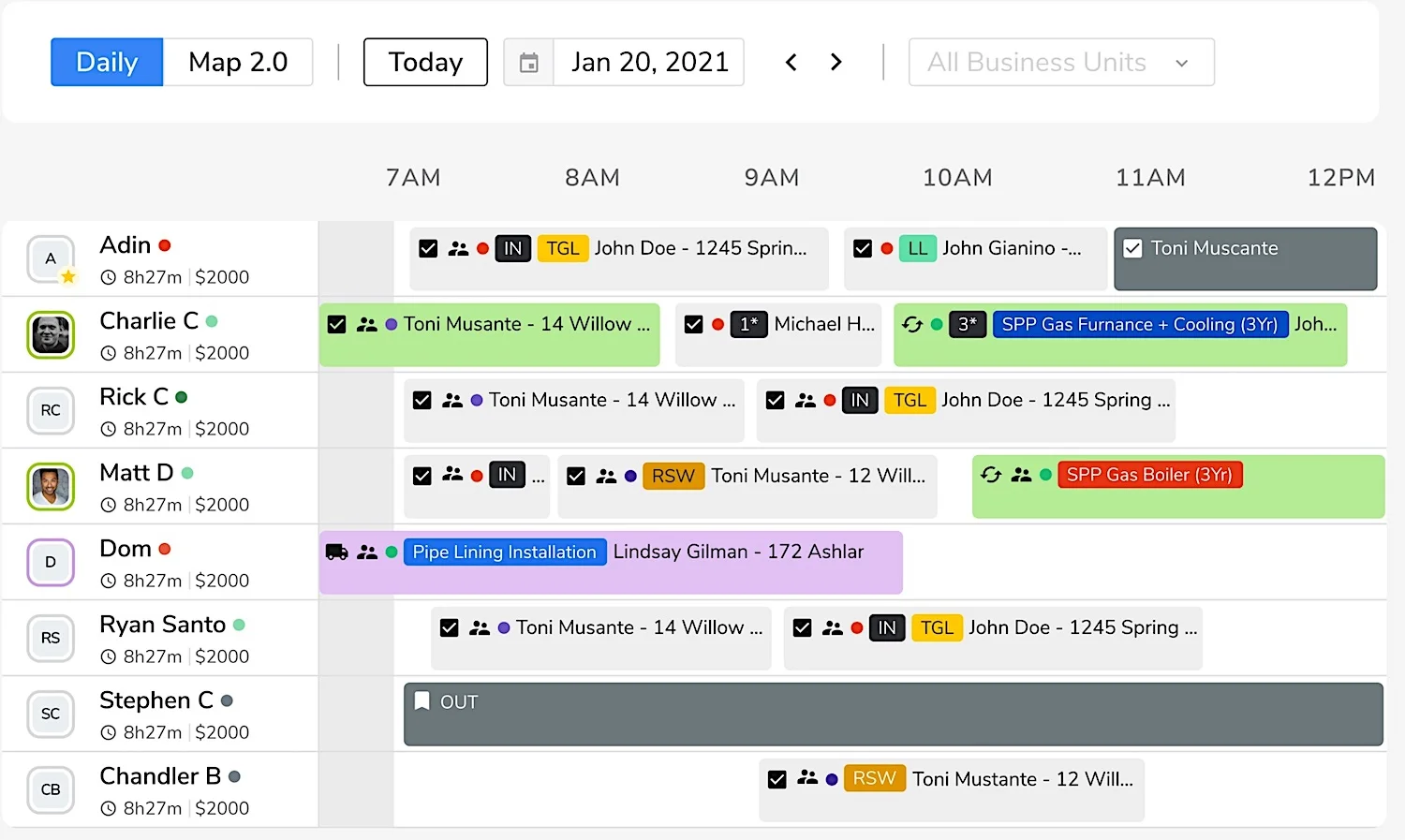
One notable case study in the plumbing industry highlights the transformative impact of management software on a mid-sized plumbing company, “AquaFlow Plumbing.” Prior to implementing the software, AquaFlow faced numerous operational challenges, including inefficient scheduling, high overhead costs, and difficulty in tracking job progress. The decision to adopt plumbing management software was driven by the need for better efficiency and improved customer service.The implementation process began with a thorough needs assessment, which involved meetings with key stakeholders, including managers and technicians.
This step was crucial as it helped identify specific pain points that the software needed to address. AquaFlow chose a comprehensive plumbing management software that offered features like scheduling, invoicing, and customer relationship management.During the implementation phase, AquaFlow encountered several challenges. One of the primary hurdles was employee resistance to change. Many staff members were accustomed to traditional methods of operation and were hesitant to adopt a new system.
To address this, AquaFlow organized training sessions that focused on demonstrating the software’s benefits, which helped ease concerns and foster a more positive attitude towards the change. Additionally, the company faced technical challenges during the initial setup, including data migration from outdated systems. Dedicated IT support was brought in to ensure a smooth transition, allowing for the seamless transfer of critical customer and job data into the new system.Post-implementation, AquaFlow began to see measurable outcomes that significantly improved their operations.
The software’s scheduling tool allowed for more efficient job dispatching, reducing travel time and increasing productivity. Technicians could access job details and customer information directly from their mobile devices, leading to faster service delivery. The company reported a 30% reduction in administrative time spent on scheduling and invoicing, which freed up staff to focus on customer interactions and business growth.
Customer satisfaction ratings improved as well, with a 25% increase in repeat business attributed to enhanced communication and service reliability. The financial benefits were equally impressive; AquaFlow experienced a 15% increase in revenue within the first year of implementation, alongside a noticeable decrease in operational costs due to optimized resource management.In conclusion, AquaFlow Plumbing’s case serves as a compelling example of how plumbing management software can streamline operations, enhance customer service, and drive business growth.
The strategic approach to implementation, coupled with ongoing training and support, ultimately led to a significant transformation within the company, setting a benchmark for success in the plumbing industry.
Cost-Benefit Analysis of Plumbing Management Software

In today’s fast-paced plumbing industry, adopting management software is more than just a trend; it’s a strategic investment. While there are costs associated with implementing plumbing management software, the benefits can significantly outweigh these expenses. This analysis delves into the financial implications, helping businesses understand how to quantify their return on investment (ROI) and explore real-world cost-saving scenarios.When considering plumbing management software, businesses must evaluate both the initial and ongoing costs versus the long-term benefits.
Initial costs often include software purchase or subscription fees, training expenses, and potential hardware upgrades. Ongoing costs may involve annual maintenance fees and subscription renewals. However, the benefits manifest through increased efficiency, reduced operational costs, and improved customer satisfaction.
Quantifying Return on Investment
Quantifying the ROI of plumbing management software requires businesses to assess how software impacts their bottom line. One effective approach is to calculate the savings generated from improved operations against the costs of software implementation. Here are several key metrics to consider:
- Increased Job Efficiency: With streamlined scheduling and dispatching, plumbing businesses can complete more jobs in less time, leading to greater revenue.
- Reduction in Operational Costs: Automation reduces manual errors, minimizing costly mistakes and rework.
- Improved Customer Retention: Enhanced communication and service tracking lead to higher customer satisfaction rates, resulting in repeat business.
- Access to Real-Time Data: Management software provides insights into operational performance, allowing for better decision-making and resource allocation.
To illustrate the financial impact, consider a plumbing company that implements management software that costs $500 per month. If this software enables them to schedule an additional four jobs per month at an average revenue of $300 per job, the added revenue totals $1,200. This results in a net gain of $700 after accounting for software costs, showcasing a clear financial benefit.
“Effective plumbing management software not only streamlines operations but also directly contributes to the profitability of a plumbing business.”
Remember to click hr system for small business to understand more comprehensive aspects of the hr system for small business topic.
Cost-Saving Scenarios Enabled by Plumbing Management Solutions
Several scenarios showcase how plumbing management solutions can lead to tangible cost savings. By examining these cases, businesses can better grasp the financial advantages of adopting such technology:
- Reduced Fuel Costs: Efficient routing and scheduling minimize travel time, leading to decreased fuel consumption and lower transportation expenses.
- Decreased Labor Costs: Automation of routine tasks frees up employees to focus on high-value work, effectively reducing the need for additional staff.
- Minimized Inventory Costs: Improved inventory management helps prevent overstocking or stockouts, reducing wastage and ensuring only necessary materials are purchased.
- Lower Marketing Expenses: Integrated CRM features enable targeted marketing efforts, reducing costs associated with broad or ineffective campaigns.
By recognizing these cost-saving opportunities, plumbing businesses can make informed decisions about investing in management software, ultimately leading to enhanced profitability and efficiency.
Trends in Plumbing Management Software Development
The plumbing industry is witnessing a remarkable transformation driven by the evolution of technology and changing consumer expectations. As businesses seek efficiency and enhanced service delivery, plumbing management software is developing to meet these new demands. The integration of advanced technologies like artificial intelligence (AI) and the Internet of Things (IoT) is reshaping the landscape, leading to smarter and more responsive systems that offer unprecedented functionality and insights.
Current trends are increasingly focused on enhancing user experience, automating processes, and improving data management. As plumbing companies strive to optimize operations, the demand for software that provides real-time data and predictive analytics is on the rise. This not only enhances decision-making but also fosters better customer service, as businesses can anticipate needs and respond proactively.
Impact of Technological Advancements on Plumbing Management Systems
The impact of technological advancements such as AI and IoT on plumbing management systems cannot be overstated. AI is revolutionizing how plumbing businesses operate by enabling predictive maintenance and automating routine tasks. For instance, AI algorithms can analyze historical data to predict equipment failures before they occur, allowing companies to schedule maintenance proactively. This reduces downtime and enhances service reliability.IoT devices are also making a significant impact by providing real-time data from various plumbing systems.
Smart sensors can monitor water flow, pressure, and even detect leaks, sending alerts to plumbers or property managers immediately. Such data-driven insights facilitate faster response times to issues, ensuring that plumbing problems are addressed before they escalate. Moreover, the integration of IoT with mobile applications means that plumbers can receive notifications and updates on the go, improving their efficiency in the field.
This connectivity not only enhances operational efficiency but also strengthens customer communication, as clients can be kept informed about the status of their plumbing issues.
Future Trends in Plumbing Management Software
Plumbing businesses must stay ahead of emerging trends to remain competitive in a rapidly evolving market. The following trends are expected to shape the future of plumbing management software:
- Increased Automation: As technology becomes more integrated into daily operations, automation of scheduling, invoicing, and customer management will become standard, allowing businesses to focus on growth rather than administrative tasks.
- Enhanced Mobile Solutions: The future will see more robust mobile applications that allow plumbers to access real-time data, manage schedules, and communicate with clients from their devices, improving on-the-go efficiency.
- Data Analytics and Business Intelligence: Advanced analytics tools will play a crucial role in helping businesses make data-driven decisions, from resource allocation to marketing strategies.
- Integration with Other Systems: Plumbing management software will increasingly integrate with other business systems, such as accounting and customer relationship management (CRM) tools, providing a seamless workflow.
- Focus on Sustainability: With growing awareness of environmental issues, plumbing management software will likely incorporate features that help businesses track and improve their sustainability efforts, such as water conservation metrics.
As these trends develop, plumbing businesses that leverage these advancements will not only enhance their operational efficiency but also improve customer satisfaction and loyalty, positioning themselves for long-term success in an increasingly competitive market.
Training and Support for Effective Use of Plumbing Management Software
The successful implementation of plumbing management software hinges significantly on effective training and support for staff. As technology advances, it’s essential for employees to understand how to leverage these tools to enhance their productivity and service delivery. Well-structured training programs can help ensure that all users, from field technicians to office administrators, are equipped with the necessary skills to make the most of the software features.
This not only reduces frustration among staff but also minimizes errors that can arise from improper usage.Training on plumbing management software should be comprehensive, covering all functionalities, from scheduling and dispatching to invoicing and customer management. Employees who are confident in using the software can communicate better with clients, manage their schedules effectively, and provide more accurate estimates. Furthermore, ongoing support is crucial, as it allows staff to ask questions and access help when encountering challenges.
Companies that invest in proper training and support often see a higher return on investment as employees can fully harness the potential of the software.
Resources and Support Networks for Plumbing Businesses, Plumbing management software
When plumbing businesses adopt new software, various resources and support networks can facilitate a smoother transition. Many software vendors offer extensive training materials, including user manuals, video tutorials, and webinars, to help staff get accustomed to the system. Additionally, online forums and communities can serve as valuable platforms for users to share experiences, troubleshoot issues, and exchange tips.Plumbing industry associations often provide workshops and training sessions focused on technology adoption, making them excellent resources for companies looking to upskill their workforce.
Check best employee engagement software to inspect complete evaluations and testimonials from users.
Utilizing these available resources not only enhances employee competency but also fosters a culture of continuous learning within the organization.To ensure successful software adoption within plumbing companies, following best practices is essential. Here’s a succinct list of key practices to consider:
- Conduct needs assessments to identify which features are most relevant for your business.
- Engage employees early in the process to gather input and foster buy-in.
- Schedule regular training sessions and refresher courses to maintain proficiency.
- Designate a software champion within the team to provide ongoing support and guidance.
- Establish a feedback loop where employees can report challenges and suggestions for improvement.
- Utilize vendor support to address technical issues promptly and effectively.
- Monitor key performance indicators to evaluate the impact of the software on operations.
Summary: Plumbing Management Software
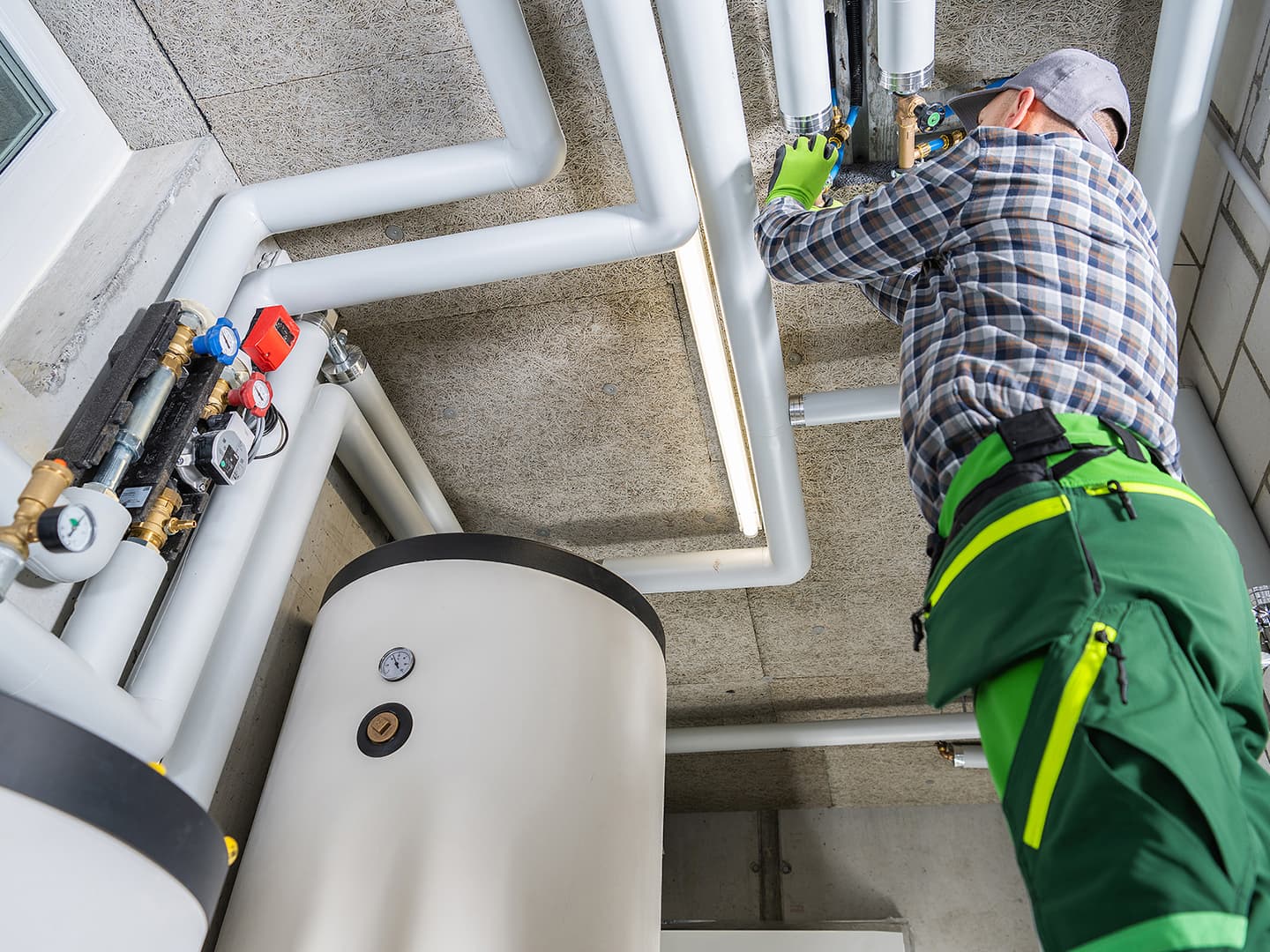
In conclusion, plumbing management software stands as a valuable asset for any plumbing business aiming to enhance operational efficiency and service quality. With its robust features and mobile integration, businesses can overcome common challenges and achieve measurable success. As the industry continues to evolve with new technologies, investing in plumbing management software not only prepares businesses for the present but also positions them well for the future.
FAQ Explained
What is plumbing management software?
Plumbing management software is a digital solution designed to help plumbing businesses manage their operations, including scheduling, invoicing, customer management, and field service management.
How does plumbing management software improve efficiency?
It streamlines processes by automating routine tasks, allowing staff to focus on more critical activities, ultimately increasing productivity and reducing errors.
Can plumbing management software be accessed on mobile devices?
Yes, many plumbing management software options offer mobile applications that allow plumbers to access information and manage tasks while in the field.
Is training necessary for using plumbing management software?
Yes, training is essential to ensure staff can effectively utilize the software’s features and maximize its benefits for the business.
What are some common challenges faced when implementing plumbing management software?
Common challenges include resistance to change, integration with existing systems, and ensuring staff are adequately trained to use the new software.