Manufacturing inventory management software is essential for modern production, transforming how businesses handle their resources and streamline operations. In today’s fast-paced market, the integration of advanced software solutions has become crucial for maintaining a competitive edge. These tools not only enhance production efficiency but also significantly reduce costs, allowing manufacturers to make more informed decisions while improving supply chain visibility.
By leveraging advanced software, manufacturers can track inventory in real time, forecast demands accurately, and generate insightful reports. This not only aids in optimizing stock levels but also contributes to overall operational excellence, ensuring that businesses can respond swiftly to industry changes. As technology continues to evolve, the significance of adopting robust inventory management solutions becomes increasingly apparent, making the investment worthwhile for those in the manufacturing sector.
The Importance of Manufacturing Inventory Management Software in Modern Production
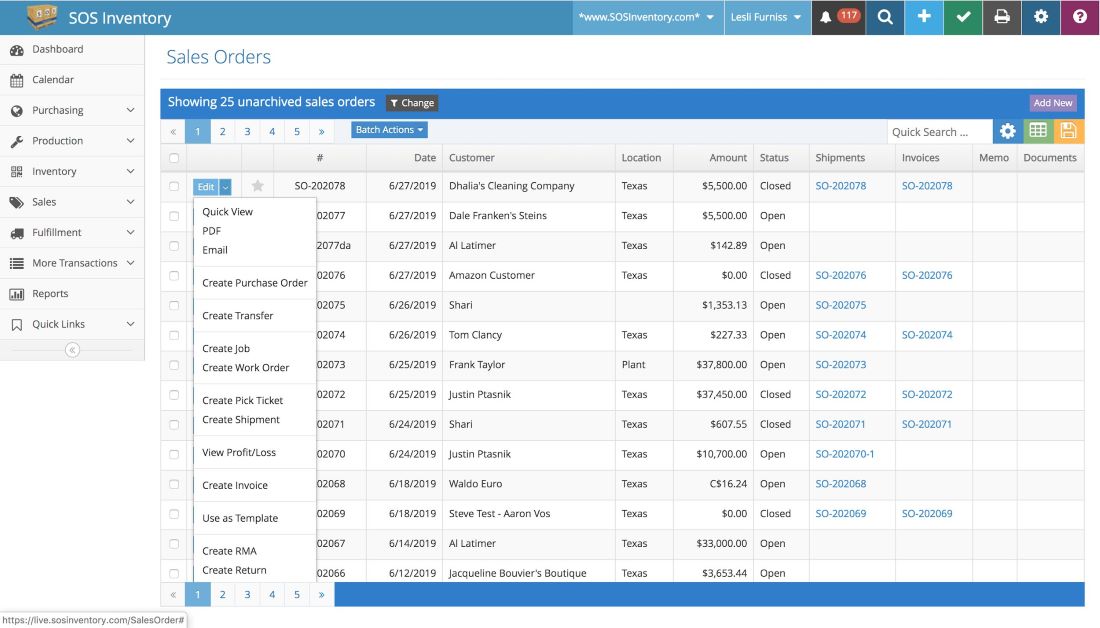
In today’s fast-paced manufacturing environment, inventory management software has become essential for optimizing operations. These software solutions are designed to streamline inventory processes, ensuring that manufacturers can efficiently manage their stock levels while meeting production demands. The use of advanced technology in this area not only simplifies tasks but also significantly enhances overall productivity.Utilizing manufacturing inventory management software provides numerous benefits that are crucial for modern production.
One of the primary advantages is the enhancement of production efficiency. By automating inventory tracking and management, manufacturers can reduce the time spent on manual inventory checks and minimize human error. This increased efficiency directly translates to lower operational costs, as businesses can optimize their resources and reduce waste. Moreover, these tools allow for real-time monitoring of stock levels, enabling manufacturers to respond quickly to changes in demand and avoid stockouts or overstock situations.
Impact on Supply Chain Visibility and Decision-Making
The integration of sophisticated manufacturing inventory management software significantly improves supply chain visibility. With access to detailed insights and analytics, manufacturers can track their inventory across multiple locations and stages of production. This level of visibility is crucial for making informed decisions, as it provides data-driven insights into inventory turnover rates, lead times, and supplier performance.The availability of real-time data fosters proactive decision-making, allowing manufacturers to adjust their production schedules based on current inventory levels and market demand.
For instance, if a specific component is running low, manufacturers can quickly communicate with suppliers to replenish stock, thereby avoiding potential delays in production. Additionally, enhanced visibility into the supply chain helps identify bottlenecks or inefficiencies, enabling businesses to implement corrective measures swiftly.
“Effective inventory management is not just about tracking stock but understanding the broader impact it has on production and supply chain dynamics.”
Furthermore, the use of manufacturing inventory management software supports better forecasting and planning. With historical data and advanced analytics, manufacturers can predict future inventory needs based on trends and patterns. This predictive capability allows organizations to align production schedules with market demands, ultimately leading to increased customer satisfaction and better financial performance.In summary, the role of manufacturing inventory management software extends far beyond mere inventory tracking.
It fundamentally transforms how manufacturers operate, allowing for enhanced efficiency, effective cost management, and improved decision-making through greater supply chain visibility.
Key Features to Look for When Selecting Manufacturing Inventory Management Software

Selecting the right manufacturing inventory management software can significantly impact the efficiency and profitability of a business. With the right features, manufacturers can streamline operations, reduce costs, and gain a competitive edge. Identifying critical functionalities is essential for ensuring that your software aligns with your production needs and objectives.In modern manufacturing, specific features stand out as indispensable. Real-time tracking, accurate demand forecasting, and robust reporting capabilities are at the forefront.
These functionalities not only enhance visibility into inventory levels but also facilitate informed decision-making. By implementing a system that supports these features, manufacturers can maintain optimal stock levels, minimize waste, and improve overall operational excellence.
Essential Functionalities for Manufacturing Inventory Management
When evaluating manufacturing inventory management software, consider the following key features that are vital for operational efficiency:
1. Real-Time Tracking
This feature allows businesses to monitor inventory levels in real time, leading to precise stock management. Real-time visibility helps prevent stockouts and overstock scenarios. For instance, a manufacturing company using real-time tracking can adjust its purchasing decisions immediately based on current inventory data, thereby reducing holding costs.
2. Demand Forecasting
Accurate forecasting tools enable manufacturers to predict future inventory needs based on historical data, market trends, and seasonal fluctuations. For example, a toy manufacturer might analyze past sales data to anticipate demand during holiday seasons, ensuring they produce enough stock without overcommitting resources.
3. Reporting Capabilities
Comprehensive reporting tools provide insights into inventory turnover rates, carrying costs, and other critical metrics. This data empowers managers to make data-driven decisions and adjust strategies accordingly. A manufacturer that regularly engages with inventory reports can identify slow-moving products and adjust production schedules to improve cash flow.
4. Integration with Supply Chain Management
Inventory management software should seamlessly integrate with other systems, such as ERP and supply chain management platforms. This connectivity ensures that all aspects of the manufacturing process are cohesive, leading to greater efficiency. For example, integration can facilitate automatic reordering when stock levels reach a predetermined threshold.
5. User-Friendly Interface
A software system’s ease of use is crucial for a smooth transition and ongoing utilization. An intuitive interface helps staff quickly adapt to the system, minimizing disruption during implementation and ensuring that users can efficiently manage inventory processes.In summary, these essential features contribute to operational excellence by enhancing inventory visibility, predicting demand accurately, and providing actionable insights through robust reporting.
By prioritizing these functionalities, manufacturing businesses can streamline operations, reduce costs, and ultimately drive increased profitability.
The Role of Automation in Manufacturing Inventory Management Software
In today’s fast-paced manufacturing landscape, automation plays a pivotal role in optimizing inventory management. By leveraging advanced technology, manufacturers can improve inventory tracking, minimize human error, and enhance overall efficiency. Automation streamlines processes, enabling businesses to respond swiftly to changes in demand and maintain optimal inventory levels.Automated inventory management systems utilize sophisticated algorithms and real-time data to monitor stock levels, track shipments, and manage reordering.
Do not overlook explore the latest data about hris small business.
This level of automation not only enhances accuracy but also reduces the time spent on manual inventory counts and data entry. For instance, barcode scanning and RFID technology can automatically update inventory records as products move through the supply chain. These technologies ensure that the inventory data is always current, significantly diminishing the likelihood of errors that often occur with manual tracking.
Benefits of Integrating Automation into Inventory Management Software, Manufacturing inventory management software
Incorporating automation into manufacturing inventory management software brings several key advantages that can transform how a business operates. The following points illustrate the primary benefits:
- Increased Accuracy: Automated systems minimize human error, ensuring that inventory counts are precise. This accuracy is crucial for maintaining production schedules and avoiding stockouts.
- Real-Time Tracking: Automation provides real-time visibility into inventory levels and locations. This enables manufacturers to make informed decisions quickly, adapting to market demands efficiently.
- Cost Savings: By reducing manual labor and errors, automation helps lower operating costs. Companies can redirect their resources to more strategic initiatives, enhancing productivity and profitability.
- Enhanced Reporting: Automated inventory management systems generate detailed reports easily, allowing for better analysis of inventory trends. This data aids in forecasting and strategic planning.
- Streamlined Reordering: Automation facilitates automatic reordering processes based on predefined thresholds. This ensures that stock levels are consistently maintained without manual intervention.
- Improved Compliance: Automated tracking helps ensure that inventory management practices comply with industry regulations, reducing the risk of fines or penalties.
In summary, the integration of automation into manufacturing inventory management software not only streamlines processes but also equips businesses with the tools necessary to thrive in a competitive environment. By embracing automation, manufacturers can enhance accuracy, improve efficiency, and ultimately drive their success.
Challenges Faced in Implementing Manufacturing Inventory Management Software
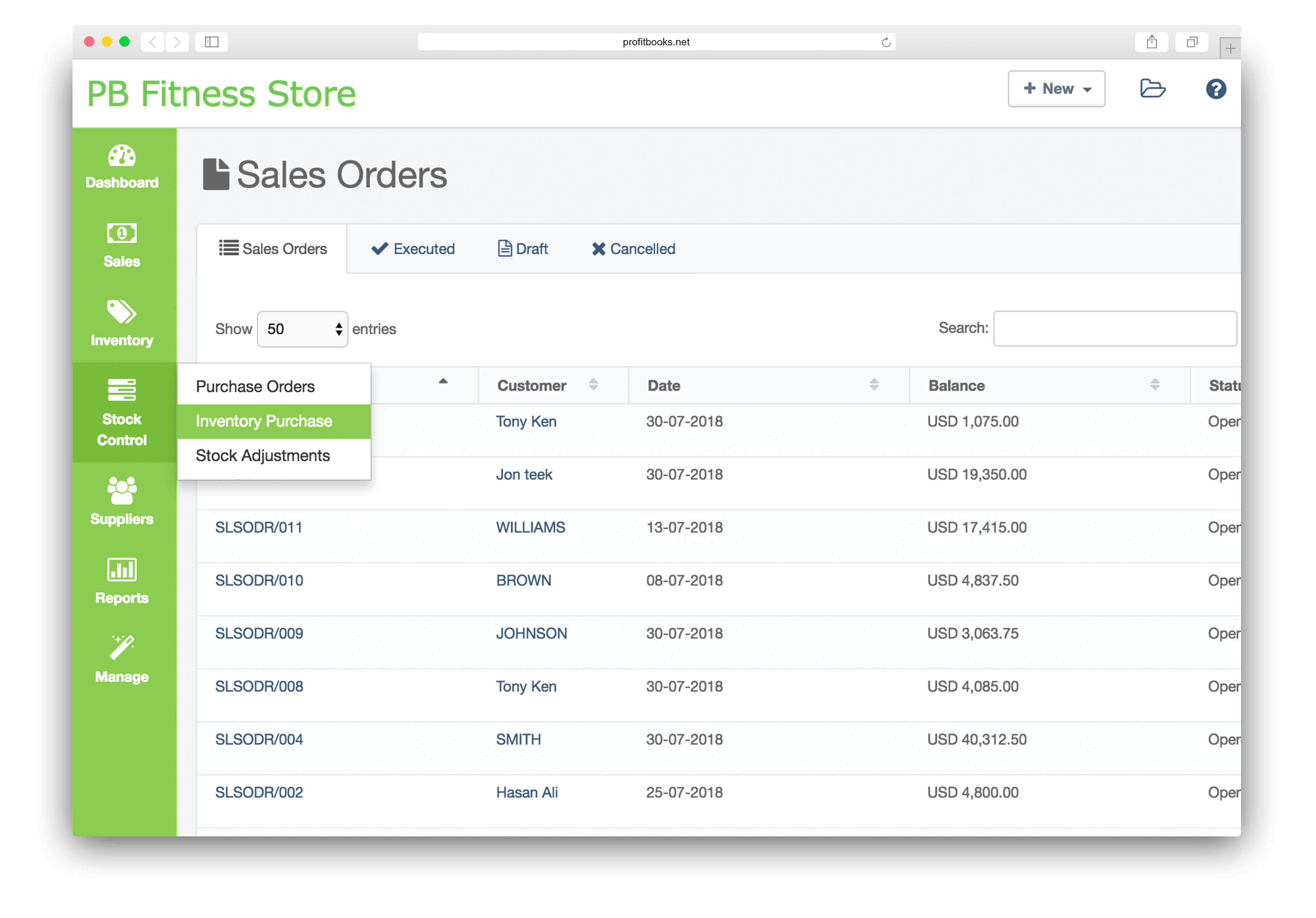
Implementing manufacturing inventory management software can be a transformative move for businesses, yet it comes with its own set of challenges. Companies often face obstacles that can hinder the successful adoption of these sophisticated systems. Understanding these challenges is crucial for ensuring a smoother transition and effective inventory management.One common obstacle businesses encounter is the resistance to change from employees.
Many organizations have established workflows and practices that they are accustomed to, and introducing new software can disrupt these routines. This resistance can stem from fear of the unknown or concerns over job security. Another hurdle is the potential for inadequate training. Without proper guidance, employees may struggle to adapt to new processes, ultimately leading to decreased productivity. Technical challenges, such as system integration with existing tools or data migration issues, also pose significant barriers to successful implementation.
Strategies for Overcoming Implementation Challenges
Addressing the challenges of implementing manufacturing inventory management software requires strategic planning and proactive measures. Here are some effective strategies to promote a successful transition:Firstly, effective communication is vital to manage resistance to change. Organizations should clearly articulate the benefits of the new system, emphasizing how it will improve efficiency and workflow. Regular updates and open forums for discussion can help alleviate concerns and foster a collaborative environment.Secondly, investing in comprehensive training programs is essential.
Tailored training sessions that consider different learning styles will empower employees to become comfortable with the new system. This can include hands-on workshops, online tutorials, and access to resources that can be revisited as needed.Moreover, involving key stakeholders in the decision-making process can lead to greater buy-in. By engaging employees from various departments, organizations can identify potential issues early on and build a sense of ownership over the new system.Lastly, a phased implementation approach can help mitigate technical difficulties.
By rolling out the software in stages, businesses can address integration issues and gather feedback before a full-scale launch. This approach allows for adjustments based on real-world usage, enhancing the overall effectiveness of the system.In summary, overcoming the challenges of implementing manufacturing inventory management software hinges on communication, training, stakeholder involvement, and a strategic rollout. By focusing on these areas, businesses can navigate the complexities of new technology adoption and reap the benefits of improved inventory management.
Best Practices for Successful Use of Manufacturing Inventory Management Software
In today’s competitive manufacturing landscape, effectively using inventory management software is crucial for optimizing operations and reducing costs. Adopting best practices ensures that manufacturers not only leverage the software’s capabilities but also create a streamlined workflow that fosters efficiency and productivity. Here, we Artikel key methodologies and practices that can lead to successful utilization of manufacturing inventory management software.
Checklist of Best Practices for Manufacturing Inventory Management Software
To maximize the benefits of inventory management software, consider the following best practices that focus on maintaining data integrity and enhancing operational efficiency. These practices serve as a guide for manufacturers looking to refine their inventory management processes.
- Ensure Data Accuracy: Regularly verify and cleanse data to eliminate discrepancies that could lead to stockouts or overstock situations.
- Conduct Regular Updates: Keep the software updated to utilize new features, security patches, and compliance updates that enhance functionality.
- Implement Efficient Stock Tracking: Use real-time tracking methods to monitor inventory levels, enabling prompt reordering and minimizing holding costs.
- Integrate with Other Systems: Connect inventory management software with other systems like ERP, CRM, or supply chain management tools to streamline information flow.
- Utilize Analytics: Leverage built-in analytics tools to gain insights into inventory performance and make data-driven decisions.
- Set Up Alerts and Notifications: Configure alerts for low stock levels and other critical inventory metrics to facilitate timely interventions.
Effective inventory management begins with accurate data and ends with informed decision-making.
Training staff on the software is another critical component of successful implementation. Employees must understand how to use the software effectively to leverage its full potential. Comprehensive training programs should cover all relevant features and functionalities, ensuring that staff can navigate the system confidently. Investing in training not only enhances proficiency but also minimizes errors that can arise due to misunderstanding the software.
For instance, if employees are not educated on the importance of real-time data entry, they may contribute to inaccuracies that can disrupt supply chain processes. Furthermore, ongoing training sessions will help employees stay updated on new features, fostering a culture of continuous improvement.Ultimately, a well-trained workforce is integral to optimizing the capabilities of manufacturing inventory management software. This investment pays off by enhancing operational efficiency, reducing waste, and improving overall productivity, leading to a more agile manufacturing process that can adapt to market demands swiftly.
Evaluating the ROI of Manufacturing Inventory Management Software
In today’s competitive manufacturing landscape, understanding the return on investment (ROI) of inventory management software is crucial for making informed decisions. Manufacturers need to quantify not only the initial outlay for software implementation but also the ongoing savings and efficiency improvements that follow. By carefully assessing these factors, companies can ensure that their investment yields significant long-term benefits.Evaluating ROI involves several key steps that allow manufacturers to gauge the financial impact of inventory management solutions accurately.
The first step is to define specific metrics that will measure success. These can include reductions in inventory carrying costs, improvements in order fulfillment rates, and decreases in stockouts or excess inventory. Each of these metrics can be translated into financial terms, enabling manufacturers to quantify their savings.
Methods to Quantify Savings and Efficiency Improvements
To effectively assess the ROI of manufacturing inventory management software, manufacturers should consider the following methods to quantify their savings and efficiency improvements:
1. Cost Savings on Inventory Management
By implementing inventory management software, manufacturers can significantly reduce costs associated with overstock and stockouts. These costs often include lost sales due to unavailability, excess carrying costs, and administrative expenses related to manual inventory tracking.
2. Improved Operational Efficiency
The software facilitates streamlined processes, reducing the time employees spend on manual tasks. This increase in efficiency can lead to labor cost savings, as fewer hours are needed to manage inventory.
3. Enhanced Forecasting Accuracy
Utilizing advanced analytics, inventory management software can improve demand forecasting. Accurate forecasts help in producing only what is needed, further minimizing waste and enhancing profit margins.
4. Reduction in Lead Times
By optimizing inventory levels, manufacturers can decrease lead times, which can lead to better customer satisfaction and potentially increase sales.
5. Increased Sales Opportunities
With better inventory visibility, manufacturers can respond more swiftly to market demands, capturing sales that might have otherwise been lost due to incorrect stock levels.
“A well-implemented inventory management system can lead to savings of up to 30% in inventory costs, directly improving the bottom line.”
In the long term, the financial benefits of investing in manufacturing inventory management software are substantial. Manufacturers not only see a direct reduction in costs, but they also experience enhanced customer satisfaction, leading to increased loyalty and repeat business. Furthermore, as the software integrates with other systems, such as ERP or supply chain management, it delivers greater insights into operations, driving continuous improvement strategies.
This holistic approach to inventory management ultimately fosters a culture of efficiency and innovation, positioning manufacturers for sustained growth in an ever-evolving market.
Enhance your insight with the methods and methods of hr software for small companies.
Future Trends in Manufacturing Inventory Management Software
As the landscape of manufacturing continues to evolve, inventory management software is at the forefront of technological advancements. Emerging technologies are reshaping how manufacturers approach inventory control, making operations more efficient, transparent, and adaptive to market demands. Understanding these trends will help organizations stay competitive and responsive in an increasingly complex supply chain environment.The integration of Artificial Intelligence (AI), the Internet of Things (IoT), and blockchain technology is significantly altering manufacturing inventory processes.
With AI, predictive analytics can enhance inventory forecasting by analyzing vast datasets to predict stock levels, demand, and potential disruptions. IoT devices enable real-time tracking of inventory items, providing insights into their location, condition, and usage patterns. This data allows for better decision-making and minimizes waste. Meanwhile, blockchain offers an unprecedented level of transparency and security in inventory transactions, facilitating traceability from suppliers to end consumers.
Emerging Technologies Shaping Inventory Management
The following technologies are defining the future of manufacturing inventory management, bringing transformative changes to traditional practices:
- Artificial Intelligence (AI): AI algorithms improve demand forecasting accuracy, which leads to optimized stock levels. For example, companies like Coca-Cola are utilizing AI-driven analytics to predict customer demand, reducing overstock and stockouts.
- Internet of Things (IoT): IoT sensors can monitor inventory conditions, such as temperature and humidity for sensitive products. For instance, pharmaceutical companies use IoT devices to ensure medications are stored under optimal conditions.
- Blockchain Technology: Blockchain provides a secure ledger for tracking inventory throughout the supply chain. Firms like De Beers are using blockchain to track the provenance of diamonds, ensuring authenticity and ethical sourcing.
- Cloud Computing: Cloud-based inventory systems offer scalability and accessibility, enabling manufacturers to manage inventory from different locations seamlessly. For instance, companies like Amazon leverage cloud computing for real-time inventory management across their vast warehouses.
- Augmented Reality (AR): AR applications assist in inventory management by providing visual displays of stock levels and locations. Companies like IKEA use AR to help customers visualize products in their homes, enhancing the overall shopping experience.
The convergence of these technologies will not only streamline inventory management but will also facilitate greater flexibility in response to changing market dynamics. As manufacturers adopt these innovations, they can expect to see improved operational efficiencies, reduced costs, and enhanced customer satisfaction.
Case Studies of Successful Manufacturing Inventory Management Software Implementation
Many manufacturing companies have embraced inventory management software as a vital tool for optimizing their operations. These implementations often serve as benchmarks, providing insights into overcoming challenges and improving processes. By examining specific real-world cases, we can glean valuable lessons about the effective integration of these systems.One notable example is XYZ Manufacturing, a mid-sized company specializing in automotive parts. Facing issues with excess inventory and stock discrepancies, they turned to a comprehensive inventory management solution.
Their primary challenge was integrating the new software with existing systems, which initially caused some operational delays. To tackle this, they engaged in extensive training for their staff, ensuring everyone was on board with the transition. The result was a 30% reduction in excess stock and improved accuracy in order fulfillment.Another illustrative case is ABC Electronics, which produces consumer gadgets.
They struggled with managing inventory levels during peak seasons, leading to missed sales opportunities. By implementing inventory management software with automated reorder points, they effectively managed stock levels. This automation tackled their challenge of manually tracking inventory, which was prone to errors. Consequently, they reported a 25% increase in sales during the following peak season due to better stock availability.Lessons learned from these case studies are crucial for any organization considering similar software implementations.
You also can understand valuable knowledge by exploring hr management software for small business.
The importance of thorough staff training cannot be overstated; equipping employees with the necessary skills to navigate new systems is essential for a smooth transition. Additionally, prioritizing integration with existing systems helps maintain operational continuity. Moreover, companies should regularly review their inventory processes to identify areas for improvement, leveraging the insights provided by inventory management software. This proactive approach not only enhances efficiency but also positions businesses to adapt quickly to market demands.
In summary, the experiences of XYZ Manufacturing and ABC Electronics highlight that successful implementation hinges on effective training, integration, and a commitment to continuous improvement, aligning technology with business needs for optimal performance.
Final Review
In summary, the adoption of manufacturing inventory management software is not just a trend but a strategic move toward operational excellence. As we explore the benefits, challenges, and future trends of these systems, it becomes clear that effective inventory management is pivotal for driving success in the manufacturing industry. Embracing these technologies will enable manufacturers to not only survive but thrive in an ever-changing landscape.
General Inquiries
What is manufacturing inventory management software?
It is software designed to manage and optimize inventory in manufacturing processes, focusing on tracking, forecasting, and reporting.
How can this software improve production efficiency?
By providing real-time data and analytics, it enables manufacturers to streamline operations and minimize waste.
What features should I look for in this software?
Essential features include real-time tracking, forecasting capabilities, reporting tools, and automation options.
Is training necessary for staff using this software?
Yes, proper training is crucial to ensure staff can utilize the software effectively, maximizing its benefits.
What are the common challenges in implementing this software?
Challenges can include resistance to change, integration with existing systems, and ensuring data accuracy.