Best software for human resource management is essential for streamlining HR processes and ensuring that organizations function efficiently. As businesses grow, managing employees’ needs and data becomes increasingly complex, and the right software can simplify these tasks significantly. From payroll to recruitment and performance tracking, the right HR software not only saves time but also enhances productivity, allowing HR professionals to focus on what truly matters – connecting with their workforce.
In today’s fast-paced business environment, user-friendliness and integration capabilities stand out as crucial features of effective HR software. The ideal solution should empower HR teams to easily navigate through functionalities while seamlessly integrating with existing systems to provide a holistic view of employee management. Furthermore, automation plays a pivotal role in streamlining repetitive tasks, safeguarding data security, and ensuring compliance with regulations, making it necessary for modern HR departments to adopt specialized software.
Identify key features that make software ideal for human resource management.
In today’s fast-paced business environment, effective human resource management software plays a crucial role in streamlining HR processes and enhancing employee productivity. A robust HR management system is designed to automate tedious tasks, facilitate communication, and foster a positive workplace culture. When evaluating HR software, it’s essential to identify key features that contribute to its effectiveness and efficiency.One of the most valued aspects of an ideal HR software is user-friendliness.
A platform that is easy to navigate allows HR professionals and employees alike to engage with the system without extensive training. This can significantly reduce the learning curve and increase overall adoption rates within the organization. Moreover, integration capabilities are vital; the software should seamlessly connect with other business applications like accounting systems, time-tracking tools, and benefits management platforms. This integration ensures smooth data flow across systems, reducing redundancy and minimizing the chances for errors.
Essential functionalities for effective HR management
When considering functionalities that are essential to human resource management software, several key areas come into play that can significantly enhance the HR landscape:
- Payroll Management: An efficient payroll system automates salary calculations, tax deductions, and benefits distribution. By ensuring timely and accurate payroll processing, organizations can boost employee satisfaction and compliance with legal requirements. For instance, software like Gusto offers comprehensive payroll services along with tax filing features.
- Recruitment Solutions: Recruitment modules streamline the hiring process through features such as job posting, applicant tracking, and interview scheduling. Platforms like Greenhouse not only simplify the recruitment workflow but also provide analytics to improve hiring strategies.
- Performance Tracking: Performance management tools enable organizations to monitor employee progress through goal setting, feedback mechanisms, and performance reviews. Software like Lattice empowers companies to cultivate a performance-driven culture by facilitating continuous feedback and employee engagement.
- Employee Self-Service Portals: Self-service features empower employees to manage their personal information, request time off, or access payroll data without needing HR intervention. This reduces administrative burden and enhances employee independence.
- Reporting and Analytics: Comprehensive reporting capabilities allow HR professionals to generate insights on various metrics ranging from turnover rates to employee satisfaction surveys. Tools like BambooHR offer powerful analytics that can inform strategic decision-making within the organization.
In summary, a well-rounded HR management software is pivotal for organizations seeking to optimize their human resource practices. Prioritizing user-friendliness and integration capabilities, along with essential functionalities like payroll, recruitment, and performance tracking, can lead to improved efficiency and a more engaged workforce.
When investigating detailed guidance, check out hr management software for small business now.
Compare various popular software solutions for human resource management available in the market.
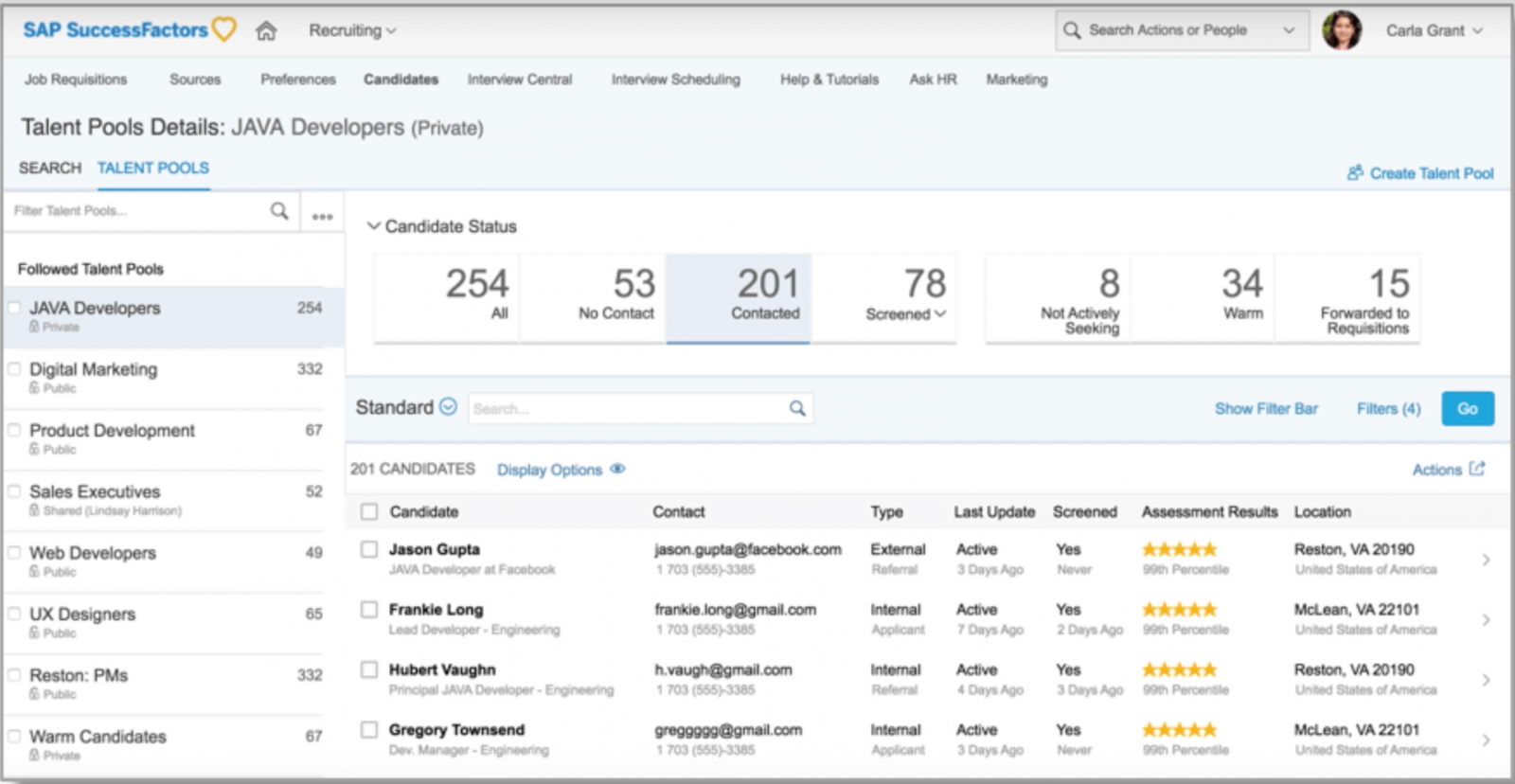
In the ever-evolving landscape of human resource management (HRM), selecting the right software can significantly influence an organization’s efficiency and effectiveness. With numerous solutions available, businesses often find themselves navigating a maze of features, pricing, and user experiences. This discussion highlights some of the most popular HRM software solutions currently on the market, detailing their strengths and weaknesses to help organizations make informed decisions.
Choosing the right HRM software is not just about picking a tool; it’s about aligning it with your business needs, culture, and growth trajectory. The following comparison focuses on three widely-used HRM solutions: BambooHR, Workday, and Gusto, each offering unique features and functionalities tailored to different types of organizations.
Comparative Analysis of Popular HRM Software
Understanding the strengths and weaknesses of each software is crucial when deciding which one fits best within an organization’s structure. Below is a breakdown of the three leading HRM software options, highlighting their unique selling points and areas for improvement.
- BambooHR
- Unique Selling Points:
-User-friendly interface that simplifies employee data management.
-Customizable reporting and analytics tools that provide insights into workforce trends.
-Excellent customer support along with dedicated onboarding assistance.
- Strengths:
-Strong emphasis on small to medium-sized businesses, making it accessible and affordable.
-Mobile app functionality allows employees to access information on the go.
- Weaknesses:
-Limited payroll capabilities compared to more comprehensive solutions.
-Some advanced features may require additional fees.
- Unique Selling Points:
- Workday
- Unique Selling Points:
-Robust suite of HR, finance, and planning tools integrated into a single platform.
-Advanced analytics and reporting capabilities that leverage machine learning for predictive insights.
-Highly customizable workflows tailored to specific organizational needs.
- Strengths:
-Scalable solution ideal for large enterprises with complex HR needs.
-Strong focus on user experience, with intuitive navigation and a visually appealing interface.
- Weaknesses:
-Higher price point may be prohibitive for smaller companies.
-Implementation process can be time-consuming and resource-intensive.
- Unique Selling Points:
- Gusto
- Unique Selling Points:
-All-in-one solution combining HR, payroll, and benefits management tailored for small businesses.
-Automatic tax calculations and filings ensure compliance without added hassle.
-Engaging employee benefits options, including health insurance and retirement plans.
- Strengths:
-Very user-friendly, particularly for companies with limited HR resources.
-Strong community support and educational resources available for users.
- Weaknesses:
-Limited features for larger organizations or those with complex HR needs.
-Customer service can be inconsistent depending on the issue at hand.
- Unique Selling Points:
Each of these HRM solutions offers distinct advantages and potential drawbacks, making them suitable for different types of organizations and industries. BambooHR excels in its user-friendly approach for small to medium businesses, while Workday delivers comprehensive tools for larger enterprises with complex needs. Gusto stands out for smaller companies seeking an integrated solution combining HR and payroll functionalities. When selecting HRM software, businesses must evaluate their specific needs, resources, and growth plans to choose the best fit.
Investigate the pros of accepting hris small business in your business strategies.
Discuss the role of automation in improving HR processes through specialized software.
In today’s fast-paced business environment, the role of automation in Human Resources (HR) has become increasingly vital. Specialized HR software solutions are designed to streamline a variety of HR processes, enabling organizations to operate more efficiently. By automating repetitive tasks, HR professionals can focus their efforts on strategic initiatives, enhancing productivity and employee engagement.Automation plays a critical role in transforming mundane HR activities into seamless processes.
Tasks that are best suited for automation include payroll processing, employee onboarding, performance management, time and attendance tracking, and benefits administration. By leveraging automation for these functions, organizations can reduce the likelihood of human error, ensure compliance with regulations, and save considerable time and resources.
Tasks Best Suited for Automation within HR, Best software for human resource management
To illustrate the impact of automation, consider the following tasks that greatly benefit from being streamlined:
- Payroll Processing: Automating payroll calculations and report generation minimizes errors and saves time. A study showed that organizations utilizing payroll automation reduce processing time by up to 80%.
- Employee Onboarding: Automation can transform the onboarding experience by providing new hires with digital checklists, necessary forms, and training schedules. Companies that automate onboarding report a 54% faster time to productivity for new employees.
- Time and Attendance Tracking: Software solutions can track employee attendance and manage leave requests automatically. This reduces administrative workload and improves accuracy in attendance records.
- Performance Management: Automated performance appraisal systems allow for continuous feedback and goal tracking, which can enhance employee engagement and development.
- Benefits Administration: Automated systems can streamline the management of employee benefits, providing accessible information and allowing employees to make selections without HR intervention.
The statistics reinforce the idea that automation is not just a trend but a necessity. For example, according to a report by Deloitte, 71% of HR leaders believe that automation will have a significant impact on the workforce over the next five years. Furthermore, companies that have implemented HR automation experience a 30% reduction in overall HR costs while maintaining or improving service levels.
This demonstrates that the strategic use of specialized software can lead to enhanced HR efficiency and a more engaged workforce, ultimately supporting organizational success.
Explain the significance of data security and compliance in HR software.
In today’s digital landscape, the importance of data security and compliance cannot be overstated, particularly within the realm of human resource (HR) management. HR software handles a vast amount of sensitive information, including personal employee data, payroll details, and performance evaluations. Consequently, ensuring this data remains secure and complies with various regulations is crucial for protecting both employees and the organization itself.
Without robust security measures in place, organizations risk data breaches that can lead to severe financial and reputational damage. Furthermore, non-compliance with legal standards can result in hefty fines and legal repercussions. As privacy laws evolve, such as the General Data Protection Regulation (GDPR) in Europe, HR software must adapt to meet these requirements, ensuring that personal data is processed lawfully and transparently.
Common Security Features in HR Software
To effectively safeguard sensitive employee data, HR software should include various security features. These functionalities not only enhance data protection but also promote compliance with regulations like GDPR. Key security features include:
- Data Encryption: Encrypting data both in transit and at rest ensures that unauthorized individuals cannot access sensitive information.
- Access Controls: Role-based access controls allow organizations to limit data access based on user roles, ensuring that only authorized personnel can view or manage sensitive information.
- Audit Trails: Tracking changes and access to data helps organizations monitor activities and identify any unauthorized actions.
- Multi-Factor Authentication (MFA): MFA adds an additional layer of security by requiring users to verify their identity through multiple means before accessing the software.
- Regular Security Updates: Regularly updating the software and its security protocols helps protect against emerging threats and vulnerabilities.
The inclusion of these features not only fortifies data security but also helps businesses demonstrate compliance with regulations like GDPR. Under GDPR, organizations must ensure that personal data is collected and processed lawfully, which often necessitates the implementation of advanced security measures. By utilizing HR software designed with compliance in mind, businesses can streamline their HR processes while effectively managing employee data in a secure environment.
In summary, data security and compliance within HR software are vital for protecting sensitive information and adhering to regulatory standards. Organizations must prioritize these aspects to safeguard their data, maintain employee trust, and avoid potential legal ramifications.
Obtain access to hr software for small companies to private resources that are additional.
Explore how employee self-service features enhance the effectiveness of HR software.
Employee self-service features in HR software revolutionize the way organizations manage their human resources. By empowering employees to access and manage their own information, companies can create a more efficient and engaged workforce. This shift not only reduces the administrative burden on HR departments but also fosters a culture of transparency and accountability within the organization. Employee self-service capabilities are becoming essential in modern HR systems, enhancing productivity and satisfaction among staff members.
The inclusion of self-service functionalities leads to a significant transformation in how employees interact with HR processes. Employees can independently manage various aspects of their employment, which streamlines workflows and reduces the time spent on routine tasks. One of the primary benefits is the ability for employees to handle their personal information, such as contact details, tax information, and direct deposit accounts, directly through the HR software.
This independence minimizes the need for constant HR intervention and reduces the chances of errors, as employees can keep their records up-to-date.
Key Features of Employee Self-Service
To better understand the impact of self-service features, it’s important to explore the specific functionalities that enhance employee experience and HR efficiency. Key features include:
- Leave Applications: Employees can submit leave requests directly through the software, allowing for a streamlined approval process. This not only saves time but also allows employees to plan their absences more effectively.
- Benefits Enrollment: Self-service portals enable employees to enroll in benefits programs during open enrollment periods or after qualifying life events, ensuring they have access to necessary information and can make informed decisions about their benefits.
- Access to Pay Stubs and Tax Documents: Employees can view and download their pay stubs and tax forms whenever they need, enhancing transparency and satisfaction regarding compensation matters.
- Performance Tracking: Employees can log their achievements and feedback through self-service tools, allowing them to take ownership of their performance and career growth.
- Training and Development Opportunities: Self-service features can also provide employees with access to training resources and career development programs, encouraging continuous learning and skill enhancement.
By incorporating these self-service features, HR software not only optimizes operational efficiency but also boosts employee engagement. The ability for employees to manage their information independently fosters a sense of autonomy and responsibility, which can lead to higher job satisfaction and loyalty to the organization. The reduction of administrative tasks allows HR teams to focus on strategic initiatives that drive business value, making self-service an invaluable aspect of modern HR management.
Analyze the importance of customer support and training when selecting HR software.

Selecting the right HR software is a crucial decision for any organization aiming to streamline its human resource processes. While features and functionalities are typically at the forefront of decision-making, the importance of robust customer support and comprehensive training cannot be overstated. These two elements are vital to ensuring a smooth transition to new systems and maintaining high levels of user satisfaction, ultimately leading to enhanced productivity and software effectiveness.Customer support plays a significant role in the user experience and overall effectiveness of HR software.
When organizations invest in new software, they often face challenges related to implementation, troubleshooting, and ongoing maintenance. Efficient customer support can make all the difference in these scenarios. Having access to knowledgeable representatives who can quickly address issues helps reduce downtime and frustration. Moreover, responsive support can assist HR professionals in maximizing the software’s capabilities, ensuring that the organization reaps the full benefits of its investment.
Training options for new users
To facilitate effective software utilization, training is equally essential. Many software providers offer diverse training options to accommodate different learning preferences and organizational needs. Here are some of the common training options available:
- On-site Training: This option involves trainers visiting the organization to deliver hands-on training sessions. It allows employees to ask questions in real-time and ensures that everyone is on the same page.
- Webinars: Virtual seminars provide a flexible training alternative, allowing participants to engage from various locations. These sessions typically cover essential features and best practices in using the software.
- Self-paced e-Learning Modules: Many software vendors offer online modules that employees can complete at their convenience. This format is especially useful for accommodating different learning speeds and schedules.
- User Manuals and Documentation: Comprehensive guides and manuals can serve as valuable resources as employees navigate the software. These documents often contain troubleshooting tips, FAQs, and detailed explanations of functionalities.
- Ongoing Support and Refreshers: Continuous learning opportunities, such as periodic refresher courses or updates on new features, help keep employees informed and proficient in using the software.
The combination of accessible customer support and varied training options enhances the effectiveness of HR software, fostering a knowledgeable user base that can efficiently manage human resource tasks, ultimately contributing to the organization’s success.
Investigate the cost considerations associated with implementing HR software.: Best Software For Human Resource Management
Implementing HR software is a significant investment for any organization, and understanding the associated costs is crucial for making an informed decision. While the benefits of enhancing HR processes are immense, businesses must navigate various pricing models and potential hidden costs that can impact their budget.When evaluating HR software, organizations typically encounter two primary pricing models: subscription-based and one-time payment systems.
The subscription model is often favored for its flexibility, allowing businesses to pay a monthly or annual fee based on the number of users or features utilized. This can range from as little as $5 to over $50 per user per month, depending on the software’s complexity and capabilities. It provides the advantage of lower upfront costs, and companies can scale their usage as their needs change.In contrast, the one-time payment model involves a larger upfront investment, often ranging from $5,000 to $100,000 or more, depending on the software’s scope and functionality.
This model can be attractive for larger organizations that prefer full ownership without ongoing fees. However, it is essential to consider that with this model, additional costs for maintenance, updates, and support may arise, which can lead to ongoing financial commitments.
Hidden Costs in Implementation
Apart from the primary software costs, organizations should be aware of hidden expenses that could inflate their total investment. These can include:
- Training Costs: Effective implementation often requires comprehensive training for HR staff and employees, which can involve extra costs for professional training sessions or the need for additional resources.
- Customization Fees: Many businesses require specific features tailored to their needs, which can result in customization costs. Some software providers may charge extra for these personalized solutions.
- Integration Costs: If the new HR software needs to integrate with existing systems, the cost of this integration can be substantial, particularly if it requires third-party services.
- Data Migration Fees: Transferring data from old systems to the new software can incur costs, especially if significant data cleansing or formatting is necessary.
- Ongoing Support: While initial support may be included, ongoing technical support might require additional fees, especially for complex systems.
Understanding these various factors is essential for budgeting effectively when implementing HR software. By considering both the explicit and hidden costs, organizations can make informed decisions that align with their financial capabilities and operational needs.
Outcome Summary
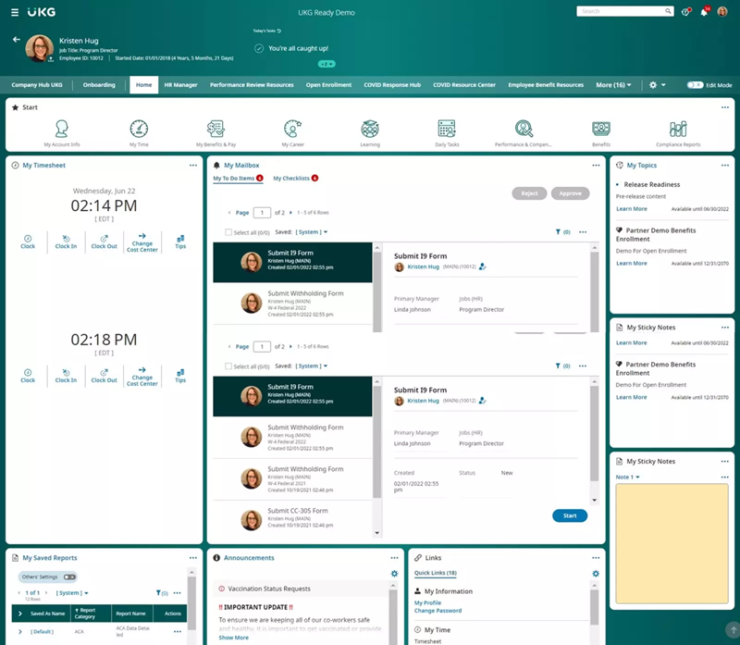
In conclusion, selecting the best software for human resource management requires careful consideration of various factors such as features, automation, security, and customer support. With the right tools in place, organizations can foster a more engaged workforce, enhance productivity, and maintain compliance with evolving regulations. Investing in top-notch HR software ultimately translates to a more streamlined process, making HR professionals well-equipped to face future challenges.
Essential FAQs
What features should I look for in HR software?
Key features include user-friendliness, payroll processing, recruitment tools, performance tracking, and integration capabilities.
How can automation benefit HR processes?
Automation reduces manual work, minimizes errors, and allows HR teams to focus on strategic initiatives rather than repetitive tasks.
What are the common pricing models for HR software?
Pricing models typically include subscription-based options, one-time payments, or tiered pricing based on the number of users and features.
How important is data security in HR software?
Data security is critical, as HR software handles sensitive employee information. Look for features like encryption, regular backups, and compliance with regulations such as GDPR.
How do employee self-service features improve HR software?
Self-service features enable employees to manage their information, such as leave requests and benefits enrollment, reducing the administrative burden on HR staff.