hr management systems for small business sets the stage for a transformative journey that small enterprises can embark upon to enhance their operational efficiency and employee satisfaction. In today’s fast-paced business landscape, having a robust HR management system can make all the difference. These systems are designed to simplify complex HR tasks, allowing small businesses to focus on growth and employee engagement, ultimately leading to a more productive workplace.
By implementing these systems, small businesses not only streamline their operations but also foster a positive work environment where employees feel valued and engaged. With various tools and features tailored to meet the unique needs of smaller organizations, HR management systems have become essential in navigating the modern workforce’s challenges.
Understanding the Importance of HR Management Systems for Small Businesses
HR management systems (HRMS) play a crucial role in the operational efficiency of small businesses. By simplifying various HR functions, these systems allow small business owners to focus on core activities rather than getting bogged down by administrative tasks. In today’s competitive landscape, leveraging technology for HR processes can significantly enhance productivity and foster a more positive workplace culture.Implementing an HR management system can streamline a variety of functions, such as payroll processing, recruitment, employee onboarding, and performance management.
These systems help automate repetitive tasks, which not only saves time but also reduces the likelihood of errors that can occur when tasks are handled manually. Additionally, an effective HRMS can provide valuable insights into workforce analytics, enabling small business owners to make more informed decisions regarding their human resources.
Enhancement of Employee Engagement and Satisfaction
Employee engagement is vital for the success of any organization, and HR management systems can significantly contribute to this aspect. By providing employees with self-service options, HRMS empowers them to manage their own information, thus fostering a sense of ownership and responsibility. When employees feel involved in their workplace processes, their overall satisfaction increases.A few key benefits of using HR management systems for employee engagement include:
- Centralized Communication: HRMS platforms often incorporate communication tools that allow for seamless interaction among team members, fostering a collaborative environment.
- Feedback Mechanisms: Many systems include features for gathering employee feedback, which can help management identify areas for improvement and acknowledge employee contributions effectively.
- Recognition Programs: HRMS can facilitate recognition initiatives, ensuring that employees feel valued for their hard work and dedication, which can boost morale and productivity.
Several small businesses have successfully implemented HR management systems and witnessed remarkable improvements in employee engagement. For instance, a small tech startup adopted an HRMS to streamline its onboarding process. As a result, new hires were able to access training materials and company policies online, significantly reducing the time it took to get them up to speed. This improved not only the onboarding experience but also led to higher retention rates, as employees felt more prepared and supported in their new roles.Another example is a local retail business that introduced an HRMS to manage performance reviews and employee feedback.
By fostering an open dialogue about performance and career advancement, employees felt more connected to the company’s goals and objectives. This initiative led to increased productivity, as employees were more motivated to contribute to the success of the business.Overall, HR management systems provide invaluable tools that not only streamline operations but also enhance employee engagement and satisfaction, which are essential for the growth and success of small businesses.
The Key Features of HR Management Systems Tailored for Small Enterprises
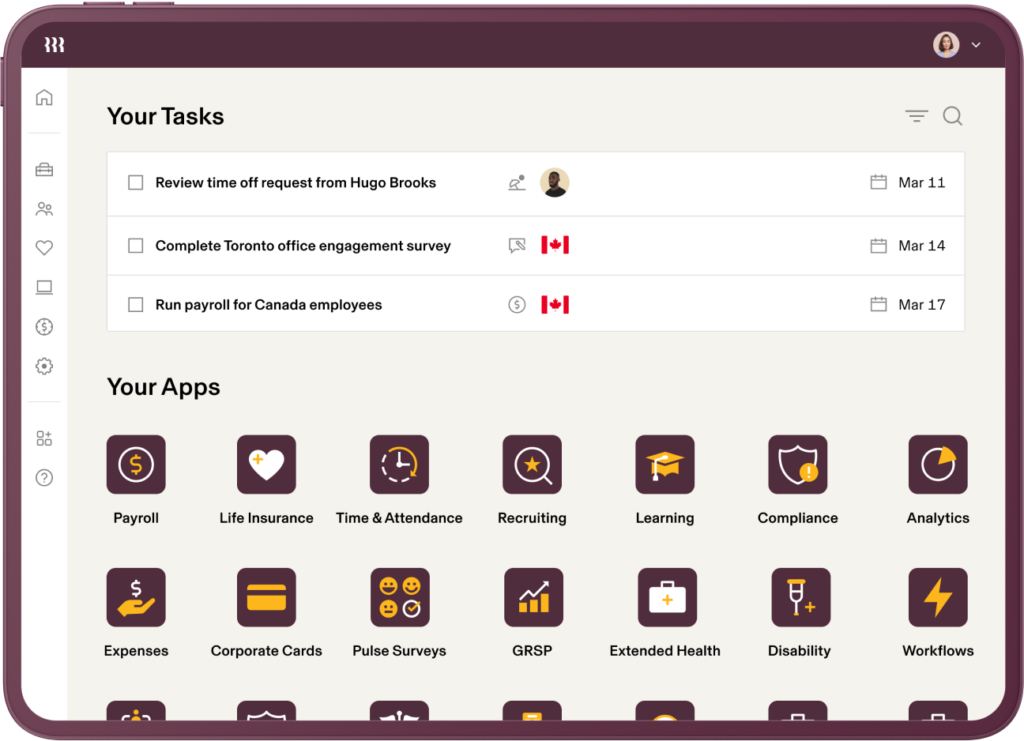
Small businesses often face unique challenges when it comes to human resources management. With limited resources and personnel, having an efficient HR management system can be the difference between success and struggle. The right HR system can streamline processes, enhance compliance, and foster a supportive workplace culture. Therefore, selecting an HR management system with the right features is essential for small enterprises.Understanding the essential features of HR systems can significantly improve operational efficiency and ensure compliance with various regulations.
When evaluating HR management systems, small businesses should focus on features that simplify tasks such as payroll processing, employee data management, recruitment, and performance tracking. These functionalities not only save time but also help in maintaining accurate records and meeting legal obligations.
Essential Features for Small Business HR Management Systems, Hr management systems for small business
Certain functionalities are crucial for small enterprises to effectively manage their HR tasks. The following features are particularly beneficial:
- Employee Self-Service Portal: This enables employees to manage their personal information, such as address changes and benefits enrollment, reducing the administrative burden on HR staff.
- Automated Payroll Processing: Streamlined payroll systems minimize errors and ensure compliance with tax regulations, allowing business owners to focus on core operations.
- Recruitment Management: Tools for posting job openings, tracking applications, and communicating with candidates make the hiring process more efficient.
- Performance Management Tools: Features for setting goals, conducting evaluations, and providing feedback enhance employee development and motivation.
- Compliance Tracking: Automated reminders and documentation help businesses stay updated on labor laws and regulations, reducing the risk of penalties.
- Reporting and Analytics: Insightful reports on turnover rates, employee performance, and recruitment effectiveness provide valuable data for informed decision-making.
The integration of these features can significantly enhance operational efficiency and ensure that small enterprises remain compliant with ever-changing regulations. By automating routine tasks, small businesses can allocate resources to more strategic activities, ultimately contributing to growth and sustainability.
Comparison of Top HR Management Systems
When selecting an HR management system, it’s beneficial to compare various options to find the best fit for your business. Below is a comparison table outlining key features of some of the top HR management systems tailored for small enterprises.
| HR System | Employee Self-Service | Payroll Integration | Recruitment Tools | Performance Management | Compliance Tracking |
|---|---|---|---|---|---|
| Gusto | Yes | Yes | Yes | Basic | Yes |
| Zenefits | Yes | Yes | Yes | Advanced | Yes |
| BambooHR | Yes | Limited | Yes | Advanced | No |
| Paychex | Yes | Yes | Limited | Basic | Yes |
Each of these systems offers different strengths, and small businesses should select a platform that aligns with their specific needs and growth plans. By leveraging the appropriate features, small enterprises can enhance their HR capabilities, ensuring compliance and fostering a productive work environment.
Evaluating the Cost-Benefit Analysis of HR Management Systems
Investing in HR management systems can seem daunting for small businesses, especially when considering the associated costs. However, conducting a thorough cost-benefit analysis can provide clarity and help business owners understand the long-term advantages of such systems. This analysis will not only showcase the potential savings but also highlight the return on investment (ROI) that can be achieved.To effectively evaluate the cost-benefit analysis specific to HR management systems, businesses should begin by identifying both the direct and indirect costs of the investment.
Direct costs typically include software purchase or subscription fees, implementation costs, and training expenses. Indirect costs may encompass the time spent by employees during the transition and potential temporary disruptions in workflow.
Identifying Costs and Benefits
Understanding the various costs and benefits involved is crucial for a comprehensive analysis. Below are key components that should be evaluated:
- Initial Investment: This includes the purchase price of the HR system, installation fees, and any additional costs related to software licenses.
- Training Costs: Expenses associated with training staff to effectively use the new system, including time off for training sessions.
- Operational Efficiency: The most significant benefit often comes from increased efficiency in managing HR tasks, leading to time savings and reduced labor costs.
- Compliance and Risk Management: Improved compliance with labor laws and regulations can significantly reduce the risk of costly penalties.
- Employee Satisfaction: A well-implemented HR system can contribute to higher employee morale and retention, ultimately reducing recruitment costs.
- Data-Driven Decision Making: Access to analytics can enhance strategic decision-making regarding workforce planning and employee development.
By meticulously analyzing these factors, businesses can formulate a clearer picture of potential ROI.
“The formula for ROI can be expressed as: ROI = (Net Profit / Cost of Investment) x 100.”
For instance, a small retail business that invests $5,000 in an HR management system may reduce the time spent on payroll processing from 8 hours a week to just 2 hours. This time saving translates to approximately $300 per week in labor costs, leading to significant savings over time. Additionally, if this retail business can retain even one employee longer due to improved job satisfaction and streamlined HR processes, the long-term financial benefits can far outweigh the initial investment.
Several small businesses have successfully justified their investment in HR systems. One noteworthy example is a local bakery that implemented a cloud-based HR solution. The bakery saw a 30% reduction in HR-related labor costs and improved employee retention rates, which not only saved money but also fostered a more positive work environment. This case illustrates how evaluating the cost-benefit analysis can unveil substantial long-term savings and solidify the argument for investing in an effective HR management system.
Common Challenges Small Businesses Face When Implementing HR Management Systems
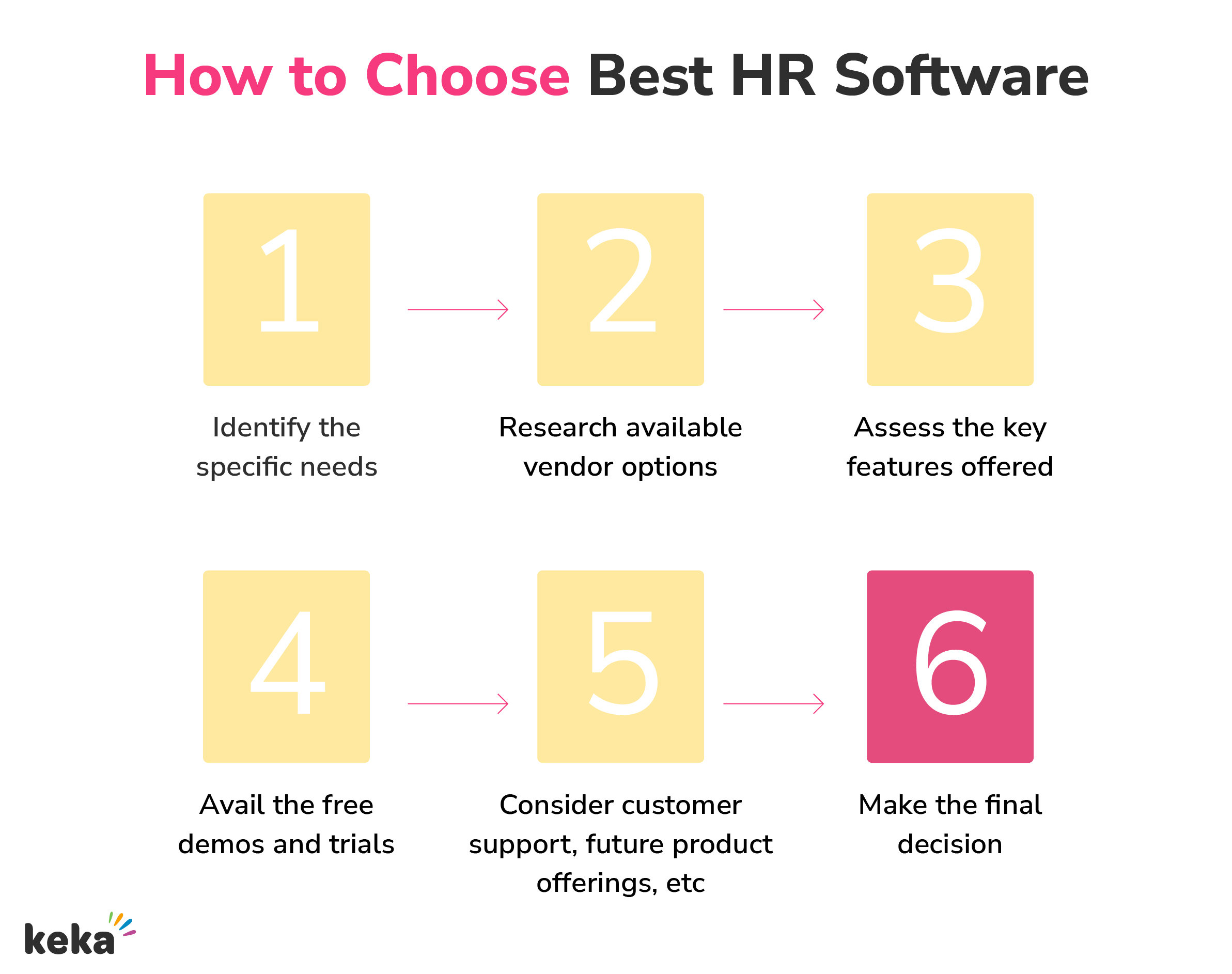
Implementing an HR management system can be a transformative step for small businesses, yet it comes with its share of challenges. These obstacles can stem from a variety of factors, including limited resources, lack of expertise, and resistance to change. Understanding these hurdles is essential for a successful implementation.Small businesses often face typical obstacles such as budget constraints, insufficient training for staff, and integration issues with existing tools.
These challenges can lead to delays and frustration if not managed properly. By recognizing these issues upfront, small businesses can develop strategies to navigate them effectively.
Typical Obstacles Encountered
The implementation of HR management systems can be daunting, and small businesses may encounter several specific obstacles that hinder progress. Understanding these challenges allows businesses to address them proactively. Below are some common issues faced by small enterprises:
- Budget Limitations: Many small businesses operate on tight budgets, making it difficult to allocate sufficient funds for a comprehensive HR system.
- Staff Resistance: Employees may be reluctant to adopt new technology, leading to pushback during the transition phase.
- Lack of Expertise: Small businesses often lack internal HR expertise, making it challenging to implement and manage new systems effectively.
- Integration Issues: Integrating the HR system with existing software and processes can lead to significant complications.
- Data Migration Challenges: Transferring existing employee data into a new system can be time-consuming and prone to errors.
Strategies to Overcome Challenges
To successfully implement an HR management system, small businesses can adopt various strategies that address the challenges identified. These strategies can help streamline the process and foster a more positive transition.
- Set a Realistic Budget: Assess available resources and create a budget that encompasses the total cost of ownership of the HR system, including training and support.
- Engage Employees Early: Involve employees in the selection and implementation process to foster buy-in and reduce resistance to change.
- Provide Comprehensive Training: Invest in training programs that equip staff with the necessary skills to use the new system effectively.
- Choose an Integrative Solution: Select an HR management system known for its ease of integration with existing tools to minimize disruption.
- Plan for Data Migration: Develop a structured plan for migrating data, including validation checks to ensure accuracy post-migration.
Best Practices for a Smooth Transition
Following best practices during the implementation process can significantly enhance the chances of success. These practices ensure that small businesses can navigate challenges with confidence and achieve a seamless transition.
- Develop a Clear Implementation Timeline: Artikel a detailed timeline that includes key milestones and deadlines to keep the project on track.
- Communicate Effectively: Maintain open lines of communication with all stakeholders throughout the implementation process to manage expectations.
- Utilize Support Resources: Take advantage of vendor support and additional resources available to address issues as they arise.
- Conduct Regular Reviews: Schedule regular check-ins to assess progress and make necessary adjustments to the implementation plan.
- Gather Feedback Post-Implementation: Collect feedback from users to identify areas for improvement and ensure that the system meets business needs.
Customization and Scalability of HR Management Systems for Growing Businesses: Hr Management Systems For Small Business

As small businesses evolve, their HR needs become increasingly complex. A robust HR management system (HRMS) is not just a tool for managing employee records but a critical component that can adapt to the unique requirements of a growing enterprise. Customization and scalability are essential features that ensure the HRMS continues to serve its purpose as the business expands.Customization allows businesses to tailor the HRMS to their specific workflows, policies, and culture.
This flexibility is especially important for small enterprises that may have specific requirements that differ from industry standards. For instance, a company with a strong focus on remote work may require features that support virtual onboarding and performance tracking. By customizing the HRMS, businesses can enhance employee engagement and streamline processes in a way that aligns closely with their operational needs.
Importance of Customization
The ability to customize HR management systems cannot be overstated. It allows businesses to incorporate unique features and functionalities that reflect their specific operational realities. Here are some key aspects of customization:
- Adaptation to Business Processes: Customizable HRMS can be configured to fit the existing processes of a business, minimizing disruption and maximizing efficiency during implementation.
- Enhanced User Experience: A tailored interface that aligns with the company’s branding and user preferences can lead to higher employee satisfaction and better adoption rates.
- Specific Reporting Needs: Customized reporting tools can provide insights that are directly relevant to the strategic goals of the business, allowing for data-driven decision-making.
Scalability and Long-Term Usability
Scalability refers to the capacity of the HR management system to grow and adapt as the business expands. An HRMS needs to accommodate increased employee numbers, additional functionalities, and more complex workflows. The following points highlight the significance of scalability:
- Future-Proofing: Scalable systems are designed to grow alongside the business. This means that as hiring ramps up or as new business units are created, the HRMS can handle these changes without needing a complete overhaul.
- Cost-Effective Solutions: Investing in a scalable HRMS can save costs in the long run, as businesses won’t need to switch systems or incur additional expenses for new software as they grow.
- Integration with Other Systems: Scalable HR management systems can seamlessly integrate with other business applications, making it easier to manage all aspects of the business without disruption.
Case Studies Illustrating Successful Scalability
Several small businesses have successfully leveraged scalable HRMS to enhance their operations:
- A tech startup that began with five employees utilized a customizable HRMS that allowed them to develop onboarding programs tailored to their specific needs. As they grew to over 100 employees in less than two years, the system scaled seamlessly to accommodate new hires, implement performance reviews, and manage benefits effectively.
- A retail chain started with a small number of outlets and relied on a basic HRMS. As the number of locations expanded, they migrated to a scalable system that not only improved payroll management but also introduced advanced analytics to track employee performance across various stores, allowing them to optimize staffing and training.
These examples illustrate that choosing the right HR management system with a focus on customization and scalability can significantly impact the overall efficiency and effectiveness of HR functions in growing businesses.
Compliance and Risk Management through HR Management Systems
In today’s business landscape, small enterprises must navigate a complex web of regulations and compliance requirements. HR management systems play a pivotal role in ensuring that small businesses meet these legal expectations while also managing risks associated with human resources practices. This section explores the key compliance issues small businesses must address and how HR management systems can provide essential support in mitigating risks.HR management systems are designed to streamline HR processes, making it easier for small businesses to comply with various labor laws and regulations.
Compliance issues that need to be managed often include employee classification, wage and hour laws, workplace safety standards, and anti-discrimination laws. By integrating compliance features into HR management systems, small businesses can not only avoid potential legal pitfalls but also foster a healthier workplace environment.
Key Compliance Issues for Small Businesses
Small businesses face several compliance challenges that can lead to legal consequences if not properly addressed. Understanding these issues is crucial for utilizing HR management systems effectively. Here are some of the key compliance issues:
- Employee Classification: Misclassifying employees as independent contractors can lead to significant legal penalties.
- Wage and Hour Compliance: Adhering to local, state, and federal minimum wage laws and overtime regulations is essential.
- Workplace Safety: Businesses must comply with Occupational Safety and Health Administration (OSHA) standards to provide a safe work environment.
- Anti-Discrimination Laws: Compliance with laws such as the Equal Employment Opportunity Commission (EEOC) regulations helps prevent workplace discrimination.
- Data Protection: Adhering to data privacy laws like GDPR or HIPAA is critical in managing employee information responsibly.
Mitigating Risks with HR Management Systems
The implementation of HR management systems significantly helps in mitigating various risks associated with HR practices. These systems not only automate compliance processes but also provide real-time insights and reporting capabilities. Some of the ways HR management systems contribute to risk management include:
“Automation of compliance tasks reduces human error and ensures that all necessary regulations are adhered to efficiently.”
- Centralized Documentation: HR systems maintain centralized records of all employee-related documents, ensuring easy access for audits.
- Automated Alerts and Reminders: They provide timely notifications about compliance deadlines, helping businesses to stay on top of their obligations.
- Reporting Capabilities: Advanced reporting features allow businesses to generate compliance reports effortlessly, demonstrating adherence to regulations.
- Training and Development Tracking: HR systems can track employee training, ensuring all staff are educated on compliance-related topics.
- Incident Reporting: Systems often include tools for reporting workplace incidents, which can help in managing workplace safety compliance.
Compliance Features of Various HR Systems
A well-structured HR management system includes a variety of compliance features tailored to meet the needs of small businesses. The following table Artikels some common compliance features found in popular HR management systems:
| HR System | Compliance Feature | Details |
|---|---|---|
| System A | Automated Compliance Checks | Regularly reviews HR practices against local and federal regulations. |
| System B | Document Management | Stores all essential compliance documents in one central location. |
| System C | Employee Training Modules | Offers training on compliance-related topics, helping to educate staff. |
| System D | Audit Trail Features | Maintains a history of all changes in employee status and documentation for audit purposes. |
| System E | Data Security Compliance | Ensures compliance with data protection laws and protects sensitive employee information. |
The Role of HR Management Systems in Remote Work Environments
In today’s evolving work landscape, remote work has become a norm rather than an exception. HR Management Systems (HRMS) play a crucial role in facilitating effective remote work arrangements, ensuring that employees remain engaged and productive, regardless of their physical location. By integrating technology with human resource practices, small businesses can manage their remote workforce efficiently and effectively.HRMS provide a suite of tools designed specifically for remote employee management and engagement, which can significantly streamline HR processes during times of telecommuting.
These systems bridge the gap between in-office and remote employees by providing a centralized platform for communication, tracking performance, and ensuring compliance with company policies. This technology allows businesses to maintain a cohesive work environment, even when teams are physically apart.
Tools and Features for Remote Employee Management
To support remote employee management, HR Management Systems incorporate various tools and features tailored to the unique needs of a distributed workforce. These features foster seamless communication, collaboration, and performance tracking, enabling businesses to maintain productivity levels.Some key tools and features include:
- Employee Self-Service Portals: These portals allow employees to access their personal information, request time off, and update their details without needing HR intervention, promoting autonomy and reducing administrative burdens.
- Real-Time Performance Tracking: Many HRMS offer performance management features that allow managers to set objectives, provide feedback, and conduct performance reviews remotely, ensuring employees stay aligned with company goals.
- Integrated Communication Tools: HRMS often come with built-in messaging and video conferencing capabilities, facilitating easy communication between team members and maintaining the social aspect of work.
- Project Management Integration: Some systems integrate with project management tools, helping teams track progress on tasks and projects, ensuring accountability and transparency.
- Onboarding and Training Modules: Remote onboarding processes can be streamlined through HRMS, providing new hires with the necessary training and resources to succeed from day one.
These features not only enhance operational efficiency but also contribute to a positive employee experience, encouraging engagement and satisfaction even when working remotely.
Strategies for Integration in a Fully Remote Workforce
Successfully integrating HR Management Systems into a fully remote workforce requires careful planning and execution. Several strategies can help ensure a smooth transition and effective utilization of these systems:
1. Assess Company Needs
Understanding the specific requirements of your remote workforce is crucial. Identify pain points and select an HRMS that addresses these challenges effectively.
2. Prioritize User Experience
Choose an HRMS that is user-friendly and intuitive. Engaging employees with a system they find easy to navigate will enhance adoption and satisfaction.
3. Provide Comprehensive Training
Implement a robust training program for employees to familiarize them with the new system. This can include webinars, tutorials, and hands-on sessions to ensure everyone is on the same page.
4. Encourage Feedback
Create channels for employees to provide feedback on the HRMS. This can help identify issues early on and make necessary adjustments, ensuring the system meets the evolving needs of the workforce.
5. Monitor Usage and Effectiveness
Regularly assess how well the HRMS is being utilized. Tracking engagement metrics and employee satisfaction can help identify areas for improvement.
Integrating HRMS in a remote setup is not just about technology; it’s about fostering a culture of collaboration and accountability.
Through the strategic implementation of HR Management Systems, small businesses can create a dynamic and engaging remote work environment that not only supports productivity but also nurtures employee well-being and satisfaction.
Best Practices for Training Employees on HR Management Systems
Training employees on HR management systems is crucial for maximizing the benefits of these tools. With effective training, employees can efficiently navigate and utilize the system, contributing to improved productivity and compliance. Implementing best practices ensures that training is comprehensive, accessible, and adaptable to the needs of the workforce.
Effective Training Strategies for HR Systems
A well-structured training program is essential for fostering employee proficiency in HR management systems. Here are key strategies to consider:
- Hands-On Workshops: Encourage interactive sessions where employees can practice using the HR system in real-time, allowing for immediate application of learned skills.
- Tailored Training Materials: Develop user guides and video tutorials that cater to different learning styles, ensuring all employees have access to resources that suit their needs.
- Mentorship Programs: Pair less experienced employees with seasoned users who can provide guidance and support, creating a collaborative learning environment.
- Regular Refresher Courses: Schedule periodic training sessions to reinforce knowledge and introduce updates, helping employees stay current with system changes.
Assessing Employee Proficiency and Support Needs
To ensure employees fully grasp the HR management system, it is vital to assess their proficiency. Consider these methods for evaluation:
- Pre- and Post-Training Assessments: Conduct tests before and after training sessions to measure knowledge retention and identify areas needing further attention.
- Feedback Surveys: Collect feedback on training sessions to gauge their effectiveness and discover topics that may require additional focus.
- Usage Analytics: Utilize system analytics to track how employees interact with the HR system, identifying users who may need additional support or training.
Checklist for Training Sessions
Creating a comprehensive checklist ensures that training sessions cover all necessary elements. The following checklist can be an effective guide:
- Objectives Defined: Clearly Artikel the goals for each training session.
- System Features Covered: Ensure all relevant features of the HR management system are included in training.
- Training Resources Prepared: Assemble all necessary materials, including presentations, guides, and videos.
- Engagement Activities Planned: Incorporate discussion, Q&A sessions, and hands-on exercises to enhance participation.
- Follow-Up Procedures Established: Plan for post-training follow-ups to address any lingering questions or issues.
Future Trends in HR Management Systems for Small Businesses
As the landscape of human resources continues to evolve, small businesses are increasingly harnessing the power of technology to enhance their HR management practices. Future trends in HR management systems signal a shift towards more intelligent, efficient, and integrated solutions tailored for the unique needs of smaller enterprises. These advancements promise to streamline processes, improve employee engagement, and optimize overall business performance.
The integration of artificial intelligence (AI) and automation is becoming a crucial aspect of HR functions. These technologies not only reduce administrative burdens but also provide valuable insights into employee data. The use of predictive analytics is emerging as a game-changer, enabling HR teams to make informed decisions based on trends and behaviors observed in their workforce.
AI and Automation Reshaping HR Functions
AI and automation are revolutionizing how small businesses manage their human resources. The implementation of these technologies can significantly enhance operational efficiency and improve decision-making processes. Below are key areas where AI and automation are impacting HR functions:
- Recruitment and Talent Acquisition: AI-driven tools can streamline the recruitment process by screening resumes and identifying suitable candidates faster than manual methods. Chatbots can engage with candidates, answering queries and scheduling interviews, thus enhancing the candidate experience.
- Employee Onboarding: Automated onboarding platforms can ensure that new hires complete necessary paperwork, training, and orientation, leading to a smoother transition into the organization.
- Performance Management: AI can track employee performance metrics in real-time, providing managers with actionable insights and facilitating ongoing feedback, which is essential for nurturing talent.
- Employee Engagement: Tools powered by AI can gauge employee sentiment through surveys and analytics, enabling small businesses to proactively address concerns and enhance workplace culture.
The infusion of technology in HR also brings forth the need for continuous learning and adaptation. Small businesses must remain agile and open to integrating these advancements to stay competitive in a rapidly changing market.
“The future of HR is not just about managing people but leveraging technology to create a more engaged and productive workforce.”
With the rise of AI and automation, predictions for the future landscape of HR management systems indicate a more data-driven approach, with a strong emphasis on analytics. Small businesses that embrace these trends will likely see improvements in operational efficiency and employee satisfaction, positioning themselves for sustainable growth in the competitive business environment.
Real-Life Success Stories of Small Businesses Using HR Management Systems
In today’s competitive landscape, small businesses increasingly recognize the value of streamlining their HR processes through technology. This transformation not only enhances operational efficiency but also contributes to employee satisfaction and overall business growth. Here, we explore several inspiring success stories of small enterprises that have effectively implemented HR management systems and the positive changes that followed.The implementation of HR management systems has allowed small businesses to centralize their HR functions, automate processes, and improve communication.
As a result, these businesses have experienced significant improvements in staff engagement, retention, and operational efficiency. Below are real-life examples showcasing the impact of HR systems on small enterprises.
Case Studies of Effective HR Management System Implementation
XYZ Consulting
This small consulting firm faced challenges with manual HR processes that were time-consuming and error-prone. By adopting an HR management system, they automated payroll and employee onboarding. This led to a 50% reduction in administrative workload, allowing HR to focus more on strategic initiatives. Employee satisfaction improved significantly, with annual surveys reflecting a 30% increase in engagement.
ABC Retail
A small retail chain struggled with employee turnover and scheduling conflicts. After implementing an HR system, they utilized self-service tools for scheduling and leave requests. This not only empowered employees but also created a transparent work environment. The result was a 20% decrease in turnover rates, positively impacting sales performance.
Tech Innovations
This tech startup harnessed an HR management system to facilitate remote work. The system enabled seamless communication and performance tracking for employees working from various locations. Post-implementation, the company saw a 40% improvement in project delivery times and a significant increase in team collaboration, contributing to a boost in client satisfaction.
The Green Thumb
A landscaping business used an HR system to manage seasonal hiring and training. The technology provided a streamlined process for recruiting and onboarding new staff. As a result, they filled seasonal positions 30% faster and improved the quality of training, leading to better service delivery and increased customer retention.The successes of these small businesses illustrate the transformative power of HR management systems.
Here are key takeaways from their experiences:
- Efficiency Gains: Automation reduces administrative burdens, allowing HR to engage in strategic planning.
- Employee Empowerment: Self-service tools enhance employee involvement in their HR-related tasks, leading to higher satisfaction.
- Improved Retention: Streamlined processes and better communication foster loyalty and reduce turnover rates.
- Adaptability: HR systems can be tailored to meet the specific needs of businesses, particularly in dynamic environments like remote work.
- Enhanced Collaboration: Cloud-based solutions improve teamwork and project management, particularly for geographically dispersed teams.
Final Conclusion
In summary, adopting hr management systems for small business can significantly impact both operational efficiency and employee morale. By understanding the key features, overcoming implementation challenges, and recognizing future trends, small businesses can position themselves for long-term success. Embracing these systems is not just about keeping up with technology; it’s about creating a sustainable and engaging workplace that thrives in the face of change.
FAQ Resource
What are the benefits of HR management systems for small businesses?
HR management systems streamline processes, enhance employee engagement, and ensure compliance with regulations, ultimately saving time and resources.
How do I choose the right HR management system for my small business?
Look for features that fit your specific needs, consider scalability, and evaluate cost-effectiveness and user-friendliness.
Are HR management systems customizable?
Yes, many HR management systems offer customization options to tailor the functionalities to your unique business requirements.
How can HR management systems improve employee training?
These systems provide tools for training management, tracking employee progress, and evaluating training effectiveness to enhance skill development.
What challenges might I face when implementing an HR management system?
Common challenges include resistance to change, data migration issues, and ensuring that all employees are adequately trained on the new system.